
Pre-Workout vs Energy Drinks: Which Is Actually Better for Athletes?
For serious training, a formulated pre-workout outperforms a standard energy drink, not because energy drinks "don't work," but because most contain a lower, less consistent caffeine dose (often below the 3–6mg/kg range shown to meaningfully delay fatigue) and skip the ingredients, citrulline, beta-alanine, that actually drive strength, endurance, and pump benefits during training. Here's what the research and the market data actually show.
The Quick Difference
-
Pre-workout — formulated specifically for exercise, combining caffeine with ingredients like citrulline malate and beta-alanine that target focus, endurance, strength, and blood flow
-
Energy drinks — formulated for general alertness, typically built around caffeine and sugar for a quick pick-me-up rather than training-specific performance
Both can provide a boost. Only one is actually engineered around what happens to your body during a workout.
What's Really Inside Most Energy Drinks
Popular energy drinks typically contain:
-
Caffeine, commonly in the 80–160mg range
-
High sugar content — often 25–50+ grams per can
-
Taurine and B-vitamins in relatively low doses
This formulation prioritizes taste and shelf appeal over training performance. Sugar can spike insulin and contribute to a mid-session energy crash, and without supporting ingredients like citrulline for blood flow, you miss out on the pump and endurance benefits a real pre-workout is built to deliver.
What the Research Actually Shows
This isn't just brand positioning — there's real data behind it, and it's worth understanding precisely rather than dismissing energy drinks outright.
Dose matters more than category. One placebo-controlled study testing a commercial pre-exercise energy drink found no significant improvement in power, muscular endurance, or sprint speed and the researchers attributed this specifically to the beverage's relatively low caffeine content (about 2.4mg/kg body weight), well under the 3–6mg/kg range shown to be ergogenic. In other words, a caffeinated drink with too little caffeine won't move the needle, regardless of what's on the can.
Side effects are measurably higher with energy drinks in some studies. Research on caffeinated energy drinks in athletes found a caffeinated version increased self-perceived muscle power during exercise compared to a decaffeinated placebo — but also produced meaningfully higher rates of insomnia (31.2% vs. 10.4%) and nervousness (13.2% vs. 0%) compared to the placebo group. The performance boost is real, but so is the side-effect trade-off at typical energy-drink caffeine levels.
Formulated pre-workouts with supporting ingredients show clearer performance gains. Research on basketball players using a pre-workout supplement (200mg caffeine, creatine, beta-alanine, citrulline malate, and BCAAs) found measurable benefits though the same research also flagged that many commercial pre-workout supplements underdose beta-alanine and citrulline well below their effective ranges, meaning not every "pre-workout" on a shelf actually delivers on this promise either.
Bottom line from the research: it's not "pre-workout always wins, energy drinks never work" it's that dose and formulation determine the outcome, and pre-workouts formulated with clinically dosed citrulline and beta-alanine alongside adequate caffeine consistently outperform a standard energy drink built around caffeine and sugar alone.
The Market Is Shifting Toward Convenience, Not Necessarily Performance
It's worth noting: energy drinks are outgrowing the pre-workout category in raw market size. Industry projections put the global pre-workout supplement market near $28 billion by 2030, while the energy drink market is projected to reach roughly $125 billion in the same timeframe.
That gap reflects convenience and lifestyle appeal canned, ready-to-drink, widely available more than it reflects which category actually performs better in the gym. Don't mistake market size for performance evidence.
What's Inside a Formulated Pre-Workout Like SURGE
SURGE Pre-Workout is built specifically around the research above, rather than a general-alertness formula repurposed for the gym:
-
300mg caffeine — lands within the 3–6mg/kg effective range for most adult body weights, well above the 2.4mg/kg dose shown in research to fall short of measurable performance benefit
-
6000mg L-Citrulline Malate — within the 6–8g research range shown to improve muscular endurance and blood flow
-
4000mg Beta-Alanine — within the 3.2–6.4g range shown to delay fatigue, notably above the roughly 2g average found in many commercial pre-workouts
-
Acetyl L-Carnitine and Alpha GPC — added for fat metabolism support and mind-muscle focus
Energy Drinks: Pros and Cons
Pros:
-
Cheap, widely available, ready to drink with no mixing required
-
Provides a genuine quick caffeine-driven alertness boost
Cons:
-
Caffeine dose often falls below the range shown to meaningfully improve strength or endurance performance
-
High sugar content can cause a mid-session energy crash
-
Lacks citrulline, beta-alanine, and other training-specific ergogenic ingredients
-
Some research shows meaningfully higher rates of side effects like insomnia and nervousness at typical energy-drink caffeine levels
Formulated Pre-Workout: Pros and Cons
Pros:
-
Designed specifically around training performance, not general alertness
-
Clinically dosed formulas deliver measurable endurance, strength, and pump benefits
-
Sustained energy without the sugar-driven crash
-
Supports recovery and focus alongside raw energy
Cons:
-
Takes 20–30 minutes to kick in, versus grab-and-go convenience
-
Quality varies significantly between brands — always check actual ingredient doses, not just the label's front-facing claims
-
Generally costs more per serving than a canned energy drink
Which Should You Choose?
If you just need to stay alert during the day, an energy drink is a reasonable, low-cost option. But if your goal is measurable training performance — stronger lifts, more reps before fatigue, real pumps — the research consistently favors a formulated pre-workout with clinically dosed caffeine, citrulline, and beta-alanine over a standard energy drink built around caffeine and sugar.
Build Your Complete Performance Stack
Pair SURGE with the rest of a training-day routine:
-
Elevate BCAA/EAA Plus — intra-workout amino support
-
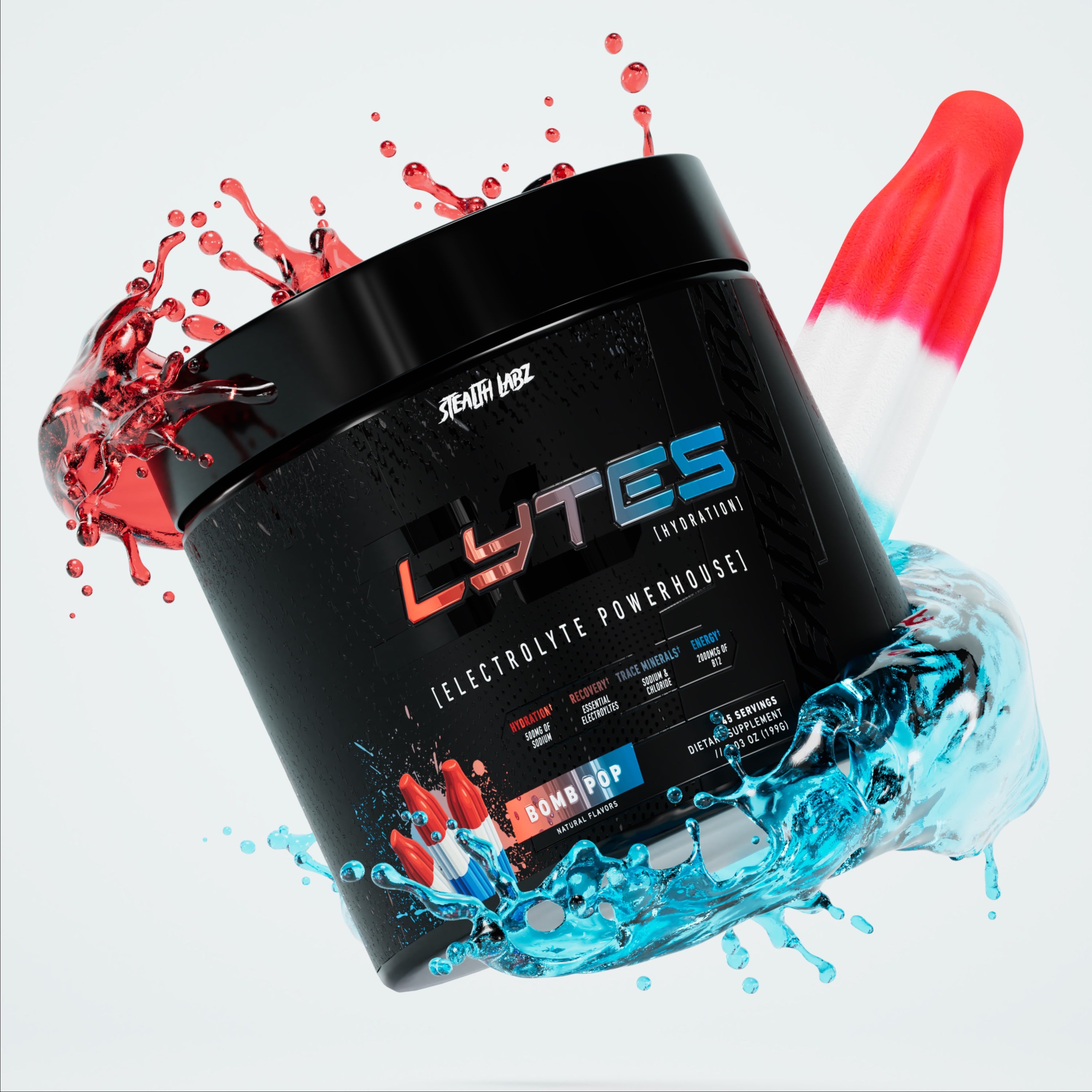
Lytes — electrolyte balance during training
-
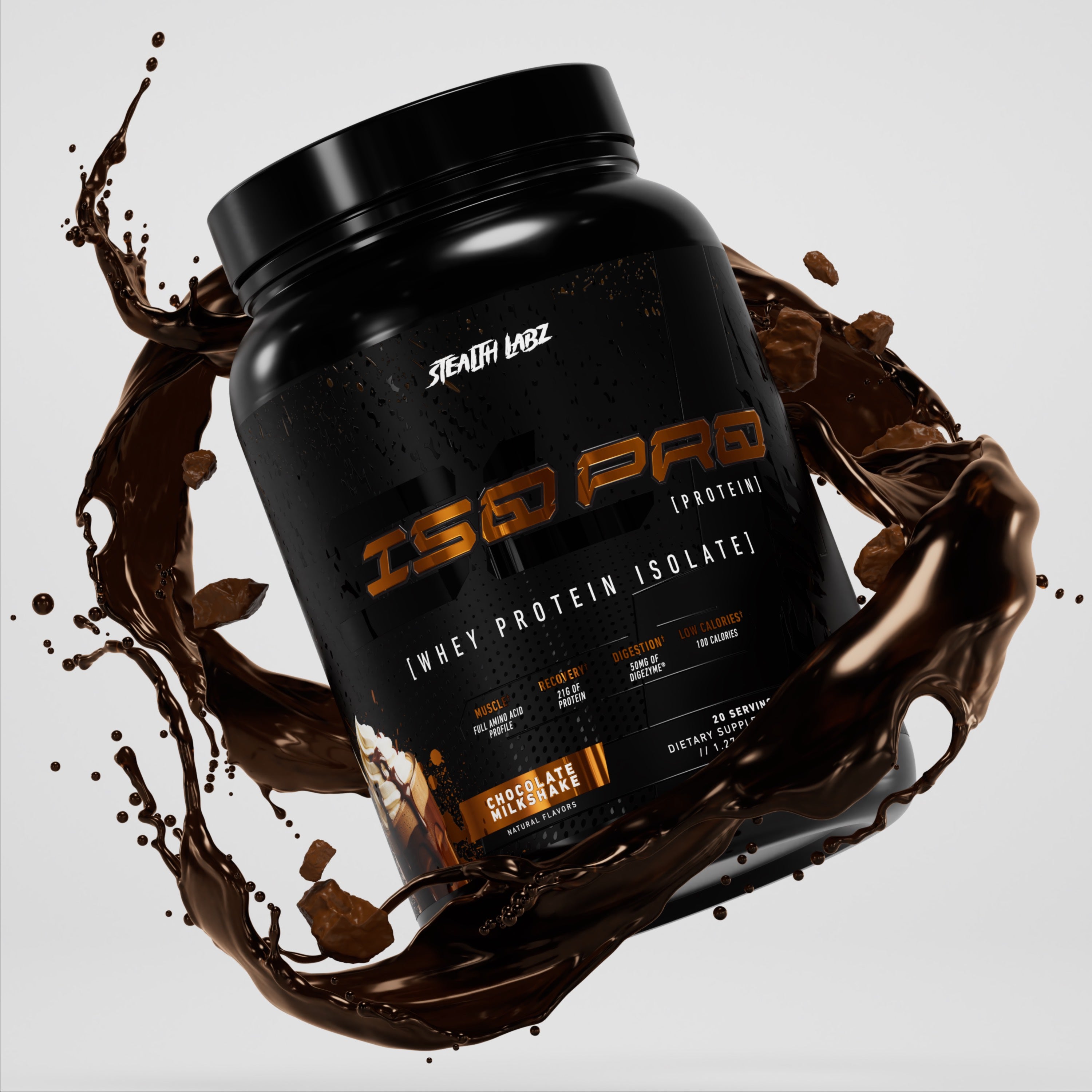
Iso Pro — post-workout recovery protein
-
Alpha Extreme — testosterone support
-
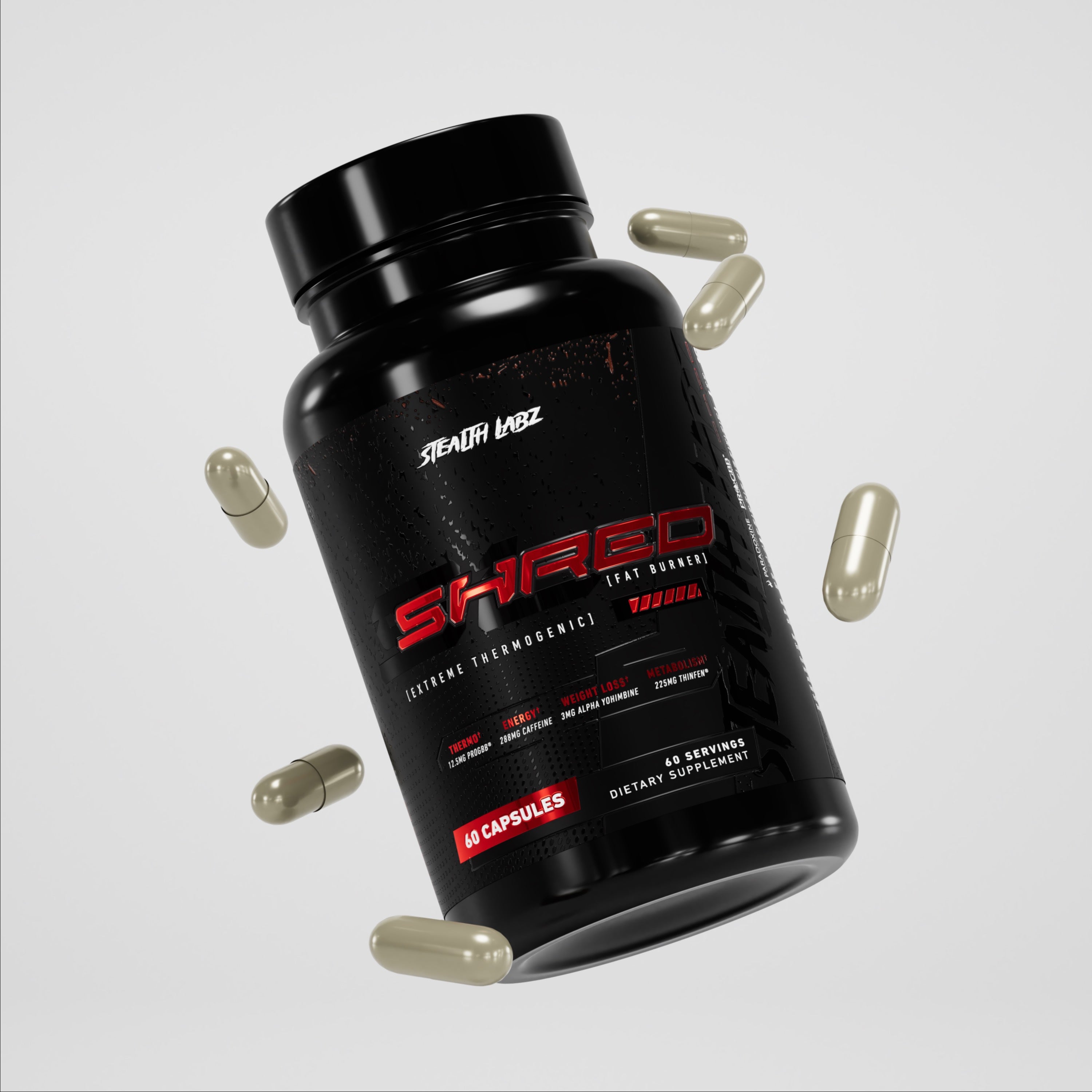
Shred Fat Burner Thermogenic — added fat-loss support
Related Guides:
FAQs: Pre-Workout vs Energy Drinks
Can I use an energy drink as a pre-workout?
You can, but research suggests most energy drinks deliver a lower caffeine dose than the 3–6mg/kg range shown to meaningfully improve performance, and they typically lack ergogenic ingredients like citrulline and beta-alanine found in formulated pre-workouts.
Which has more caffeine, pre-workout or energy drinks?
It varies by brand, but many formulated pre-workouts like SURGE deliver a caffeine dose specifically calibrated to the clinically effective 3–6mg/kg range, while energy drinks commonly land in the 80–160mg range regardless of body weight — which may be under- or over-dosed depending on the person.
Are pre-workouts safe for daily use?
Yes, when using a quality product at labeled doses and cycling every 8–12 weeks to manage tolerance. The same caution around stimulant sensitivity applies to energy drinks, which research shows carry measurably higher rates of side effects like insomnia at typical caffeine doses.
What's actually better for building muscle — pre-workout or energy drinks?
Formulated pre-workouts, since they combine an effective caffeine dose with ingredients like citrulline and beta-alanine shown to support training volume and endurance — which drives more effective training sessions and, over time, better muscle growth when paired with proper nutrition.
Do all pre-workouts actually deliver clinically effective doses?
No — research analyzing commercial formulas found many significantly underdose key ingredients like beta-alanine and citrulline. Always check the actual gram amounts on the supplement facts panel rather than assuming "pre-workout" on the label guarantees an effective dose.
Why do energy drinks sometimes cause jitters or crashes that pre-workouts don't?
This often comes down to sugar content and caffeine-to-body-weight ratio. High sugar can cause an insulin spike and rebound crash, while an underdosed or overly high caffeine amount relative to body weight (without supporting ingredients) can contribute to jitteriness without a corresponding performance benefit.
Bottom Line
Pre-workout and energy drinks aren't interchangeable, even though they're often reached for in the same moment. The research points clearly toward dose and formulation as the deciding factor — a properly dosed pre-workout with effective caffeine, citrulline, and beta-alanine levels consistently outperforms a standard energy drink for actual training results, even though energy drinks win on convenience and market size.
Ready to train with a formula built around research-backed doses instead of just a caffeine buzz? Buy SURGE Pre-Workout now.



Leave a comment
This site is protected by hCaptcha and the hCaptcha Privacy Policy and Terms of Service apply.