
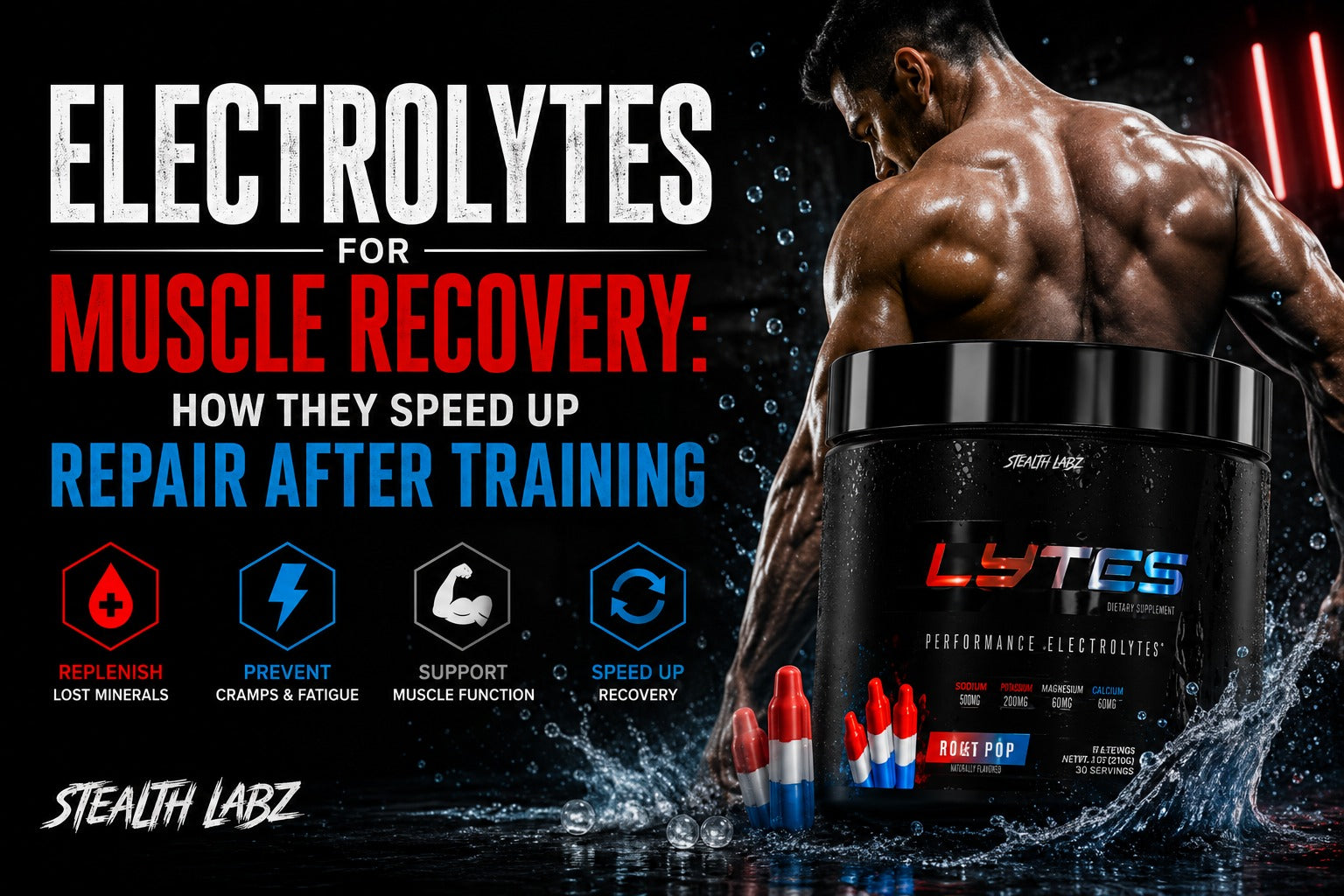
Do Electrolytes Help Muscle Recovery? Honest Guide
Most people think muscle recovery is only about protein, sleep, and training volume. Those matter, but hydration is the quiet recovery lever many lifters ignore. So, do electrolytes help muscle recovery? Yes, they can help, especially when hard training, heat, sweat loss, cramps, poor hydration, or repeated gym sessions are part of the problem.
The issue is that many gym-goers confuse “drinking water” with being fully hydrated. You can drink plenty of water and still feel flat, crampy, weak, or slow to recover if your fluid balance is off. Electrolytes such as sodium, potassium, magnesium, calcium, and chloride help regulate muscle contraction, nerve signaling, and fluid balance.
In this guide, you’ll learn how electrolytes support recovery, when they matter most, what they do not fix, and how to use them around training without overcomplicating your routine.
Why hydration and muscle recovery are connected
Muscle recovery is not only what happens after the workout. It starts during training. Every hard set produces heat, sweat, and fluid loss. When sweat loss climbs, your body loses water and electrolytes together. That matters because muscles rely on proper fluid balance to contract, relax, and perform normally.
For bodybuilders and gym athletes, this becomes more important during high-volume leg days, long sessions, cutting phases, outdoor training, sauna use, or summer workouts. A lifter may blame poor recovery on not eating enough protein, but the real issue could be that they trained hard, sweated heavily, and replaced only water.
Here is a simple example. Someone trains legs for 90 minutes, drinks plain water, skips sodium because they think salt is “bad,” then wakes up with tight calves, low energy, and weaker performance the next day. The problem is not always muscle damage alone. It may also be poor rehydration.
Electrolytes are not magic recovery powder. They do not rebuild muscle like protein or replace sleep. But they help create the internal environment your body needs to recover properly. Better hydration can support blood flow, nutrient delivery, temperature control, and normal muscle function.
The goal is not to chase random mineral megadoses. The goal is to replace what training and sweat take away.
To understand more options, read our guide on the best hydration supplements for gym performance and daily recovery.
Why electrolytes bodybuilding routines often fail
Electrolytes bodybuilding advice is usually too simple. Some people say you only need water. Others say you need electrolytes all day. The truth is in the middle. Your need depends on sweat rate, session length, climate, diet, sodium intake, caffeine use, and training intensity.
Sweat loss changes your recovery needs
Sweat is not just water. It contains sodium and smaller amounts of other electrolytes. Sodium is especially important because it helps the body retain fluid. If you sweat heavily and replace only water, you may dilute sodium levels and still feel poorly hydrated.
This is why two people can follow the same workout and recover differently. One person trains in an air-conditioned gym for 45 minutes and barely sweats. Another trains for 90 minutes, uses a hoodie, drinks pre-workout, and sweats heavily. Their electrolyte needs are not the same.
Muscle contraction depends on electrical signaling
Electrolytes carry electrical charges in the body. These charges help nerves send signals and muscles contract. Sodium and potassium are involved in nerve impulses. Calcium plays a role in contraction. Magnesium supports relaxation and energy metabolism.
When electrolyte balance is poor, muscles may feel tight, heavy, or more prone to cramping. This does not mean every cramp is caused by low electrolytes. Fatigue, training load, poor conditioning, and heat can also contribute. But hydration and electrolyte status are part of the recovery picture.
Low-carb or cutting diets can increase the issue
Bodybuilders cutting for fat loss often reduce carbs. Lower-carb diets can reduce water storage because glycogen binds water. As glycogen drops, some people lose more water and sodium. That can make workouts feel flatter and recovery feel slower.
This is why electrolytes can be especially useful during cutting phases, high-sweat sessions, or aggressive fat-loss blocks.
For deeper detail, see how electrolyte balance and workout performance are connected during hard training sessions.
Do electrolytes help muscle recovery after hard training?
Yes, electrolytes help muscle recovery when dehydration or electrolyte loss is limiting performance, comfort, or fluid balance. They work best as part of a complete recovery plan that includes protein, carbs, sleep, smart training volume, and consistent hydration.
Use electrolytes before training when sweat loss will be high
If you train in heat, do long sessions, or sweat heavily, taking electrolytes before training can help you start hydrated. This is especially useful for leg days, conditioning sessions, outdoor workouts, and high-volume bodybuilding workouts.
A practical approach is to drink fluids with electrolytes before training instead of waiting until you already feel depleted. Thirst usually appears after fluid loss has already started.
Use electrolytes during training for longer sessions
For sessions under 45 minutes with low sweat loss, water may be enough. For intense sessions over 60 minutes, especially in heat, electrolytes can help maintain fluid balance.
The American College of Sports Medicine notes that adding appropriate carbohydrates and electrolytes to fluid replacement can be useful for exercise lasting longer than one hour. That does not mean every workout needs a sports drink, but it does mean longer, sweat-heavy training deserves a better hydration strategy.
Use electrolytes after training to rehydrate better
Post-workout recovery is not only about a protein shake. If you lost a lot of sweat, you also need to restore fluid balance. Electrolytes, especially sodium, can help your body retain the water you drink instead of simply passing it through quickly.
This can support better recovery comfort, especially if you often feel drained, lightheaded, crampy, or unusually sore after sweaty workouts.
Pair electrolytes with protein and carbs
Electrolytes support hydration, but muscle tissue still needs amino acids and energy. For most lifters, a strong recovery stack includes protein, enough carbs for training demands, electrolytes when needed, and sleep.
Think of electrolytes as the support system. They help the body use the recovery tools more effectively.
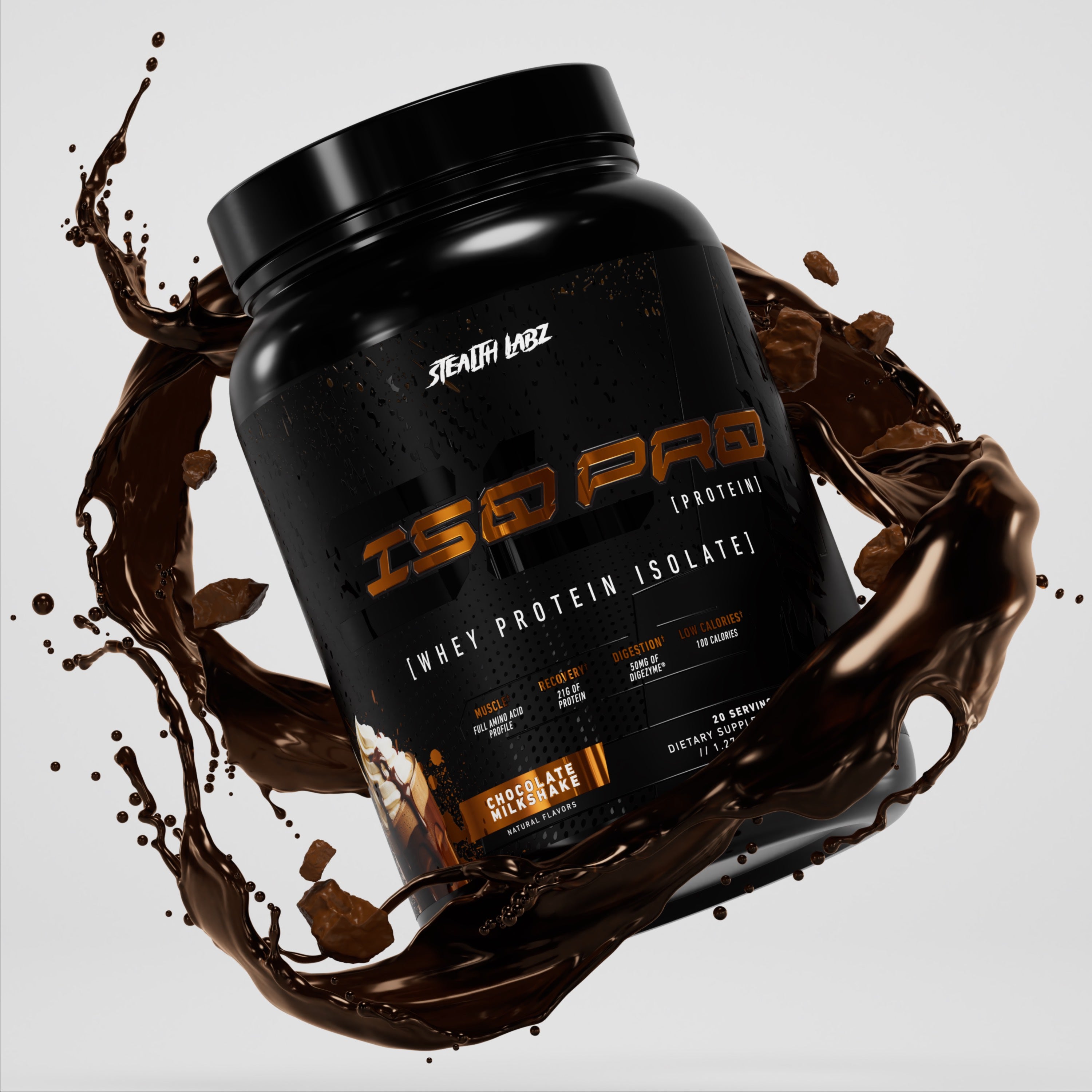
Pairing hydration with ISO PRO Whey Protein Isolate can support post-workout recovery and muscle repair.
What most articles miss about lytes for gym recovery
Most articles answer the basic question: “Are electrolytes good?” But they miss the real-world gym context. The key is not whether electrolytes are good. The key is whether your training creates a need for them.
A casual gym session may not require extra electrolytes. But a serious lifter training five days per week, using pre-workout, sweating heavily, walking more during a cut, and pushing high-volume sessions has a different recovery demand.
Here is a mini case study. A lifter is in a fat-loss phase. Calories are lower, carbs are reduced, caffeine intake is higher, and training volume stays high. After two weeks, they report weaker pumps, more headaches, more cramps, and poor energy. Adding electrolytes will not fix poor programming or too few calories, but it may help restore hydration and training quality if sweat and sodium loss are part of the issue.
Another missed point is that sodium is not the enemy for active people. Many athletes lose sodium through sweat. For healthy active adults, sodium needs can increase with heavy sweating. This does not mean unlimited salt is smart. It means blanket “low sodium” advice does not fit every athlete.
The best approach is personal. If you barely sweat and eat a normal diet, you may not need much extra. If you sweat through shirts, train in heat, or feel flat during workouts, electrolytes may be a simple recovery upgrade.
Common electrolyte mistakes that slow recovery
Mistake: Drinking only plain water after heavy sweating
Why it happens: People think more water always equals better hydration.
What it costs you: You may still feel depleted because you replaced fluid without replacing key electrolytes.
Mistake: Using electrolytes but ignoring protein
Why it happens: Recovery products are often treated like one-step solutions.
What it costs you: Hydration may improve, but muscle repair still suffers without enough amino acids.
Mistake: Waiting until cramps start
Why it happens: Many people only think about electrolytes after something feels wrong.
What it costs you: By the time cramps or fatigue appear, your session quality may already be reduced.
Mistake: Taking random high-dose minerals
Why it happens: More feels better when recovery is poor.
What it costs you: Too much of certain electrolytes can cause digestive issues or be risky for people with medical conditions.
Mistake: Using the same hydration plan year-round
Why it happens: Most lifters repeat routines without adjusting for heat, sweat, or training blocks.
What it costs you: A plan that works in winter may fail during summer or during harder training phases.
Frequently Asked Questions
Do electrolytes help muscle recovery?
Yes, electrolytes can help muscle recovery when dehydration, sweat loss, or electrolyte imbalance is part of the problem. They support fluid balance, nerve signaling, and normal muscle contraction. They do not replace protein, carbs, sleep, or smart training. They work best as part of a complete recovery routine.
Are electrolytes good for bodybuilding?
Yes, electrolytes can be useful for bodybuilding, especially during long workouts, high-volume training, hot weather, or cutting phases. Bodybuilders often sweat heavily and may lose sodium and fluids during training. Electrolytes can help support hydration and muscle function. They are most useful when matched to training intensity and sweat loss.
What electrolytes help muscles recover?
The main electrolytes involved in muscle function include sodium, potassium, magnesium, calcium, and chloride. Sodium helps with fluid balance and water retention. Potassium and sodium support nerve signaling. Magnesium and calcium are involved in contraction, relaxation, and normal muscle function.
Should I take electrolytes before or after gym?
You can take electrolytes before, during, or after the gym depending on your needs. Before training helps you start hydrated. During training helps if the session is long or sweaty. After training helps replace fluid and electrolytes lost through sweat.
Do electrolytes help sore muscles?
Electrolytes may help if soreness is connected with dehydration, cramping, or poor fluid balance. They do not directly repair muscle damage the way protein and recovery time do. If soreness comes from hard eccentric training or too much volume, electrolytes alone will not fix it. But better hydration can support overall recovery.
Are lytes for gym better than plain water?
Lytes for gym training may be better than plain water when workouts are long, intense, or sweat-heavy. Plain water is enough for many short or low-sweat sessions. Electrolytes become more useful when you need better fluid retention and mineral replacement. The right choice depends on your training and sweat rate.
Conclusion
Electrolytes are not the star of muscle recovery, but they are part of the system that lets recovery happen well. Protein rebuilds. Sleep restores. Training creates the signal. Electrolytes help keep the body hydrated enough for muscles, nerves, blood flow, and performance to work together. That is why the answer to do electrolytes help muscle recovery is yes, but with context.
Your next step is simple. Look at your training honestly. If you train hard, sweat heavily, feel flat, cramp often, or struggle during long sessions, add electrolytes around your workouts and track how your body responds.
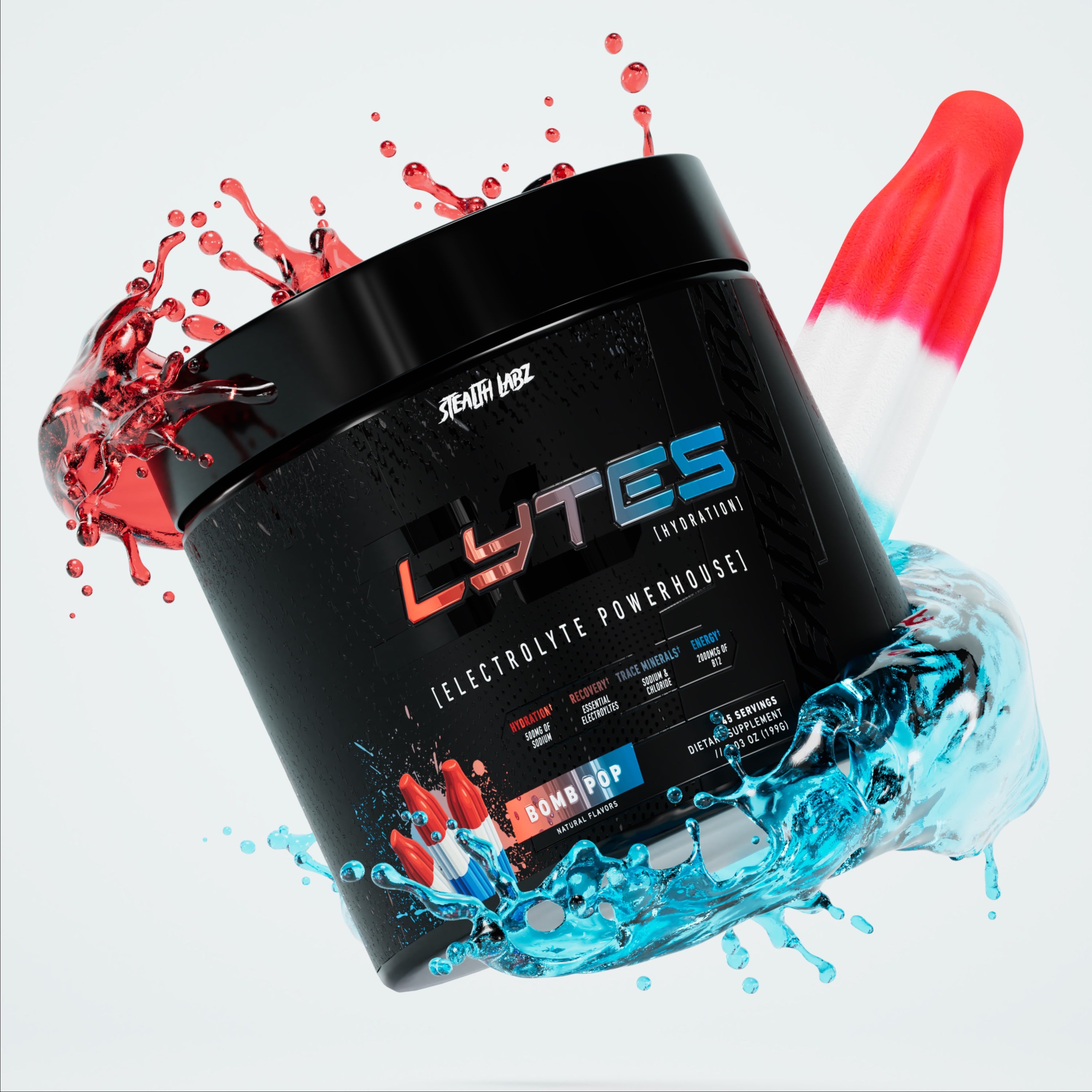
Ready to improve workout hydration? Shop Lytes for gym hydration and recovery support.

Leave a comment
This site is protected by hCaptcha and the hCaptcha Privacy Policy and Terms of Service apply.