
Electrolytes for Faster Muscle Recovery After Training
Post-workout recovery involves more than simply resting. Hard training can increase fluid and electrolyte losses through sweat while also creating greater demand for protein, carbohydrates and overall recovery.
Electrolytes such as sodium, potassium, magnesium and calcium support normal fluid balance, muscle contraction and nerve function. Replacing them can be particularly useful after long, intense or high-sweat training sessions.
In this guide, we explain how electrolytes support muscle recovery, which minerals matter most, when to use them, and how they fit alongside protein and proper nutrition.
What Happens During Muscle Recovery?
Resistance training places stress on muscle tissue and uses stored energy. During recovery, the body repairs muscle proteins, restores glycogen, rebalances fluids and prepares the nervous system for the next training session.
Three important parts of recovery are:
-
Adequate protein for muscle repair
-
Carbohydrates to help restore glycogen
-
Fluids and electrolytes to support hydration and normal muscle function
Electrolytes do not build muscle directly, but maintaining proper hydration and mineral balance helps create the conditions needed for consistent training and recovery.
Are Electrolytes Good for Muscle Recovery?
Yes, electrolytes can support recovery because they help regulate hydration, nerve signaling and normal muscle function.
Four key electrolytes are particularly relevant for active people:
|
Electrolyte |
Main Role |
|
Sodium |
Supports fluid balance and nerve signaling |
|
Potassium |
Supports normal muscle and nerve function |
|
Magnesium |
Contributes to normal muscle function and energy metabolism |
|
Calcium |
Plays an important role in muscle contraction |
How much replacement you need depends on training duration, temperature, sweat rate, diet and individual fluid losses.
For a broader comparison of hydration options, read our guide to the best hydration supplements.
Who Benefits Most From Extra Electrolytes?
Not every workout requires an electrolyte supplement.
Additional electrolyte replacement can be more useful when you:
-
Train for long periods
-
Sweat heavily
-
Exercise in hot or humid conditions
-
Complete multiple sessions in a day
-
Notice substantial fluid loss during training
-
Need to restore fluids after endurance or high-intensity sessions
For shorter or lower-intensity workouts, normal meals and water may already provide enough fluids and minerals.
This distinction keeps electrolyte supplementation practical rather than treating it as essential after every workout.
Four Ways Electrolytes Support Post-Workout Recovery
1. Supporting rehydration
Sodium and other electrolytes help maintain fluid balance, especially when training produces significant sweat losses.
2. Supporting normal muscle function
Potassium, magnesium, calcium and sodium all contribute to processes involved in muscle contraction and nerve signaling.
3. Supporting energy metabolism
Magnesium participates in many cellular processes involved in energy production, making adequate intake important for active adults.
4. Replacing minerals lost through sweat
Hard or prolonged training can increase electrolyte losses. Replacing fluids and minerals together may provide more complete rehydration than water alone after substantial sweating.
Electrolytes support recovery but they work alongside, not instead of, protein, carbohydrates, sleep and adequate calories.
Electrolytes vs Protein: Why Recovery May Need Both
Protein and electrolytes serve different roles after training.
Protein provides amino acids used in muscle protein repair and adaptation. Electrolytes primarily support hydration, fluid balance, nerve signaling and normal muscle function.
After a high-sweat resistance workout, combining adequate protein with fluids and electrolyte replacement can therefore address different parts of the recovery process.
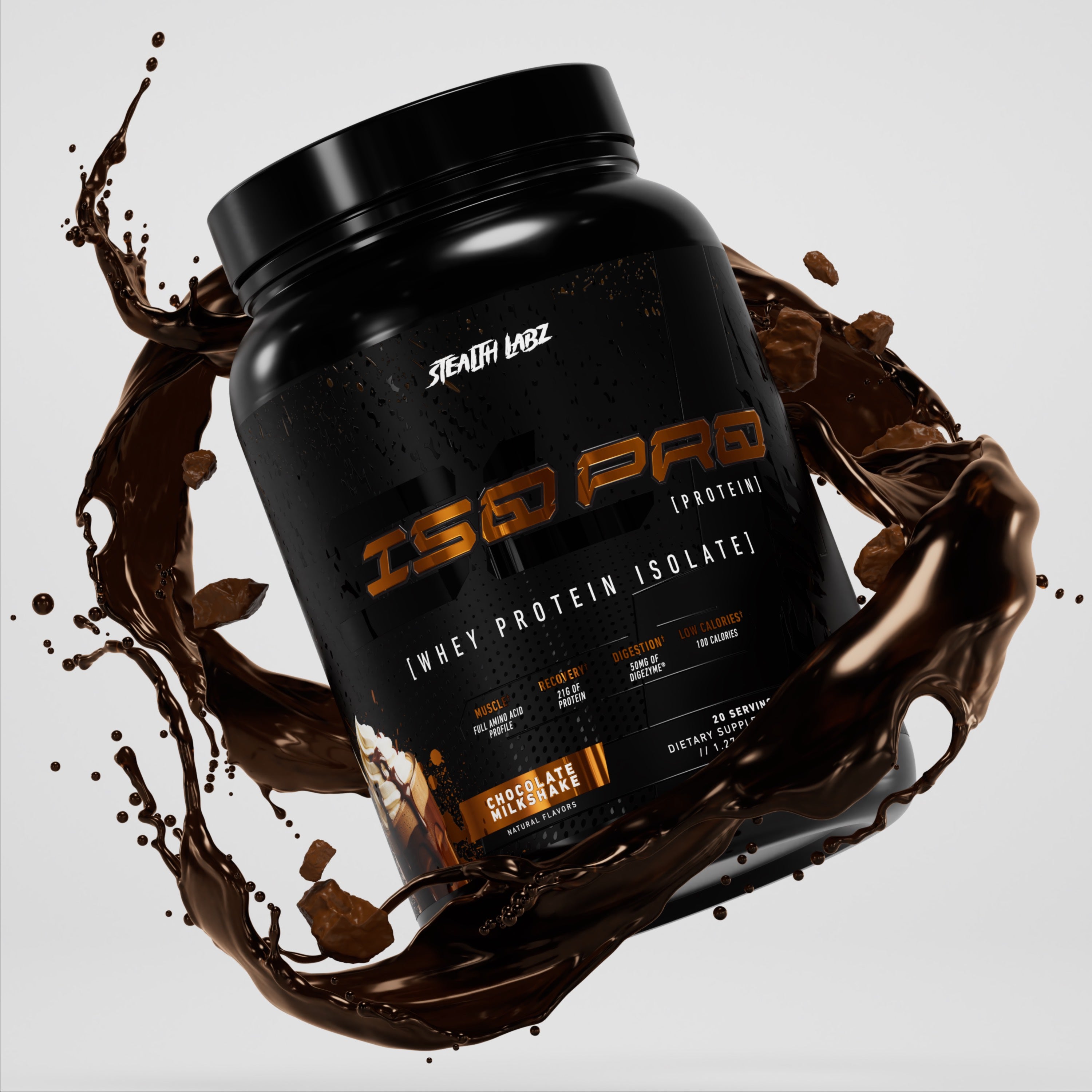
For athletes focused on protein intake after training, ISO PRO Whey Protein Isolate provides a convenient protein option that can be used alongside an appropriate hydration strategy.
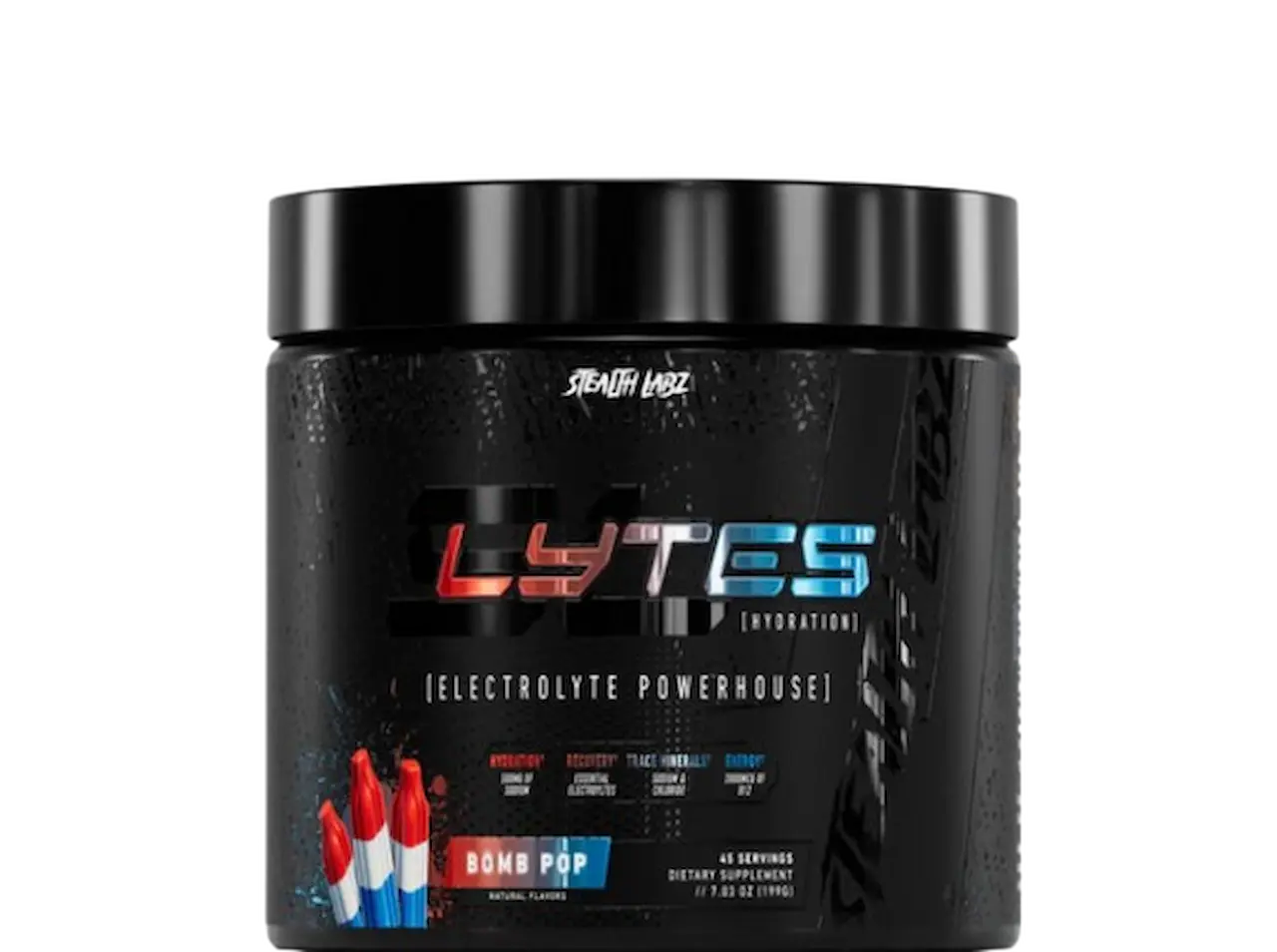
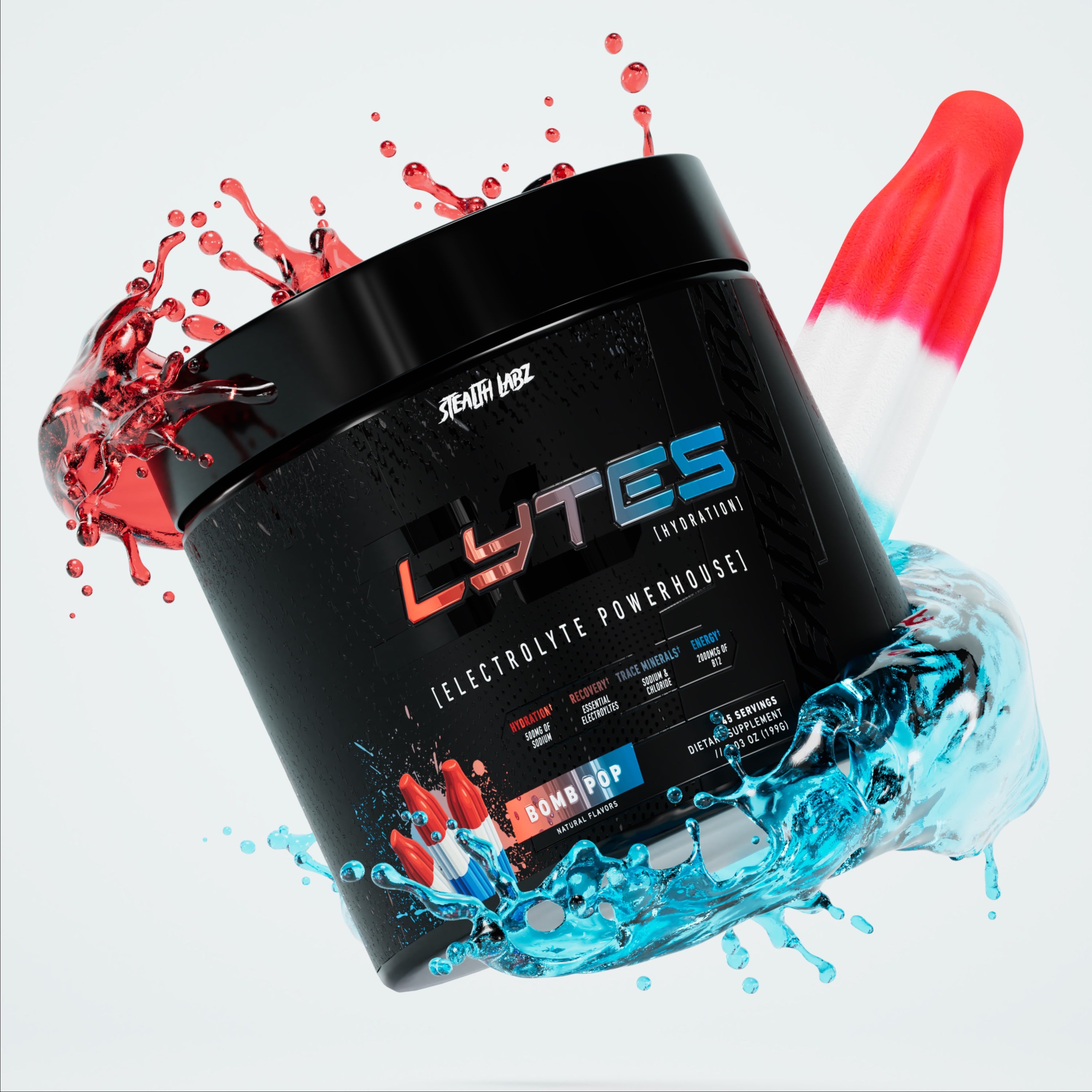
What's Inside LYTES Electrolyte Formula?
LYTES is designed around four key electrolytes commonly lost or used during physical activity:
|
Electrolyte |
Role |
|
Sodium |
Supports fluid balance and nerve signaling |
|
Potassium |
Supports normal muscle and nerve function |
|
Magnesium Citrate |
Contributes to normal muscle function and energy metabolism |
|
Calcium |
Supports muscle contraction and neuromuscular function |
The formula is positioned as sugar-free and vegan-friendly, making it suitable for athletes who want electrolyte support without relying on a traditional sugary sports drink.
See the current ingredient amounts and Supplement Facts on the LYTES electrolyte formula page.
What Results Can You Expect From Better Hydration?
The effects of electrolyte replacement depend heavily on whether you were losing significant fluids and minerals in the first place.
Someone who trains in hot conditions or sweats heavily may notice a greater difference than someone completing a short, low-sweat workout.
Instead of expecting a fixed 1–4 week timeline, monitor practical indicators such as:
-
Thirst and hydration
-
Body-weight changes around training
-
Training performance
-
Perceived fatigue
-
Recovery between sessions
-
Cramping or other symptoms associated with heavy sweat loss
Electrolytes can support recovery when replacement is needed, but they should not be presented as a guaranteed treatment for soreness, fatigue or poor sleep.
What Does Research Say About Electrolytes and Exercise Recovery?
Sports hydration research supports replacing fluids and electrolytes when exercise causes meaningful sweat losses, particularly during prolonged activity or training in hot conditions.
Electrolytes are important for normal fluid balance, nerve signaling and muscle function. However, they should not be described as a standalone solution for muscle repair.
Muscle recovery still depends on multiple factors, including:
-
Total protein intake
-
Carbohydrate availability
-
Hydration
-
Sleep
-
Training load
-
Overall calorie intake
The most accurate approach is therefore to treat electrolytes as one part of a complete recovery strategy.
When Should You Take Electrolytes for Recovery?
Timing should depend on the workout and your hydration needs.
Before training:
Begin exercise well hydrated rather than trying to correct a fluid deficit during the workout.
During training:
Electrolytes may be useful during longer sessions, heavy sweating or training in hot conditions.
After training:
Replacing fluids and electrolytes can help restore what was lost through sweat. Pair recovery nutrition with adequate protein and carbohydrates.
Protein does not need to be consumed within an extremely narrow 30-minute window. Total daily protein intake and consistent distribution across meals are also important.
For more on protein timing, see our guide on when to drink protein shakes for muscle gain.
Five Habits That Support Better Muscle Recovery
1. Stay consistently hydrated
Start workouts well hydrated and replace significant fluid losses afterward.
2. Prioritize sleep
Adequate sleep supports physical recovery, training readiness and overall health.
3. Eat enough protein
Distribute quality protein sources across the day to support muscle repair.
4. Restore energy after hard training
Carbohydrates can help replenish glycogen used during demanding workouts.
5. Replace electrolytes when sweat losses are high
Athletes who sweat heavily or train for extended periods may need more deliberate electrolyte replacement.
Supplements work best when these recovery fundamentals are already in place.
Why Consider LYTES for Workout Hydration?
LYTES is designed specifically around electrolyte replacement for active users rather than positioning itself as a standard sugary sports drink.
Key features include:
-
Sodium, potassium, magnesium and calcium
-
Magnesium citrate
-
Sugar-free formulation
-
Vegan-friendly positioning
-
Designed for training and hydration support
-
Easy to combine with a broader nutrition and recovery routine
The strongest message should be formula transparency and practical hydration support, rather than claiming guaranteed faster recovery or superiority over every competing sports drink.
Frequently Asked Questions
Are electrolytes good for muscle recovery?
Electrolytes support hydration, nerve signaling and normal muscle function. They can be particularly useful after workouts that cause substantial sweat and fluid loss.
Do electrolytes reduce muscle soreness?
Electrolytes are not a direct treatment for delayed-onset muscle soreness. Proper hydration may support overall recovery, but soreness is influenced by training load, sleep, nutrition and previous training experience.
Do I need electrolytes after every workout?
Not necessarily. Short, low-sweat workouts may not require additional electrolyte supplementation. Longer sessions, hot conditions and heavy sweating increase the potential need.
Is water enough after exercise?
Water may be enough after lighter training. After significant sweating, replacing both fluids and electrolytes can provide more complete rehydration.
Do electrolytes build muscle?
No. Electrolytes do not directly build muscle. They support hydration and normal muscle function, while adequate protein, calories and resistance training drive muscle adaptation.
Should I take electrolytes before, during or after training?
They can be used at different times depending on your needs. During and after longer or high-sweat workouts are common situations where electrolyte replacement can be useful.
Do I still need protein?
Yes. Protein and electrolytes perform different functions. Protein provides amino acids for muscle repair, while electrolytes primarily support hydration and normal cellular and muscle function.
Can electrolytes help workout fatigue?
They may help when fatigue is related to dehydration or substantial electrolyte losses, but workout fatigue can have many other causes.
Can I take electrolytes every day?
Daily needs depend on diet, activity level, sweat losses and individual health considerations. Follow product directions and consider professional guidance if you have medical conditions affecting fluid or electrolyte balance.
What makes LYTES different from a regular sports drink?
LYTES focuses on sodium, potassium, magnesium and calcium in a sugar-free formula designed for workout hydration rather than relying mainly on sugar and flavoring.
The Bottom Line: Do Electrolytes Help Muscle Recovery?
Electrolytes can be an important part of workout recovery when training causes substantial fluid and mineral losses.
Sodium, potassium, magnesium and calcium support hydration, nerve signaling and normal muscle function, while protein and carbohydrates address different nutritional aspects of recovery.
The key is context. Not every workout requires an electrolyte supplement, but heavy sweating, longer sessions and hot training conditions can increase the need for deliberate replacement.
For athletes who want a dedicated hydration option, explore the Stealth Labz Ultimate Hydration collection.
A complete recovery strategy should combine hydration, nutrition, protein, sleep and sensible training load rather than relying on any single supplement.



Leave a comment
This site is protected by hCaptcha and the hCaptcha Privacy Policy and Terms of Service apply.