
Best Foods for Weight Loss: Eat More, Feel Full, Lose Fat
The best foods for weight loss are not magic “fat burners.” They are nutrient-dense options high in protein, fiber, and water that deliver volume and lasting fullness with fewer calories. This approach (often called high-volume or low-energy-density eating) helps you stay satisfied, control hunger, and create a calorie deficit without constant deprivation.
Unlike generic lists, this guide focuses on practical, gym-friendly choices that support energy, muscle retention, and real-world adherence. You’ll find categorized foods, why they work, simple ways to use them, and answers to the questions people actually ask on fitness communities and elsewhere. Pair these foods with smart habits and, if needed, targeted support from our fat-burning collection for better results.
High-Volume, Low-Calorie Foods That Fill You Up
These foods score high on satiety because of water, fiber, or both. You can eat larger portions while keeping calories in check—exactly what volume-eating strategies on Reddit emphasize.
-
Leafy greens (spinach, kale, arugula, Swiss chard): Extremely low calorie, high fiber and volume. Fill half your plate or blend into smoothies.
-
Cruciferous vegetables (broccoli, cauliflower, cabbage, Brussels sprouts): Fiber-rich and filling. Roast, steam, or rice them as a base.
-
Other non-starchy vegetables (cucumbers, zucchini, bell peppers, tomatoes, mushrooms): Add bulk and crunch with almost no calorie cost.
-
Berries and high-water fruits (strawberries, blueberries, raspberries, watermelon, grapefruit, apples): Naturally sweet, fiber-packed, and low calorie. Great for curbing dessert cravings.
These align with the energy-density principle used by experts: more food volume, fewer calories. Start meals with a big serving of vegetables to reduce overall intake.

Protein-Rich Foods for Satiety and Muscle Support
Protein is the most filling macronutrient. It helps preserve muscle during a deficit and keeps hunger lower for longer—key for sustainable weight loss.
-
Lean meats: Chicken breast, turkey, lean cuts of beef. Grill, bake, or air-fry.
-
Fish and seafood: Salmon, tuna, cod, shrimp—protein plus beneficial fats.
-
Eggs and egg whites: Affordable, versatile, and highly satiating.
-
Plant-based options: Lentils, chickpeas, black beans, tofu, tempeh. High in both protein and fiber.
-
Dairy: Greek yogurt (plain, higher protein) and cottage cheese.
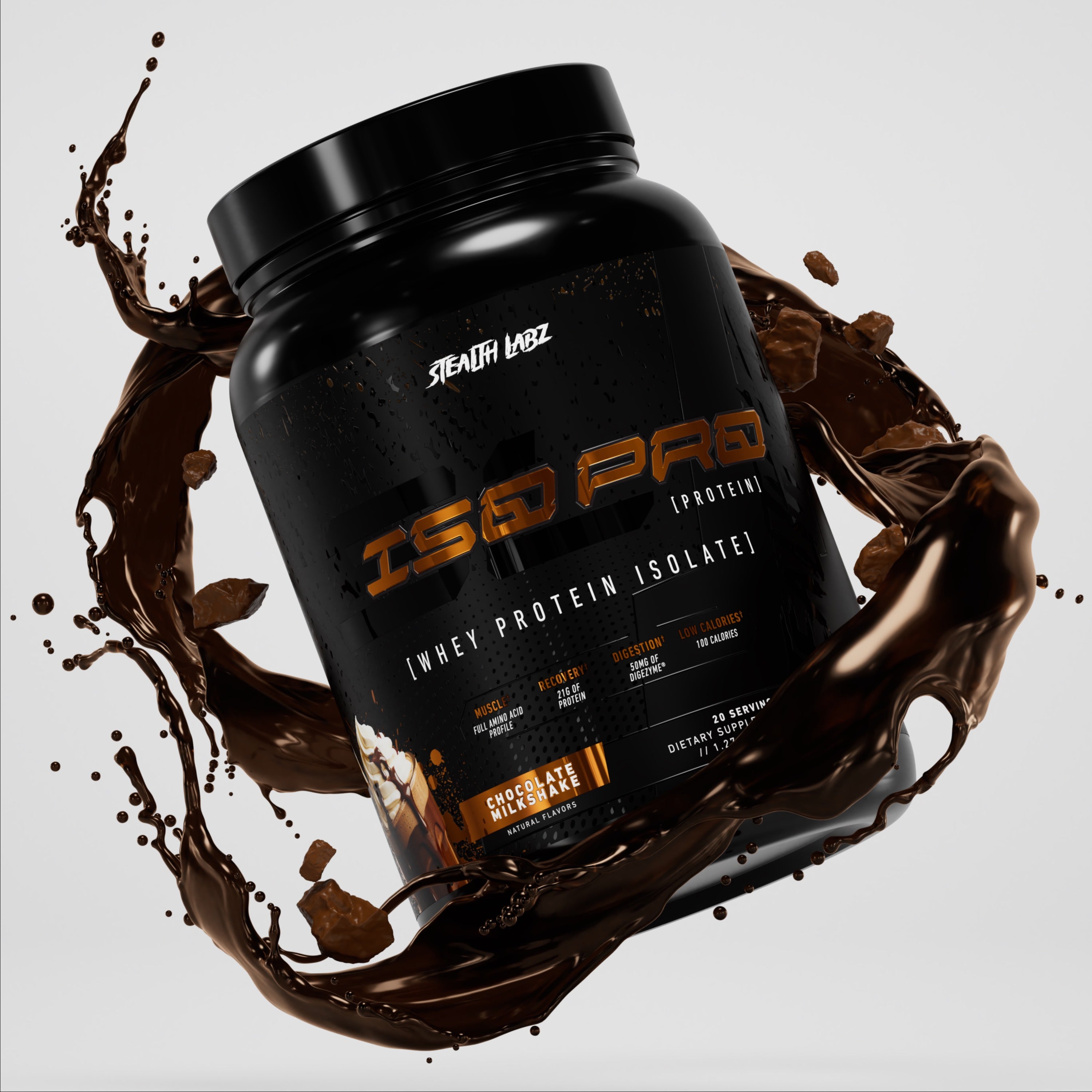
For training days, pair these with a quality protein source like Iso Pro Whey Protein Isolate to hit higher protein targets without excess calories. See our related guide on healthy snacks for weight loss for portable protein ideas.
Smart Carbohydrates for Steady Energy
Carbs are not the enemy. Choose fiber-rich, minimally processed ones that support energy and fullness.
-
Whole grains: Oats, quinoa, brown rice, whole-wheat options in moderation.
-
Starchy but filling options: Potatoes (especially boiled then cooled for resistant starch), sweet potatoes. Potatoes rank extremely high on satiety indexes.
-
Legumes: Already noted above—excellent dual protein + carb source.
Swap refined grains for these to improve blood-sugar control and reduce snacking. For workout fuel, consider timing carbs around training and supporting energy with options from our athletic performance collection.
Healthy Fats in Controlled Portions
Fats are calorie-dense, so portion awareness matters, but the right ones improve satisfaction and hormone support.
-
Nuts and seeds (almonds, walnuts, pistachios, chia, flax): Protein + fiber + healthy fats. Stick to measured handfuls.
-
Avocado: Monounsaturated fats and fiber; use half at a time.
-
Olive oil or fatty fish: Small amounts for flavor and nutrients.
Research and real-user feedback (Reddit/Quora) consistently show nuts support weight management when portions are controlled—they are not automatic weight-gain foods.
Practical Ways to Use These Foods Daily
-
Build plates: Half non-starchy vegetables + protein + small serving of smart carbs or healthy fat.
-
Volume hacks: Big salads, vegetable-heavy stir-fries, egg-white omelets loaded with greens, Greek yogurt bowls with berries.
-
Snack swaps: Apple + small nut butter, air-popped popcorn, carrot sticks with hummus, cottage cheese, or a protein shake.
-
Meal timing tip: Include protein and fiber at every eating occasion to stabilize hunger. For more structure, check our guide on how many meals a day for weight loss.
Focus on consistency over perfection. These foods make a calorie deficit feel manageable.
Foods That Support Fat Loss (Including Belly Fat)
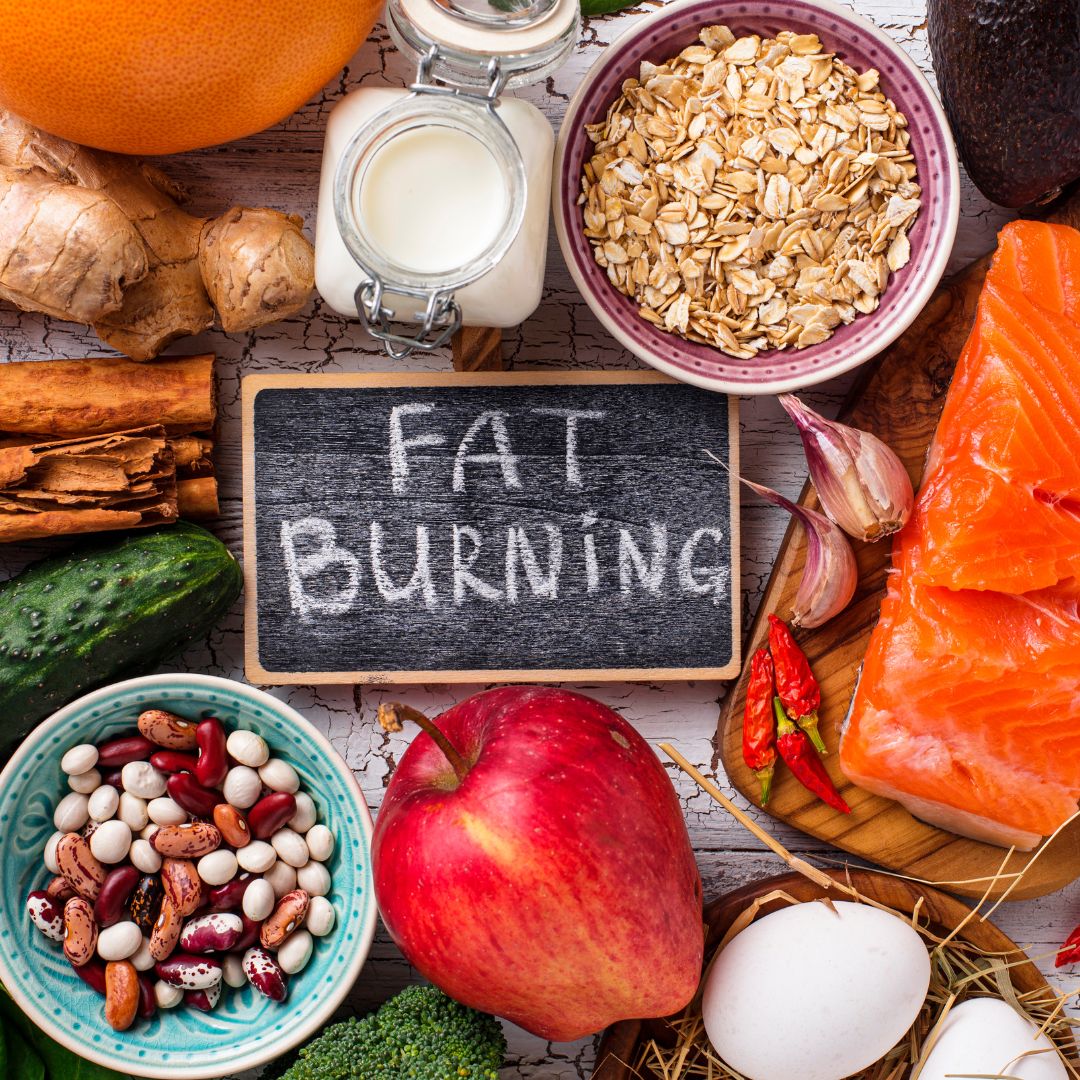
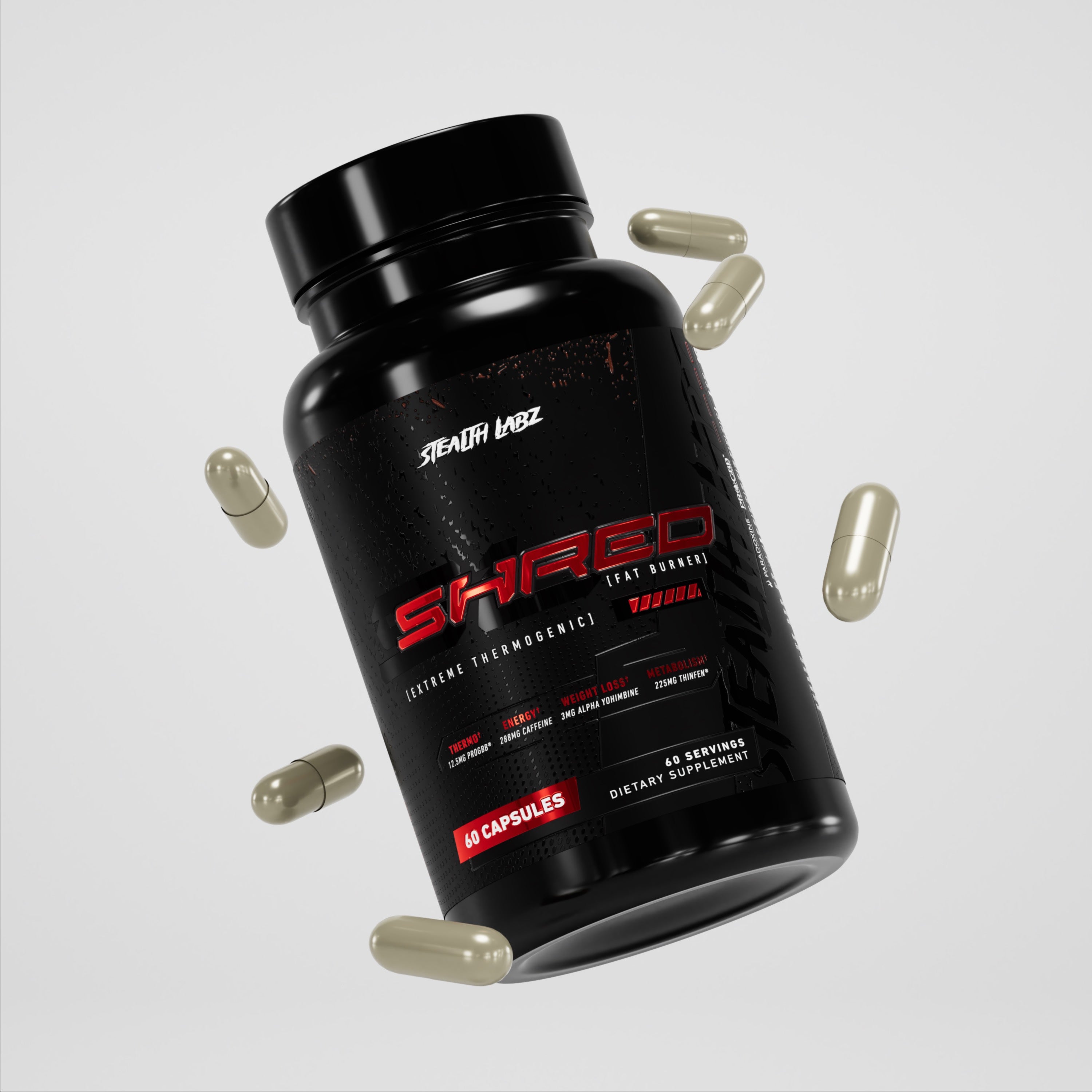
No food specifically “burns” belly fat, but overall fat loss (supported by the foods above) reduces abdominal fat. Emphasize protein, fiber, and a moderate calorie deficit. For targeted discussions on abdominal fat, see our article on what foods burn belly fat. Thermogenic support such as Shred can complement diet and training when used appropriately.
Common Mistakes to Avoid
-
Overeating calorie-dense “healthy” foods (nuts, oils, avocado, dried fruit) without measuring.
-
Relying only on smoothies or juices (less satiating than whole foods).
-
Extreme restriction that leads to rebound.
-
Ignoring protein and fiber while cutting calories.

Conclusion
The best foods for weight loss share common traits: high satiety from protein, fiber, and volume, plus nutrient density. Build most of your meals around leafy greens and other vegetables, lean proteins, berries, whole grains or potatoes, and measured healthy fats. This strategy makes a calorie deficit realistic and sustainable while supporting energy and muscle.
Combine these food choices with progressive training, adequate sleep, and hydration. For additional support on fat loss and recovery, explore our Fat Burning Stack and related guides such as healthy snacks for weight loss and foods that increase metabolism. Stay consistent—the results compound over time
Frequently Asked Questions
What foods keep you full with the fewest calories?
High-water, high-fiber vegetables (leafy greens, broccoli, cucumbers), berries, potatoes, lean proteins, Greek yogurt, and air-popped popcorn. These deliver volume and satiety.
Are nuts good for weight loss?
Yes, when portion-controlled. They provide protein, fiber, and healthy fats that increase fullness. Measure servings (about 1 oz) rather than eating from the bag.
Which fruits are best for losing weight?
Berries, apples, grapefruit, watermelon, and oranges. They are low-calorie, high-fiber, and help satisfy sweet cravings.
Does Greek yogurt help with weight loss?
Yes. Higher-protein Greek yogurt promotes fullness and can reduce later calorie intake compared with lower-protein snacks.
Can I eat carbs and still lose weight?
Absolutely. Prioritize fiber-rich sources (oats, quinoa, potatoes, legumes, vegetables) and keep portions aligned with your calorie needs.
What should I eat to lose belly fat?
No single food targets belly fat. Create an overall calorie deficit with high-satiety foods (protein + fiber + volume), strength train, manage sleep and stress, and stay consistent.
Is it better to eat more frequent small meals or fewer larger ones?
Both can work. The priority is total calories, protein, and fiber intake plus a pattern you can sustain. Listen to hunger cues.
Related reading:

Leave a comment
This site is protected by hCaptcha and the hCaptcha Privacy Policy and Terms of Service apply.