
What Exercise Burns the Most Belly Fat? Best Workouts for Fat Loss
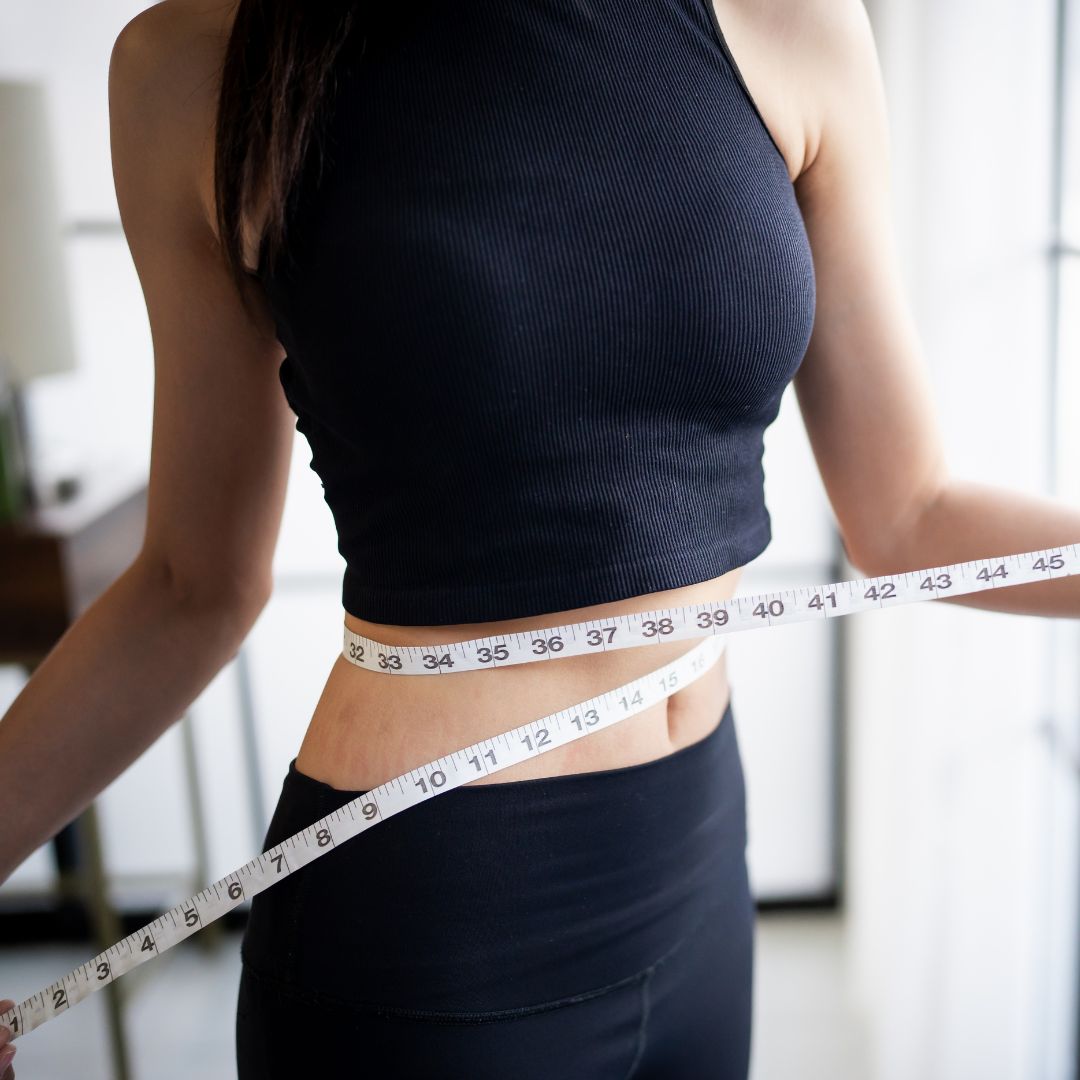
Belly fat cannot be selectively burned with one exercise. Your body loses fat according to overall energy balance, genetics, hormones and other individual factors—not simply because you train one body part.
However, exercise can help reduce overall body fat, waist circumference and visceral abdominal fat. Aerobic exercise, resistance training and high-intensity interval training (HIIT) can all contribute when performed consistently.
This guide explains which workouts are most useful, what core exercises actually do, and how to combine cardio and strength training for a more effective belly-fat-loss strategy.
Can You Target Belly Fat With Exercise?
Not directly.
Exercises such as crunches, planks and leg raises strengthen your abdominal muscles, but training the abs does not guarantee that fat will be removed specifically from your stomach.
A controlled study examining abdominal exercise found improved abdominal muscular endurance without significant reductions in abdominal fat compared with a control group. Another trial found that adding abdominal resistance training to diet did not produce greater abdominal fat loss than diet alone.
The better approach is to combine:
-
Regular cardiovascular exercise
-
Full-body resistance training
-
Appropriate calorie intake
-
Adequate protein
-
Good sleep and recovery
As overall body fat falls, abdominal fat can decrease as part of that process.
Best Types of Exercise for Reducing Belly Fat
There is no single exercise that burns abdominal fat better for everyone. The most effective program is usually one you can perform consistently while combining cardiovascular activity and resistance training.
The strongest options include:
Aerobic exercise: Running, brisk walking, cycling and swimming increase energy expenditure and improve cardiovascular fitness. Research shows regular aerobic exercise can reduce waist circumference and visceral fat in adults with overweight or obesity.
Resistance training: Squats, deadlifts, presses and rows help preserve or build lean mass while supporting improvements in overall body composition. A large meta-analysis found resistance training reduced body-fat percentage, fat mass and visceral fat.
HIIT: Short periods of harder work alternated with recovery can be a time-efficient option. Research suggests HIIT can reduce total and abdominal fat, although it is not consistently superior to continuous aerobic training.
Core training: Planks, crunches and leg raises strengthen the abdominal muscles, but should be used for core strength rather than as a spot-fat-loss strategy.
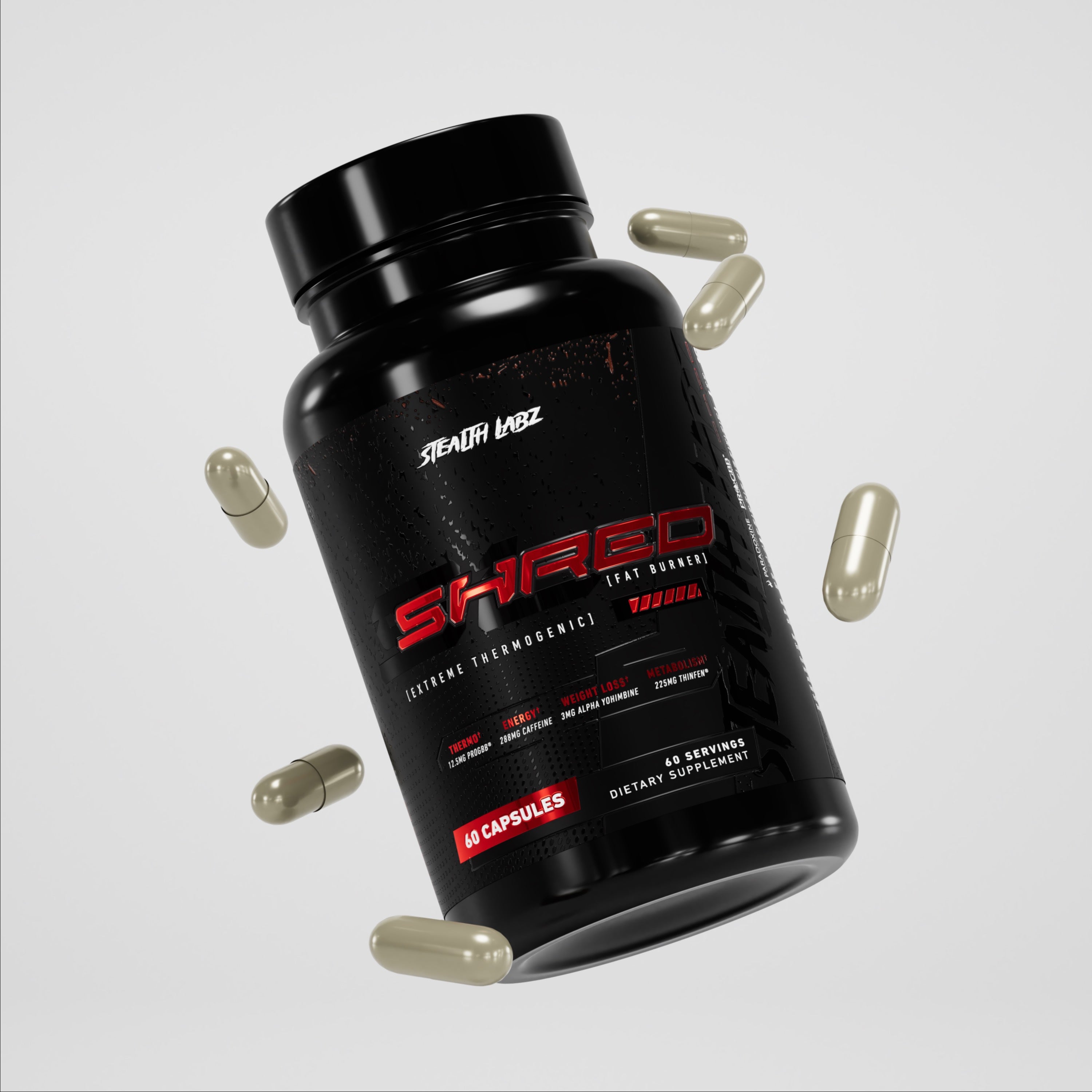
For users already following a training and nutrition plan and considering stimulant-based supplementation, review the ingredients and directions on the SHRED Thermogenic Fat Burner page before use.
Cardio Exercises That Support Abdominal Fat Loss
Cardio cannot selectively remove fat from your stomach, but it can help reduce overall and abdominal fat by increasing energy expenditure and improving cardiovascular fitness.
Good options include:
-
Brisk walking: Accessible and easy to perform consistently
-
Running: Higher-intensity option for experienced exercisers
-
Cycling: Useful for moderate- or vigorous-intensity cardio
-
Swimming: Provides full-body cardiovascular exercise
-
Incline walking: Adds intensity without requiring running
A systematic review found aerobic exercise reduced waist circumference in adults with overweight or obesity, with vigorous exercise producing somewhat larger average reductions than moderate-intensity exercise.
The best form of cardio is therefore not necessarily the workout that burns the most calories in one session. It is the one you can recover from and perform consistently over weeks and months.
HIIT for Belly Fat: Does It Work?
Strength training builds muscle, which revs up your metabolism to burn fat even when you're chilling. Try these key moves:
- Planks: Tighten your core and sculpt abdominal muscles.
- Deadlifts: Work your entire body, improving posture and core strength.
- Squats: Target your legs and core for overall fat loss.
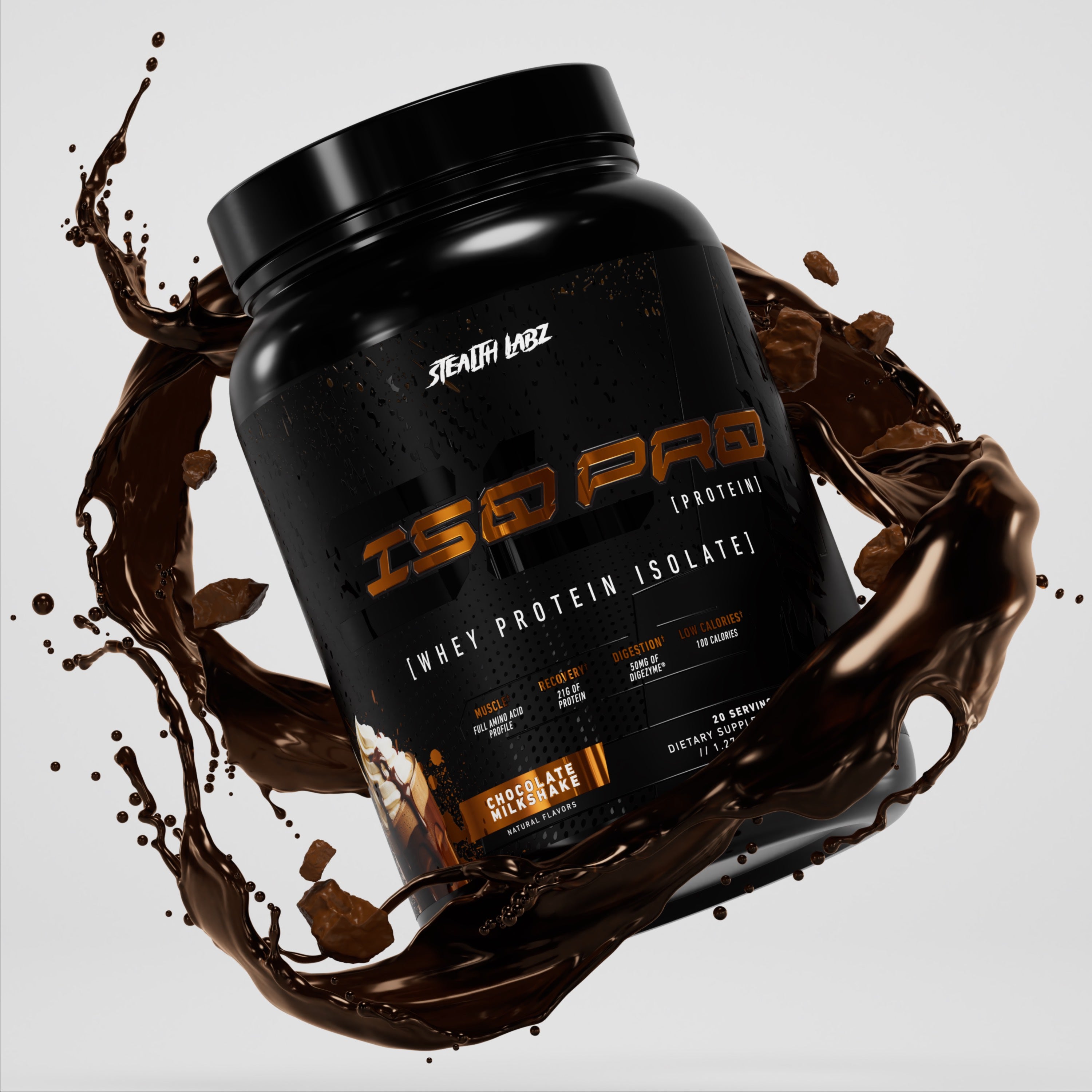
Fuel your muscles with ISO Pro Whey Protein Isolate to speed up recovery and support fat-burning goals.
HIIT alternates short periods of demanding exercise with lower-intensity recovery.
Research indicates that HIIT can reduce total, abdominal and visceral fat over time. However, current evidence does not show that HIIT is always superior to traditional continuous cardio for reducing body fat or abdominal visceral fat.
Examples include:
-
Sprint intervals
-
Stationary-bike intervals
-
Rowing intervals
-
Mountain climbers
-
Burpees
-
High knees
HIIT is demanding, so beginners should start with manageable work-to-rest intervals instead of immediately training at maximum intensity.
Athletes who already tolerate stimulants and want additional pre-workout support can review the formula and caffeine content of SURGE Pre-Workout.
Why HIIT Can Be Useful for Fat Loss
HIIT's main advantage is time efficiency, not guaranteed superiority over every other form of cardio.
Short interval sessions can provide a demanding cardiovascular workout in less time, which may make HIIT easier to fit into a busy training schedule.
Potential advantages include:
-
Improved cardiovascular fitness
-
High exercise intensity in relatively short sessions
-
Minimal equipment requirements for many routines
-
Flexibility for gym or home workouts
-
Potential reductions in overall and visceral fat when performed consistently
Recent research suggests low-volume interval training can reduce whole-body, abdominal and visceral fat in people with overweight or obesity, although the certainty of evidence for superiority over other exercise methods remains limited.
Remove the current “400–600 calories in 30 minutes” and “metabolism elevated for 48 hours” claims unless you have reliable evidence specific to the exact workout, participant and intensity being described.
Sample HIIT Workout at Home
Here is a simpler HIIT routine that can be adjusted to your fitness level:
Warm-up: 5 minutes
Then complete:
-
Bodyweight squats — 30 seconds
-
Rest or walk — 30–60 seconds
-
Mountain climbers — 30 seconds
-
Rest or walk — 30–60 seconds
-
High knees — 30 seconds
-
Rest or walk — 30–60 seconds
-
Reverse lunges — 30 seconds
-
Rest or walk — 30–60 seconds
Repeat for 2–4 rounds depending on your fitness level.
Beginners should prioritize good technique and manageable intensity instead of treating every interval as an all-out effort.
HIIT does not need to be performed every day. Recovery matters, particularly when interval training is combined with strength training.

Strength Training for Fat Loss and Body Composition
Resistance training should be an important part of a fat-loss program because it helps maintain or build lean mass while improving strength and overall body composition.
Useful compound exercises include:
-
Squats
-
Deadlifts or hip hinges
-
Rows
-
Bench or push-up variations
-
Overhead presses
-
Lunges
A systematic review and meta-analysis of randomized trials found resistance training reduced body-fat percentage, fat mass and visceral fat in healthy adults.
Remove the current exercise-specific calorie numbers. Calories burned during an exercise vary greatly with body size, workout duration, intensity, rest periods and training experience.
Adequate dietary protein is also useful when trying to maintain muscle during a fat-loss phase. For a convenient protein option, see ISO PRO Whey Protein Isolate.
Why Strength Training Belongs in a Belly-Fat-Loss Plan
Its biggest advantage during fat loss is helping preserve or build lean tissue while body weight changes. That can support strength, physical function and long-term body composition.
Resistance training has also been shown to reduce visceral fat, including when performed without calorie restriction.
A practical weekly program should focus on major movement patterns such as:
-
Squatting
-
Pushing
-
Pulling
-
Hip hinging
-
Lunging
-
Loaded carries
-
Core stability
You do not need bodybuilding-level training volume. Progressive, consistent resistance training is more important than constantly changing exercises.
Best Core Exercises for a Stronger Midsection
Core exercises are useful for building abdominal strength and stability, but they should not be confused with exercises that selectively burn belly fat.
Useful options include:
|
Exercise |
Main Benefit |
|
Plank |
Core stability and endurance |
|
Side plank |
Lateral core strength |
|
Dead bug |
Trunk control and stability |
|
Bicycle crunch |
Dynamic abdominal training |
|
Leg raise |
Abdominal and hip-flexor strength |
|
Pallof press |
Anti-rotation strength |
Core training can make the abdominal muscles stronger and more developed, but visible definition still depends substantially on overall body-fat levels.
Evidence from abdominal-training studies does not support relying on ab exercises alone to reduce abdominal fat.
What Actually Helps Reduce Belly Fat?
Exercise is important, but belly-fat reduction is not determined by workouts alone.
A sustainable fat-loss plan usually combines:
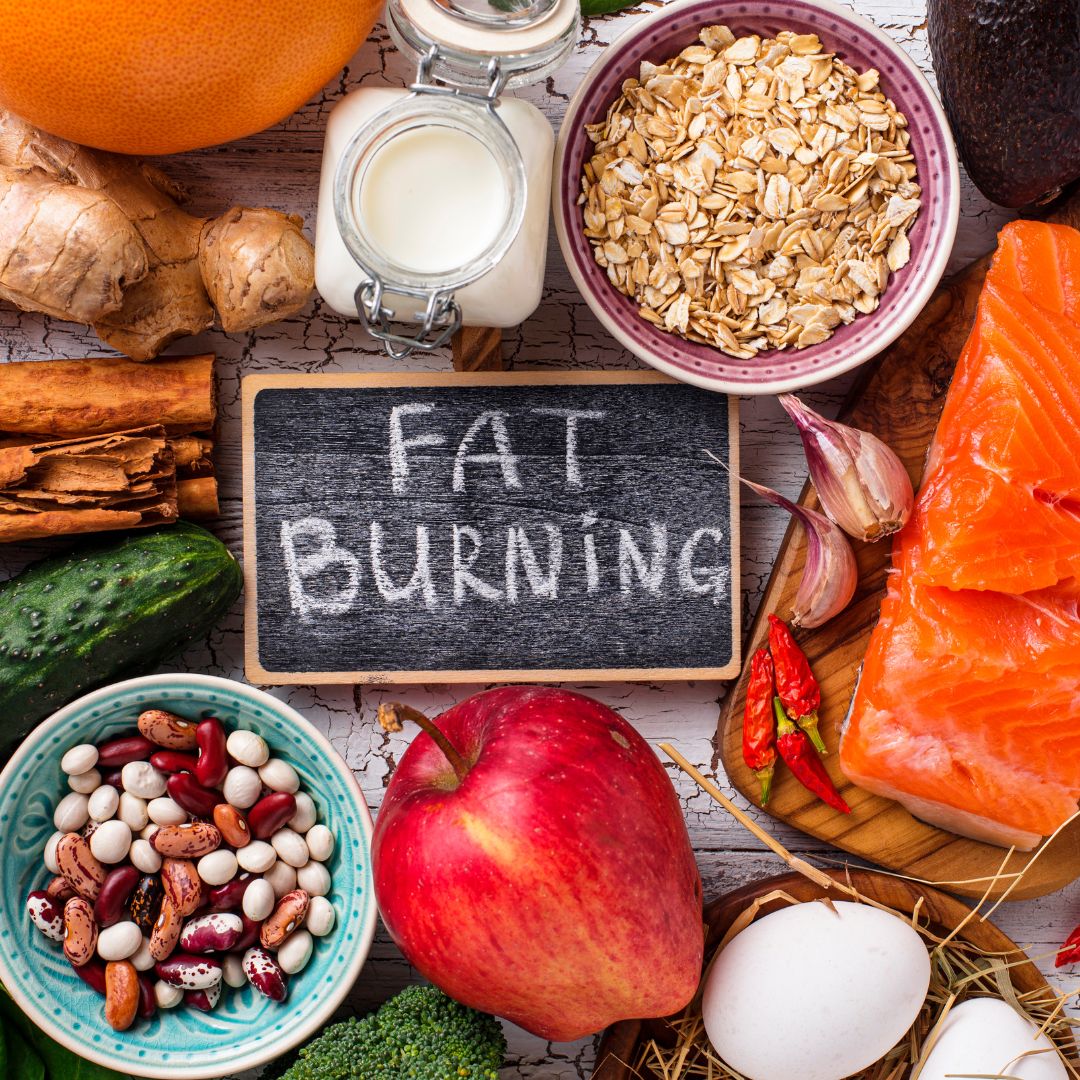
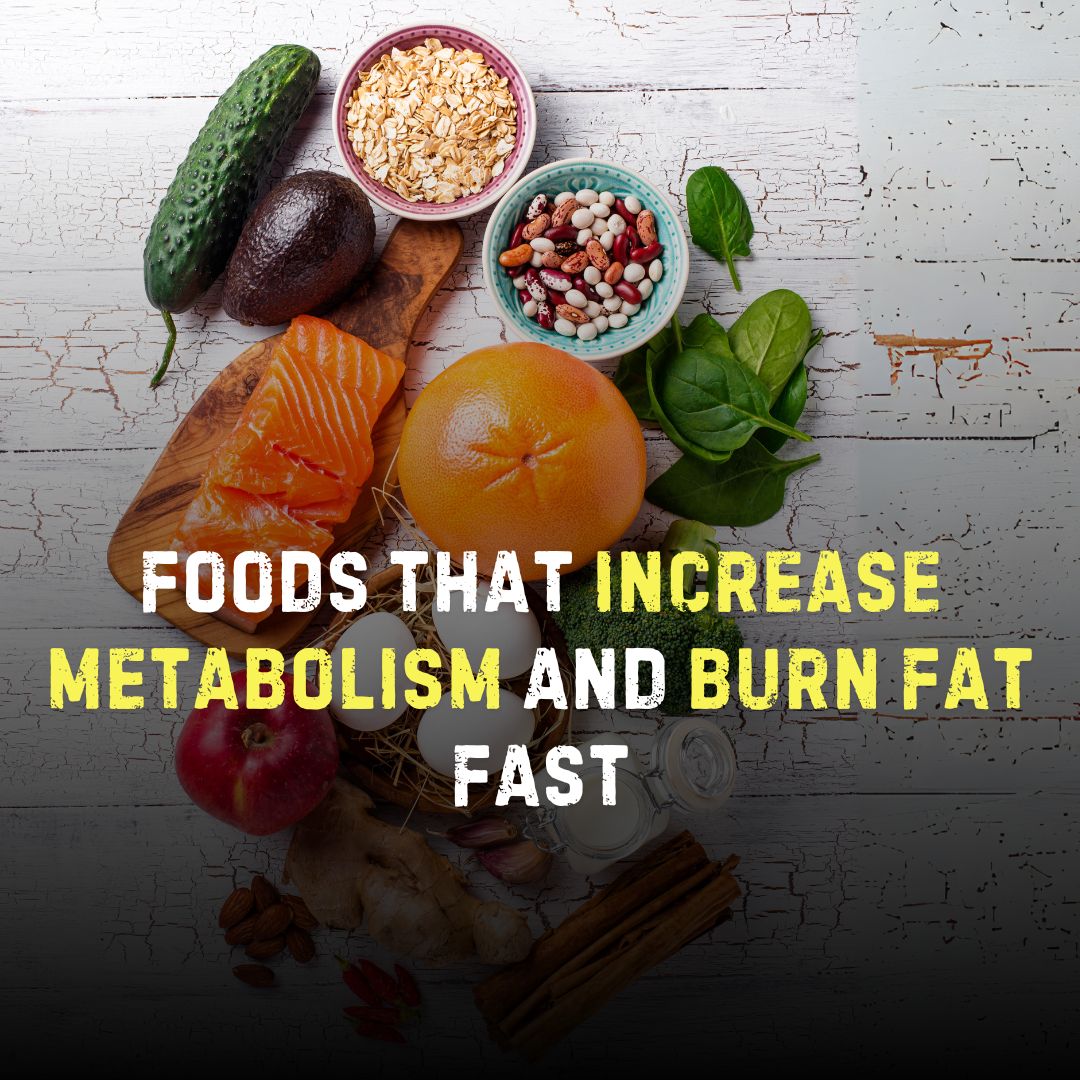
Nutrition: Total calorie intake matters. Foods rich in protein, fiber and minimally processed carbohydrates can make a calorie-controlled diet easier to maintain.
Cardio: Walking, cycling, running, swimming and other aerobic activities increase weekly energy expenditure.
Resistance training: Helps preserve or build lean tissue while supporting better body composition.
Sleep and stress management: Both can affect appetite, food choices, training performance and weight-management behaviors.
CDC guidance emphasizes healthy eating patterns, regular physical activity, sufficient sleep and stress management as parts of healthy weight loss. Gradual loss—around 1–2 pounds per week—is generally more sustainable than aggressive “fast belly fat” promises.
For nutrition ideas that complement the exercise plan, see our guide to foods that support a belly-fat-loss diet.
Frequently Asked Questions
What exercise burns the most belly fat?
There is no single exercise that selectively burns belly fat. Aerobic exercise, resistance training and HIIT can all help reduce overall and abdominal fat when performed consistently.
Is HIIT better than cardio for belly fat?
Not necessarily. HIIT can be effective and time-efficient, but systematic-review evidence has found it is not consistently superior to continuous aerobic training for reducing overall or visceral abdominal fat.
Can crunches burn belly fat?
Crunches strengthen the abdominal muscles but should not be relied on to selectively remove fat from the stomach.
Does walking help reduce belly fat?
Walking contributes to total physical activity and energy expenditure. Regular aerobic activity can reduce waist circumference and abdominal fat over time, particularly when combined with appropriate nutrition.
Does strength training help with belly fat?
Yes. Resistance training has been associated with reductions in total and visceral fat while also supporting lean mass and strength.
Can I lose belly fat in two weeks?
You may see changes in body weight or waist measurements over two weeks, but substantial, lasting fat loss usually requires more time. CDC recommends gradual, steady weight loss rather than aggressive short-term promises.
Do ab exercises make your stomach flatter?
They can strengthen and develop your abdominal muscles. Whether your stomach looks leaner also depends on overall body fat, posture, bloating and individual anatomy.
Is cardio or strength training better for belly fat?
Both can be useful. Aerobic exercise can reduce waist circumference and visceral fat, while resistance training improves body composition and helps preserve lean tissue. Combining them is a practical approach.
The Bottom Line: What Exercise Is Best for Belly Fat?
There is no single workout that selectively burns belly fat.
The strongest strategy is to combine regular cardio, resistance training and an appropriate nutrition plan while using core exercises to strengthen your midsection.
HIIT can be useful when you want a shorter, higher-intensity workout, while walking, running, cycling and swimming provide effective aerobic options. Resistance training helps preserve muscle and improve body composition.
Consistency matters more than chasing the exercise that supposedly burns the most belly fat in one session.
For users building a broader nutrition and supplement plan around a cutting phase, explore the Stealth Labz Fat Burning Stack.
Focus on sustainable progress rather than “two-week belly fat” promises.

Leave a comment
This site is protected by hCaptcha and the hCaptcha Privacy Policy and Terms of Service apply.