

How to Build Muscle and Lose Fat at the Same Time: The Complete Body Recomposition Guide
Want to look leaner and more muscular without endless bulk-and-cut cycles? That’s body recomposition — simultaneously gaining muscle and losing fat. It is possible, but it requires a specific approach to calories, protein, training, and recovery.
This guide gives you the practical, science-supported framework.
Is Body Recomposition Actually Possible?
Yes. Multiple studies show that resistance-trained people (and especially beginners and those with higher body fat) can gain muscle while losing fat under the right conditions. It is slower than pure bulking or pure cutting, but the result is a better-looking body without large weight swings.
It works best if you are:
- A beginner or intermediate lifter
- Carrying higher body fat
- Returning to training after time off
- Consistent with high protein and progressive strength training
Very lean, advanced lifters usually get better results from dedicated surplus and deficit phases.

1. Calorie Strategy: Mild Deficit or Maintenance
This is the most important piece most articles skip.
- Aim for a small calorie deficit of roughly 200–500 calories below maintenance, or eat at true maintenance.
- Large deficits (>750–1,000 calories) make muscle gain extremely difficult.
- Track your weight and measurements weekly. If the scale is dropping more than 0.5–1% of body weight per week and strength is stalling, increase calories slightly.
How to find maintenance: Track your food and weight for 10–14 days while training normally. The average daily intake that keeps your weight stable is your maintenance.
2. Protein: The Non-Negotiable
Target 1.6–2.2 grams of protein per kilogram of body weight (roughly 0.7–1 g per pound).
Higher protein:
- Supports muscle protein synthesis
- Helps preserve (and build) muscle in a deficit
- Increases satiety
Spread it across 3–5 meals. Good sources include lean meats, fish, eggs, dairy, Greek yogurt, and high-quality whey isolate when whole food is inconvenient.
3. Training: Prioritize Progressive Strength Training
Muscle growth requires a reason to grow. That reason is progressive overload.
- Train each major muscle group 2–3 times per week
- Aim for 10–20 hard sets per muscle group per week
- Focus on compound movements: squats, deadlifts, bench press, rows, overhead press, pull-ups/chin-ups, lunges
- Use 6–12 rep ranges for most work, with some heavier and some higher-rep sets
- Add weight, reps, or sets over time
Add 1–2 short HIIT or moderate cardio sessions per week if you want extra fat loss, but never at the expense of recovery or strength progress. Low-intensity steady-state cardio (walking) is usually safer for muscle retention.
4. Recovery & Lifestyle Factors
- Sleep 7–9 hours. Poor sleep raises cortisol and hurts both fat loss and muscle gain.
- Manage stress. Chronic high cortisol works against recomposition.
- Stay hydrated.
- Be consistent for at least 8–12 weeks before judging results.
5. How to Track Progress Properly
Do not rely only on the scale.
- Weekly average weight
- Progress photos (same lighting and poses)
- Measurements (waist, hips, chest, arms, thighs)
- Strength in the gym
- How clothes fit
If strength is rising and waist is shrinking (or staying the same while you look more muscular), you are recomposing successfully.
Sample Weekly Framework
- Strength training: 3–5 days (full body or upper/lower)
- Cardio: 1–2 short HIIT or 2–3 easy walks
- Protein: Hit the daily target every day
- Calories: Mild deficit or maintenance
- Sleep: Non-negotiable
Supplements That Can Help (Optional)
Supplements are secondary to training, protein, and calories. Useful options include:
- High-quality whey isolate for convenience
- Creatine monohydrate (3–5 g daily) for strength and muscle
- Essential amino acids or BCAAs around training if meals are poorly timed
- A well-formulated fat burner only if it helps adherence (not magic)
Always choose third-party tested products and consult a professional if you have health conditions.

Frequently Asked Questions
How Can I Achieve Muscle Growth and Fat Loss Simultaneously?
Combine strength training, a protein-rich diet, and a slight caloric deficit. Use compound exercises and consider the Muscle Building Stack for enhanced results. Consistency and rest are key.
What Foods Support Muscle Growth and Fat Loss?
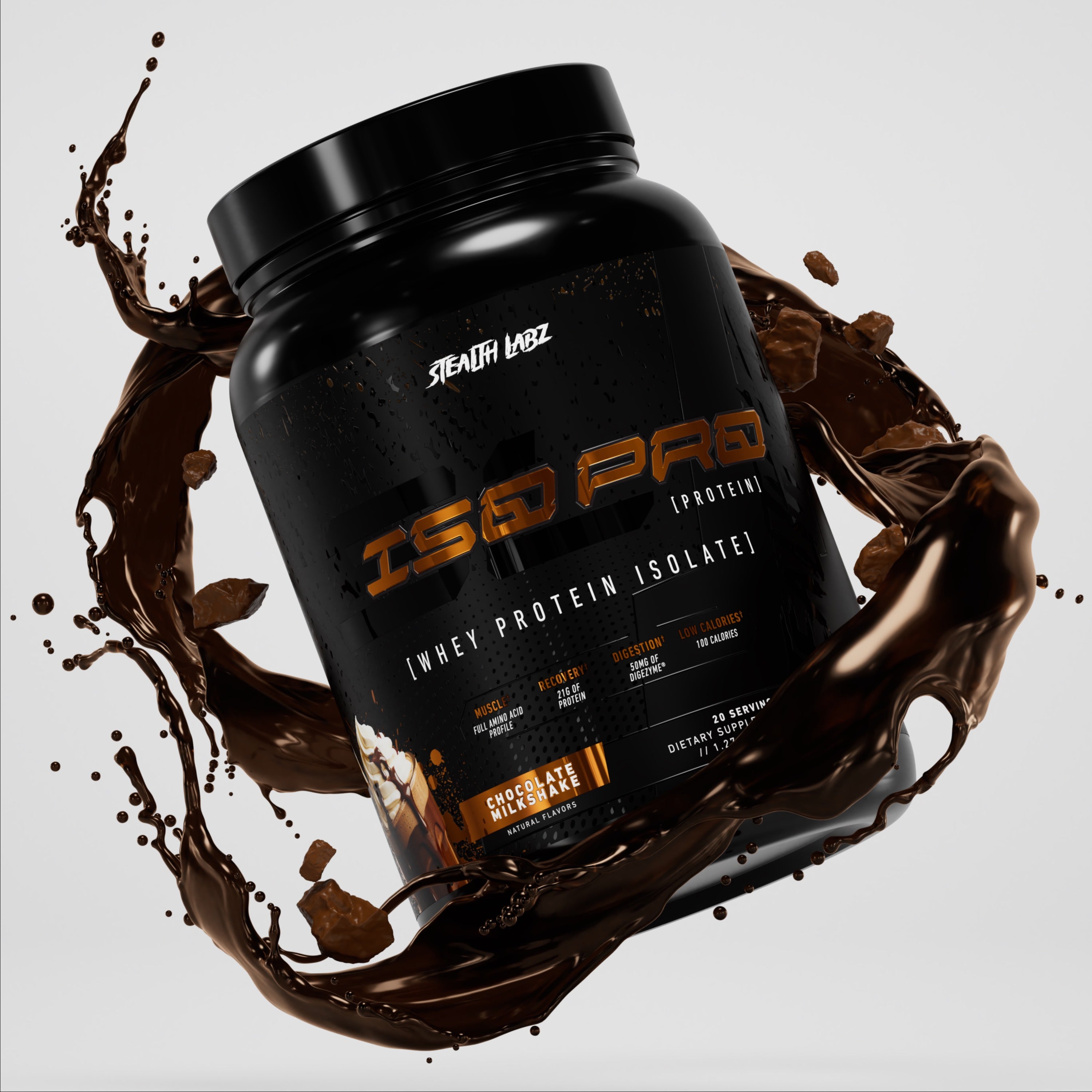
Eat high-protein foods like chicken, fish, and legumes, plus complex carbs and healthy fats. Incorporate ISO PRO Whey Protein Isolate for convenience. Avoid processed foods for optimal results.
Is Cardio Effective for Fat Loss and Muscle Growth?
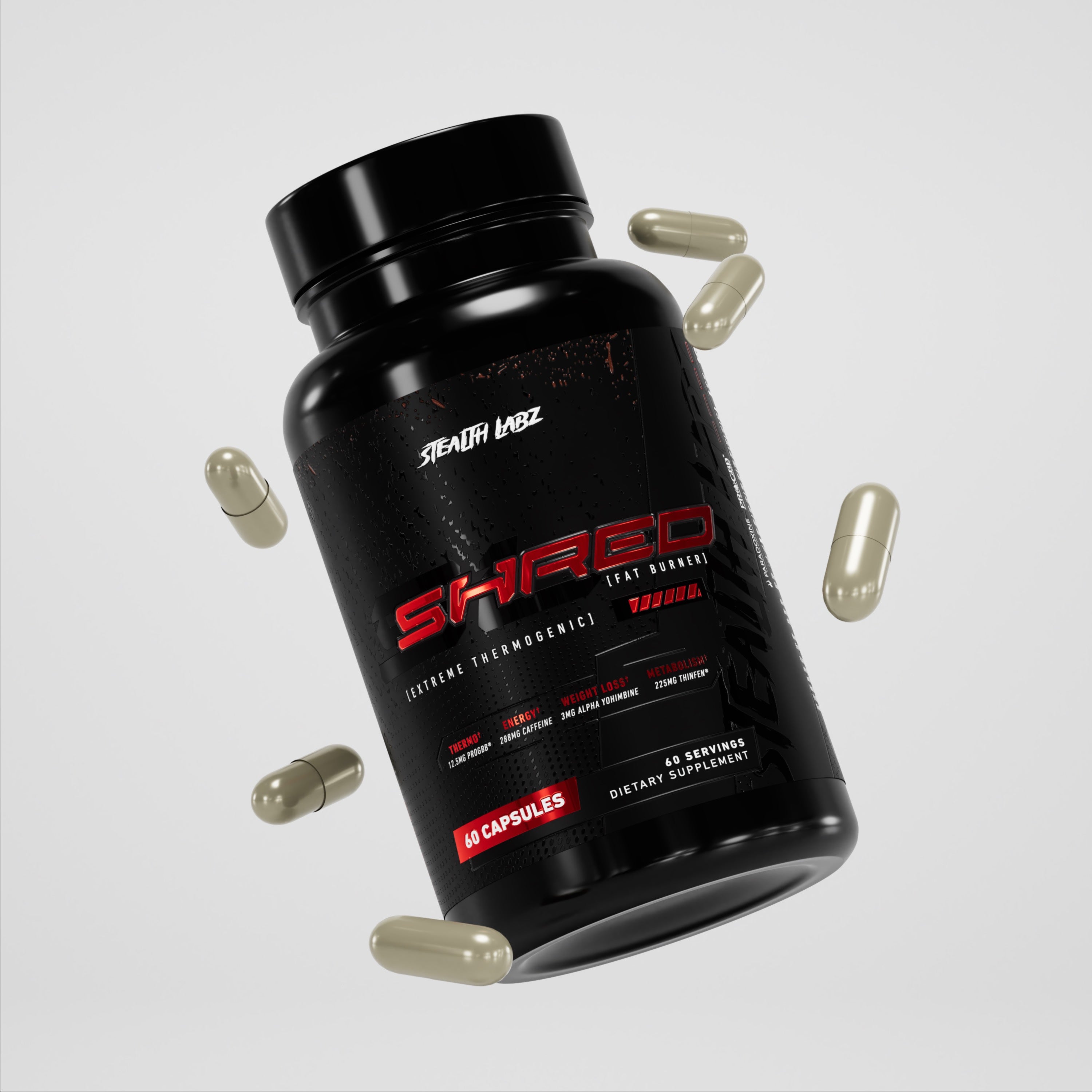
Moderate cardio, like LISS, supports fat loss without sacrificing muscle. Limit to 2–3 sessions weekly and pair with strength training. Use SHRED Fat Burner to enhance fat loss.
How Important Is Rest for Muscle Growth?
Rest is critical for muscle recovery and growth. Aim for 7–9 hours of sleep and 1–2 rest days weekly to prevent overtraining and support muscle growth.
Bottom Line
Body recomposition is real and achievable when you combine:
- Progressive resistance training
- High protein intake
- A mild calorie deficit or maintenance calories
- Sufficient recovery
Stay consistent for several months. The scale may not move dramatically, but your reflection and measurements will. That is the real win.
Start with the calorie and protein targets above, train hard with progressive overload, and track the right metrics. Your leaner, stronger physique is built one consistent week at a time.



Leave a comment
This site is protected by hCaptcha and the hCaptcha Privacy Policy and Terms of Service apply.