
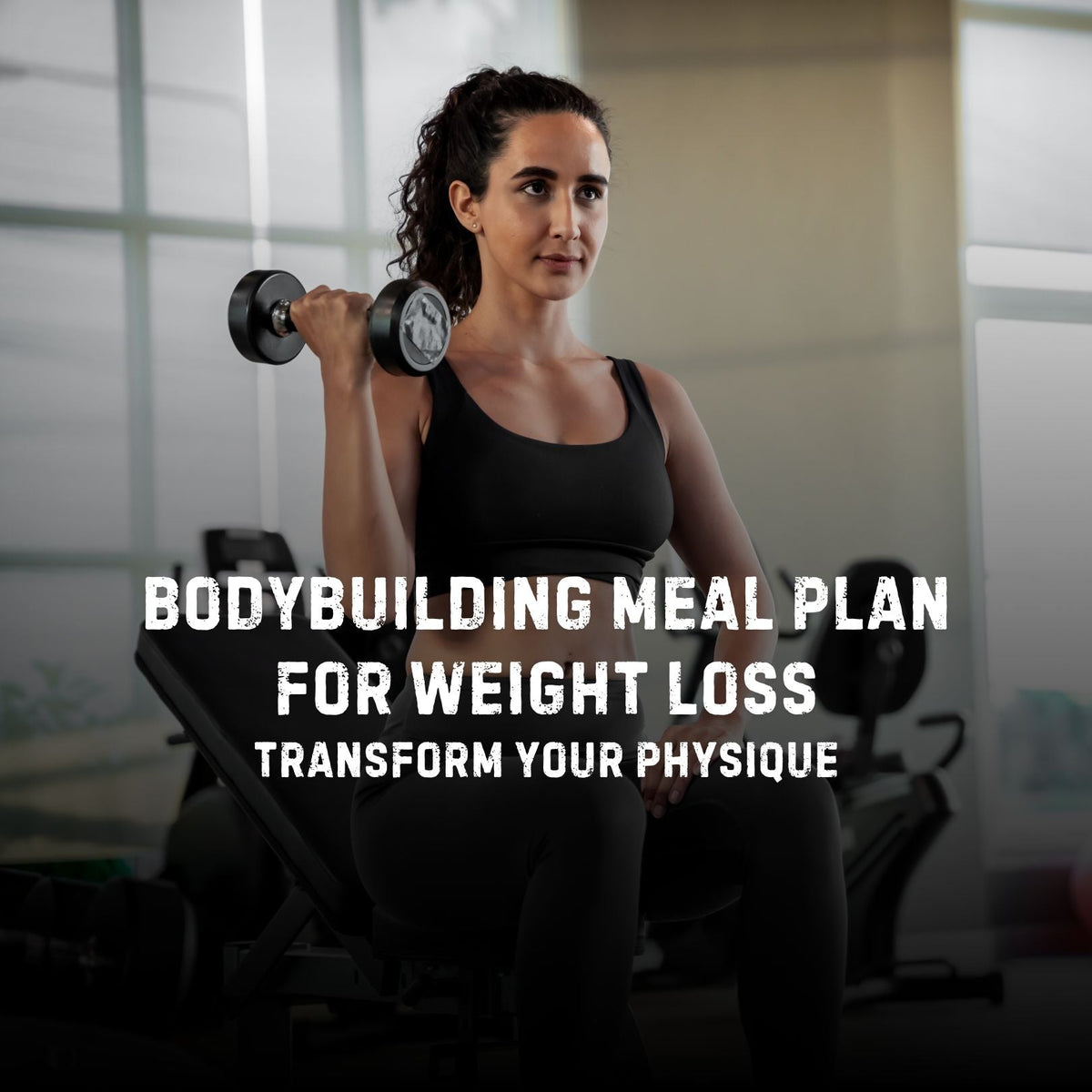
Bodybuilding Meal Plan for Weight Loss: Build Muscle While Burning Fat
A well-designed bodybuilding meal plan for weight loss lets you lose fat while preserving (and even building) muscle. The key is a moderate calorie deficit, high protein, smart carb timing around workouts, and consistency not extreme restriction.
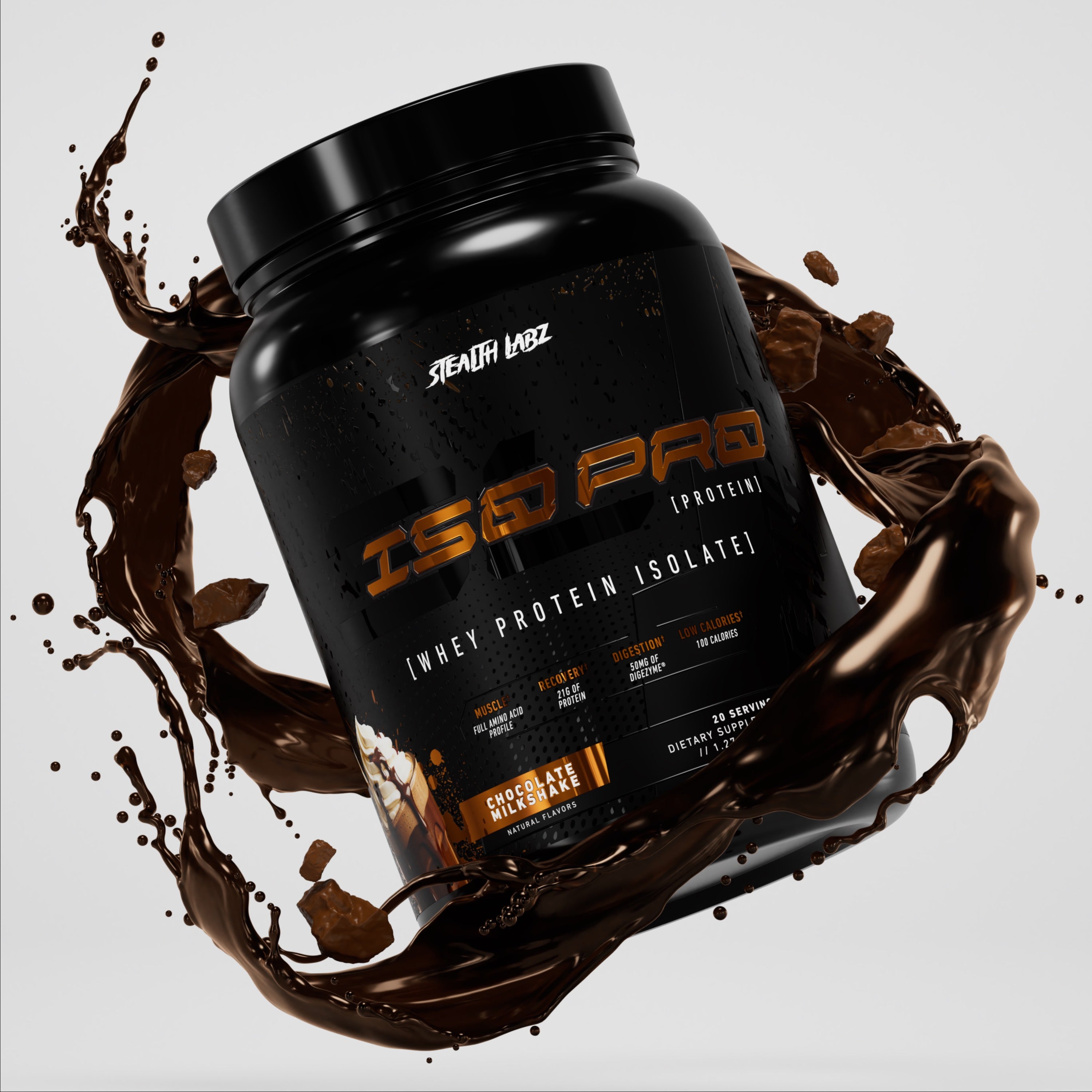
Focus on nutrient-dense whole foods, 3–6 meals/snacks daily, and strategic use of quality supplements such as ISO PRO Whey Protein Isolate and the Muscle Building Stack. Pair the plan with progressive resistance training and you’ll improve body composition instead of just watching the scale.
For more on daily protein targets, see our guide: How Much Protein Do You Need to Build Muscle?.
Why a Bodybuilding Meal Plan Supports Weight Loss
A strategic bodybuilding meal plan for weight loss is a game-changer. It’s not just about cutting calories—it’s about optimizing nutrients. Protein, like ISO PRO Whey Protein Isolate, fuels muscle repair and growth. Carbs provide energy for intense workouts, while healthy fats support hormone balance. Timing your meals right can also boost metabolism and recovery, helping you burn fat while building muscle. This guide breaks down how to structure your meals for the best results.

Meal Planning Basics for Muscle Gain and Fat Loss
A well-crafted meal plan keeps you on track for bodybuilding and weight loss. It helps control portions, balance nutrients, and reduce decision fatigue. Pair your plan with fat-burning stacks to boost metabolism, curb appetite, and preserve lean muscle while shedding pounds.
Setting Realistic Goals
Start by defining clear goals for weight loss and muscle gain. Write them down to stay motivated. Break them into smaller steps and track progress weekly. Adjust your plan as needed to keep moving forward.
Balancing Macronutrients
Macronutrients are the backbone of your diet. Focus on:
- Protein: 1.6–2.2 g per kg body weight (or ~0.7–1 g per lb) to protect muscle in a deficit. Prioritize lean sources + ISO PRO.
- Carbs: Higher around training for performance and recovery; moderate overall.
-
Fats: 20–30% of calories for hormones.
Aim for a 300–500 calorie deficit for sustainable fat loss while training hard. Track for 1–2 weeks and adjust.
Protein-Packed Recipes for Muscle Building and Weight Loss
Protein-packed meals are essential for building muscle and losing fat. These recipes are simple, tasty, and packed with nutrients to support your bodybuilding diet.
Breakfast Options
Kickstart your day with protein-rich breakfasts:
- Scrambled Eggs with Spinach and Tomatoes: Eggs deliver protein, while spinach adds iron and vitamins.
- Greek Yogurt with Nuts and Berries: High in protein and healthy fats, topped with antioxidants.
Dinner Ideas
End your day with these muscle-building dinners:
- Grilled Chicken with Broccoli: Lean protein paired with fiber-rich broccoli for digestion.
- Salmon with Quinoa and Asparagus: Omega-3s, protein, and carbs for sustained energy.
These meals make weight loss tasty and effective.
Meal Timing for Optimal Muscle Growth and Fat Loss
Eat a protein + carb meal 1–3 hours pre-workout and another within 1–2 hours post-workout. Learn the details here: When to Eat Before or After Workout for Muscle Gain. Use SURGE Pre-Workout 20–30 minutes before training and an ISO PRO shake afterward.
Sample Daily Structure
- Breakfast: Eggs + spinach + oats or Greek yogurt + berries + nuts
- Mid-morning: Protein shake or cottage cheese
- Lunch: Chicken/fish + rice/quinoa + large vegetables
- Pre/Post-workout: Banana or oats + ISO PRO / SURGE
- Dinner: Salmon or lean beef + veggies + moderate carbs
- Optional evening: Casein-style protein or Greek yogurt
Adjust portions to your calorie target. For more food ideas: 26 Best Foods for Muscle Growth.
Pre-Workout Nutrition
Eat a balanced meal two hours before training with protein and complex carbs. For a quick boost, grab a banana or SURGE Pre-Workout 30 minutes prior to crush your workout with energy and focus.
Post-Workout Recovery
Eat within 30 minutes post-workout. A shake with ISO PRO Whey Protein Isolate and fruit repairs muscles and restores energy fast.
Hydration Strategies for Bodybuilding Success
Stay consistent with water + Lytes on training days. Track weight, measurements, and strength. When progress stalls, review How to Burn Fat and Build Muscle Simultaneously.
Daily Water Intake
Aim for at least eight glasses of water daily. Sip throughout the day and increase intake with exercise.
Electrolyte Balance
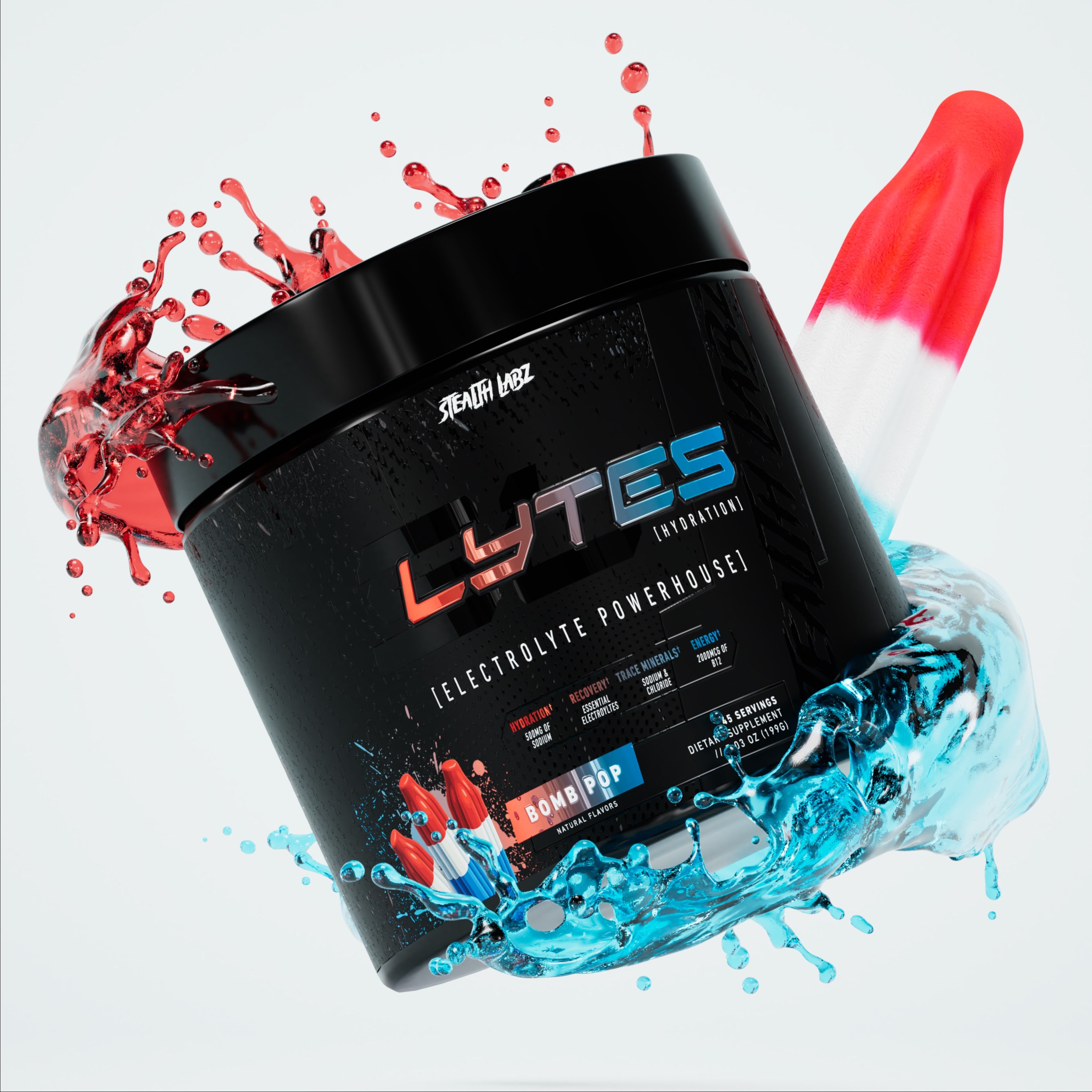
Electrolytes like sodium and potassium support muscle function. Eat bananas, spinach, or yogurt. For intense workouts, consider electrolyte supplements like LYTES.
Adjusting Your Meal Plan for Continued Progress
Tweak your meal plan to keep losing weight and building muscle. Adjust calories, increase protein, and focus on whole foods.
Tracking Progress
Monitor weight, measurements, and food intake with a journal or app. Adjust portions if progress stalls. Consult a nutritionist for expert guidance.
Overcoming Plateaus
Plateaus happen when your body adapts. Switch up foods, tweak macros, or try new cooking methods. Boost workouts with SURGE Pre-Workout for extra intensity.
Frequently Asked Questions About Bodybuilding and Weight Loss
Can I build muscle and lose fat at the same time?
Yes, especially if you’re a beginner, returning after a break, or carrying higher body fat. A moderate deficit + high protein + progressive training supports recomposition. Advanced lifters see slower simultaneous progress.
How much protein do I need on a bodybuilding meal plan for weight loss?
Aim for 1.6–2.2 g per kg of body weight (roughly 0.7–1 g per lb). Higher end of the range helps preserve muscle in a deficit. Spread it across meals. Use ISO PRO Whey Protein Isolate to hit targets conveniently. Full guide: How Much Protein Do You Need to Build Muscle?.
How many meals should I eat per day for muscle gain and fat loss?
3–6 meals/snacks works for most people. Focus on total daily calories and protein rather than exact frequency. Many prefer 4–5 for hunger control and recovery. Related reading: How Many Meals a Day for Weight Loss?.
What is a good macro split for body recomp?
Protein high (as above), fats ~20–30% of calories, remaining calories from carbs (timed higher around workouts). Adjust based on energy, training performance, and weekly progress.
Is carb cycling useful in a bodybuilding cut?
It can help some people manage energy and adherence (higher carbs on training days, lower on rest days), but it’s optional. Total weekly calories and protein matter more than daily cycling for most.
Do I need supplements for a bodybuilding meal plan for weight loss?
No—food first. Supplements help fill gaps, improve recovery, and support adherence. Prioritize protein powder, a quality pre-workout, and electrolytes. See the Muscle Building Stack and Fat Burning options.
What should a sample day of eating look like?
High-protein breakfast, balanced lunch and dinner with veggies, protein + carbs around training, and optional snacks. Scale portions to your calorie target and include whole-food options from our 26 Best Foods for Muscle Growth list.
Should I eat differently on rest days?
Keep protein high. Slightly lower carbs/calories on rest days is fine if it fits your weekly average and keeps hunger manageable.
Conclusion: Your Path to Muscle Gain and Weight Loss
A successful bodybuilding meal plan for weight loss prioritizes high protein, controlled calories, smart timing, and whole foods. Stay consistent, train progressively, and adjust every 1–2 weeks based on results.
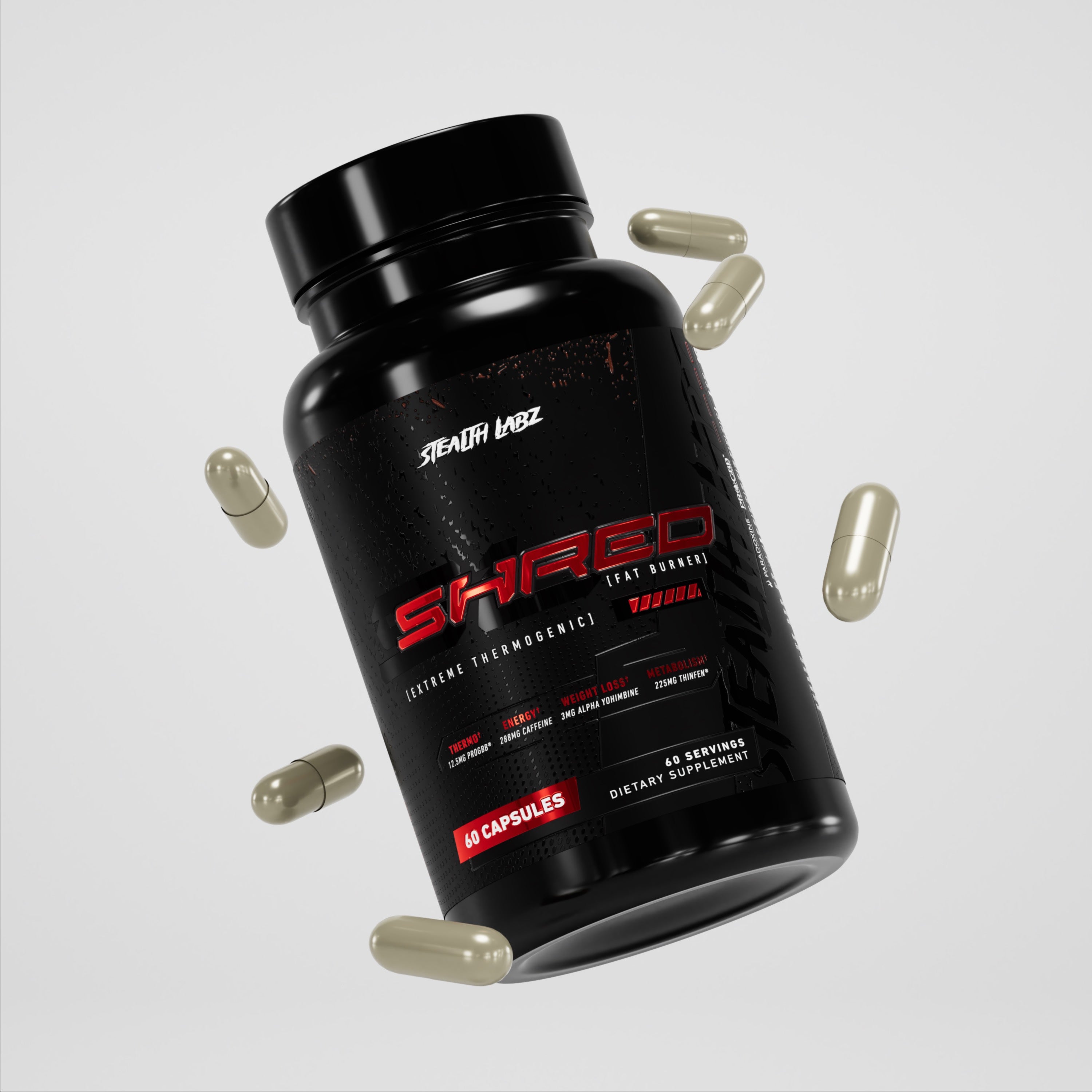
Support recovery and fat loss with the Muscle Building Stack (including ISO PRO, Elevate BCAA/EAAs, and related formulas) or explore the Fat Burning Stack if cutting is the primary focus. Track progress, stay patient, and consult a professional for personalized needs. Your recomp journey is unique—own the process and keep showing up.


Leave a comment
This site is protected by hCaptcha and the hCaptcha Privacy Policy and Terms of Service apply.