

Creatine Monohydrate for Beginners: Loading, Timing & How Much You Really Need
You bought your first tub of creatine. Now you're staring at the label, and it's telling you to take four scoops a day for a week, then drop down to one. Meanwhile, half the internet says loading is pointless, and the other half swears by it. Add in questions about when to take it, whether it needs to be mixed with carbs, and whether it's even safe long-term and it's easy to see why so many beginners just leave the tub in the cabinet.
Here's the good news: creatine monohydrate is one of the simplest, most researched supplements you can take. Once you understand the three things that actually matter whether to load, how much to take daily, and when to take it the rest is just consistency.
This guide breaks down exactly that, based on the current research and the real questions lifters ask in gyms and fitness forums every day.
What Is Creatine Monohydrate, and Why Do Beginners Take It?
Creatine is a compound your body already makes and stores in muscle tissue, where it helps regenerate ATP your muscles' primary energy source during short, intense effort like heavy lifting or sprinting. A typical diet only gets you 1–2 grams a day from food, which keeps your muscle stores around 60–80% full.
Supplementing with creatine monohydrate tops off those stores, and that's what unlocks the benefits beginners are usually chasing:
-
More reps and heavier lifts over time, since your muscles can regenerate energy faster between sets
-
Faster gains in lean muscle mass when paired with consistent resistance training
-
Better recovery between hard training sessions
-
Some cognitive and neurological support, an area newer research continues to explore
It's not a stimulant, it won't give you an immediate "kick," and it isn't a fat burner. It's a slow-building strength and muscle tool which is exactly why beginners often underestimate it or use it incorrectly in the first few weeks.
Do You Really Need a Creatine Loading Phase?
This is the single most common beginner question, and it's the one that causes the most confusion largely because the label on most creatine tubs still recommends it by default.
What a loading phase looks like:
-
20–25 grams per day, split into 4 doses of about 5 grams each
-
Lasts 5–7 days
-
Designed to saturate your muscle creatine stores as quickly as possible
What happens if you skip loading:
-
Take a flat 3–5 grams per day from day one
-
Your muscle stores reach the same full saturation point, it just takes roughly 3–4 weeks instead of about a week
Research consistently shows both approaches land in the same place. Loading gets you there faster, which matters if you have a specific event or timeline in mind. Skipping it is gentler on your stomach and just as effective if you're patient. The tradeoff isn't effectiveness it's speed versus comfort.
A quick comparison:
|
Loading Phase |
No-Load (Straight to Maintenance) |
|
|
Daily dose |
20–25g (split into 4 doses) |
3–5g |
|
Time to full saturation |
~5–7 days |
~3–4 weeks |
|
Common side effects |
Bloating, mild stomach discomfort |
Minimal |
|
Best for |
Those wanting faster visible results |
Beginners easing in, budget-conscious users |
If you're new to creatine and unsure which camp you fall into, starting at 3–5 grams daily is the lower-risk, equally effective choice you'll simply need a few extra weeks of patience before you notice the full effect.
How Much Creatine Should Beginners Take?
Once you're past the loading question, daily dosing is simple:
-
3–5 grams per day is the standard, well-supported maintenance dose for most people, regardless of body weight
-
Take it every day, including rest days, creatine saturation is maintained through consistency, not workout-day-only dosing
-
More is not better. Doses well above 5g/day don't meaningfully speed up results once your stores are saturated; they just mean you're paying for creatine you won't use
If you're a larger individual (225+ lbs) or have been training for years with well-developed muscle mass, some people go slightly above 5g, but for most beginners, 5 grams daily covers it.
Best Time to Take Creatine
Timing creatine gets debated constantly, but the research gives a fairly clear answer: consistency matters far more than the exact hour. That said, a few practical patterns do help:
-
Post-workout is the most commonly recommended window. Taking creatine after training, alongside a source of protein and carbohydrate, may support slightly better uptake since insulin release is elevated post-exercise.
-
Any consistent daily time works. If mornings are easier for you to remember, that's a perfectly valid approach, what matters is that you don't skip days.
-
On rest days, take it with a meal at a similar time to your usual workout-day dose.
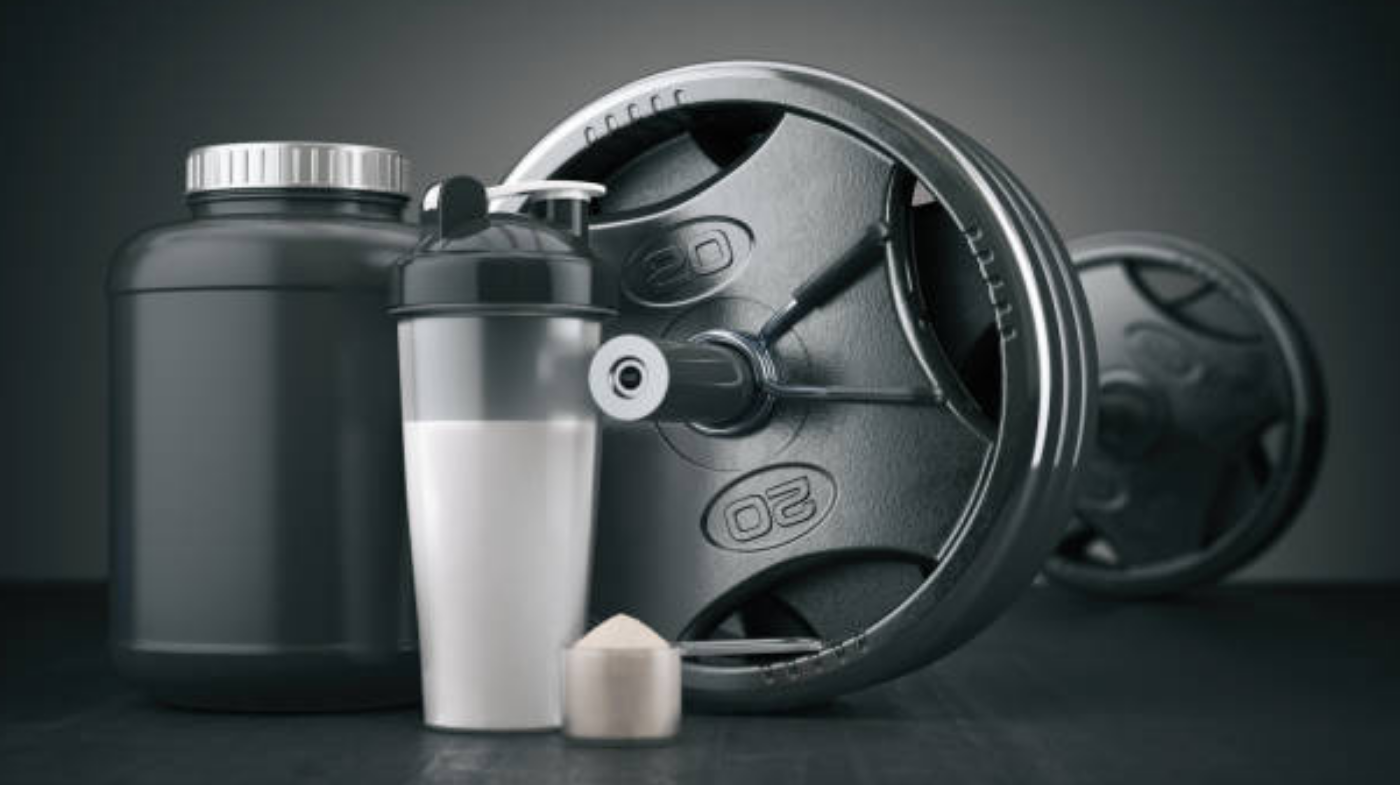
A simple, low-effort routine: mix your creatine into your post-workout protein shake. It solves the timing question and gives you a habit you'll actually stick to.
Common Beginner Mistakes to Avoid
-
Expecting overnight results. Creatine builds strength and lean mass gradually over weeks, not days.
-
Stopping after a few weeks because "nothing happened." Full benefits typically show up after your stores are saturated and you've been training consistently for 4+ weeks.
-
Not drinking enough water. Creatine pulls water into muscle cells; staying hydrated helps and also reduces the odds of stomach discomfort.
-
Skipping rest-day doses. Creatine saturation is a daily maintenance game, not a workout-day supplement.
-
Overcomplicating it with unnecessary "loading hacks." Basic creatine monohydrate, taken consistently, outperforms most fancier (and pricier) formulations for the vast majority of lifters.
Is Creatine Monohydrate Safe for Beginners?
Creatine monohydrate is one of the most studied supplements in sports nutrition, with a long track record of safety data in healthy adults at standard doses. The most commonly reported side effects are mild some initial water retention (often 1–3 lbs) and occasional stomach discomfort, particularly during a loading phase. Splitting doses throughout the day and taking creatine with food typically minimizes this.
As with any new supplement, if you have an existing kidney condition or other health concerns, check with your doctor before starting.
How to Stack Creatine With Your Other Supplements
Creatine doesn't work in isolation, it works best as part of a complete muscle-building routine. Two supplements make an especially natural pairing:
Pair creatine with a clean whey isolate post-workout. Since creatine uptake gets a small boost from insulin release, taking it in the same shake as a fast-digesting protein like ISO PRO Whey Protein Isolate is an easy way to combine muscle repair with better creatine absorption in one step no extra mixing, no extra timing to remember.
Use ELEVATE during the weeks your creatine is still saturating. If you've chosen the no-load route and are waiting out that 3–4 week window, ELEVATE BCAA/EAA Plus can help support muscle protection, hydration, and energy intra-workout while your creatine stores build up in the background.
If you'd rather not build this out supplement by supplement, the Recomp Stack and Muscle Building Stack bundle protein, aminos, and performance support together at a lower combined price, a straightforward starting point if you're building your first real supplement routine.
Frequently Asked Questions
Do I need to load creatine as a beginner?
No. Loading (20–25g/day for 5–7 days) gets you to full muscle saturation faster, but taking 3–5g daily from day one reaches the same saturation point in about 3–4 weeks. Both are effective; loading is just quicker.
How much creatine should a beginner take per day?
3–5 grams per day is the standard, research-supported maintenance dose for most beginners, taken every day including rest days.
What's the best time to take creatine?
Any consistent daily time works, though many people take it post-workout alongside protein and carbs. Consistency day-to-day matters more than the specific hour.
Should I take creatine on rest days?
Yes. Creatine maintains muscle saturation through daily consistency, not just on training days.
Does creatine cause bloating or water weight?
Some people experience mild water retention (1–3 lbs) and occasional stomach discomfort, especially during a loading phase. Splitting doses and taking creatine with food or a meal usually reduces this.
Can I take creatine and protein together?
Yes — many lifters mix creatine directly into a post-workout protein shake. It's a simple way to cover both without adding an extra step to your routine.
How long until I see results from creatine?
Most beginners notice strength and recovery improvements within 3–6 weeks of consistent daily use, once muscle stores are fully saturated and paired with regular resistance training.
Is creatine monohydrate safe for long-term use?
Yes, it's one of the most extensively studied sports supplements available, with a strong safety record in healthy adults at standard 3–5g daily doses. Check with a doctor first if you have any kidney concerns.
Read More on Stealth Labz Blogs
-
Muscle Growth Strategies — More beginner-friendly guides on building size and strength.
-
Best Muscle Recovery Supplements for Men in 2026 — Pair creatine with the right recovery stack.
-
Whey Isolate vs Whey Concentrate: Which Builds More Muscle? — Choosing the right protein to stack alongside creatine.
-
Best Supplements for Muscle Growth: What Really Works — See how creatine fits into a complete muscle-building routine.
Final Thoughts
Creatine monohydrate is one of the least complicated ways to add real strength and muscle over time — the confusion mostly comes from marketing, not the science. As a beginner, you don't need to overthink loading, timing, or fancy formulations: pick 3–5 grams daily (with or without a short loading phase), take it consistently every day, and stack it with a solid protein source post-workout.
Ready to build your routine? Start with ISO PRO Whey Protein Isolate to pair with your creatine, add ELEVATE for recovery and hydration support, or save on the full setup with the Muscle Building Stack.



Leave a comment
This site is protected by hCaptcha and the hCaptcha Privacy Policy and Terms of Service apply.