

How Do Muscles Grow After Workout: Science Explained
Muscle growth (hypertrophy) does not happen while you are lifting. It happens afterward, during recovery. When you challenge your muscles with resistance training, you create mechanical tension that signals the body to rebuild stronger. The real growth occurs in the hours and days that follow as your body repairs and reinforces muscle fibers.
This guide explains the process step by step, what actually drives growth, and how to support it with training, nutrition, and recovery — so you can turn every session into measurable progress.
What Actually Triggers Muscle Growth
Three main factors drive hypertrophy:
-
Mechanical tension — the primary driver. Heavy or challenging loads force muscle fibers to produce high force under stretch and contraction.
-
Metabolic stress — the “burn” and pump from higher-rep sets that create an environment favorable for growth.
-
Muscle damage — microscopic tears that activate repair processes (a byproduct of sufficient tension, not the main goal).
Modern evidence shows mechanical tension is the most important signal. Progressive overload (gradually increasing weight, reps, or difficulty) keeps that signal strong over time. Learn more about applying progressive overload correctly in our Progressive Overload Explained guide.
The Muscle Repair Process After Training
-
Microtears and signaling
Resistance creates tiny disruptions in muscle fibers. This activates local signaling pathways (including mTOR) that ramp up protein synthesis. -
Satellite cell activation
Specialized stem cells near muscle fibers wake up, multiply, and donate nuclei to existing fibers. More nuclei increase the fiber’s capacity to produce protein and grow larger. -
Muscle protein synthesis (MPS)
Your body assembles new contractile proteins (actin and myosin). MPS rises within a few hours, peaks around 24 hours post-workout, and stays elevated for roughly 24–48 hours in most people (longer for beginners or after novel training).
True hypertrophy occurs when synthesis consistently exceeds breakdown over weeks and months.
Protein Synthesis and Nutrient Timing
Amino acids, especially leucine, act as the building blocks. A high-quality protein source after training supplies them efficiently. Spreading protein intake across the day (aim for roughly 1.6–2.2 g per kg of body weight for most lifters) keeps MPS elevated.
While the old “30-minute anabolic window” is less critical than once thought, consuming protein within a few hours of training still supports recovery, especially if you trained fasted. Pairing protein with carbs helps replenish glycogen. For a deeper look at daily targets, see How Much Protein for Muscle Growth.
Hormones and Recovery
Testosterone, growth hormone, and IGF-1 rise after training and support the repair environment, but the local mechanical signals inside the muscle are more decisive for growth than circulating hormone spikes. Sleep and overall recovery amplify these processes — growth hormone release peaks during deep sleep.

Training Variables That Maximize Growth
-
Use a mix of rep ranges (roughly 5–30) as long as sets are taken close to failure.
-
Prioritize progressive overload.
-
Include both compound and isolation movements for balanced development. Compare approaches in Compound vs Isolation Exercises.
-
Allow 48 hours (or adjust based on recovery) before training the same muscle group hard again.
Recovery: Where Growth Actually Happens
Muscles grow during rest, not during the workout. Rest days let fibers repair, glycogen restore, and inflammation resolve. Sleep (7–9 hours) is non-negotiable. Active recovery can speed the process — see our Active Recovery Workouts guide.
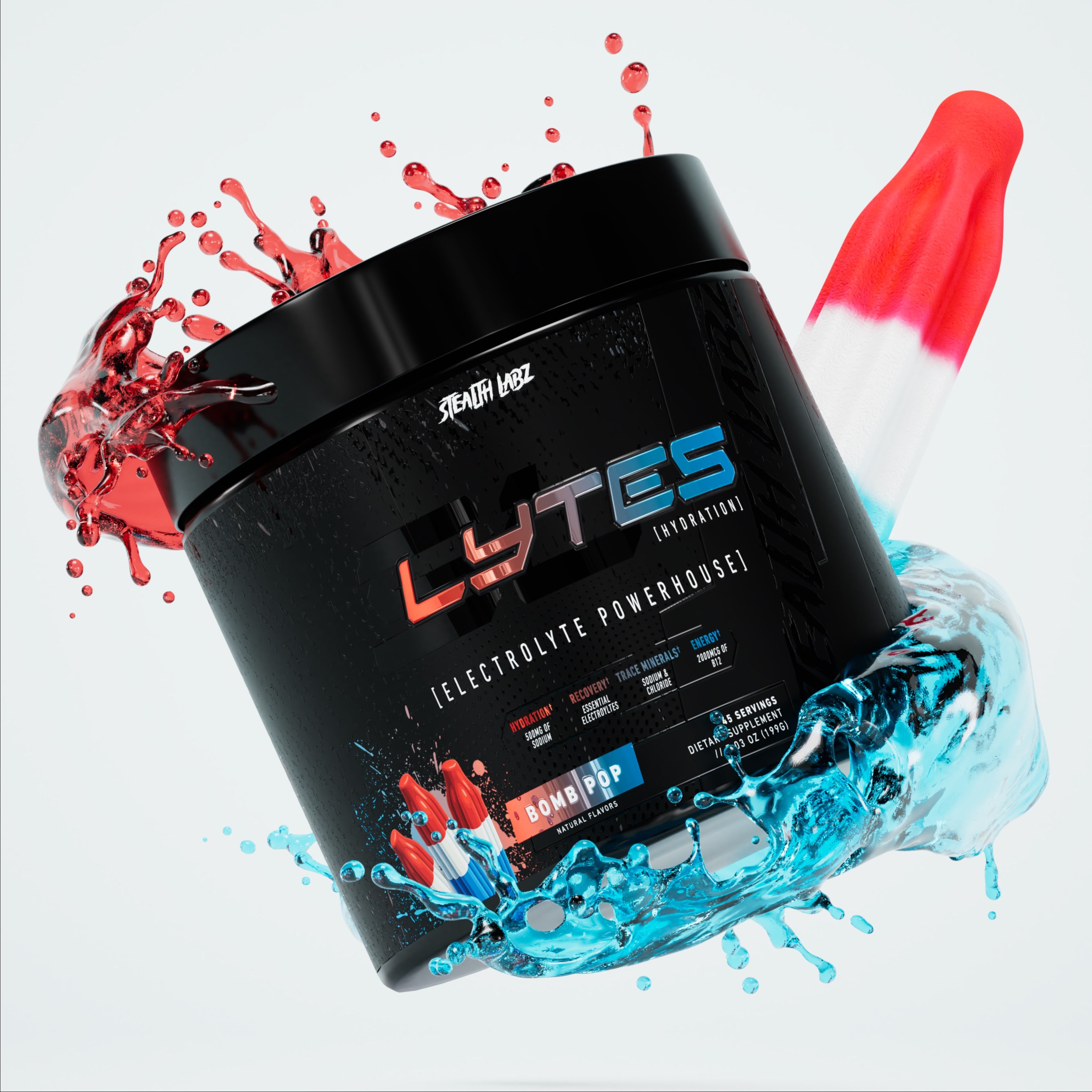
Hydration and electrolyte balance also matter for performance and recovery quality.
Practical Timeline: When Do You See Results?
-
Immediate “pump”: temporary blood and fluid shift, not real growth.
-
24–48 hours: elevated protein synthesis and repair.
-
Weeks to months: measurable increases in muscle size (beginners often notice changes faster; advanced lifters progress more slowly).
Consistency compounds. Most people need several weeks of progressive training plus adequate protein and sleep before visible changes appear.
Supporting Your Process with Smart Supplementation
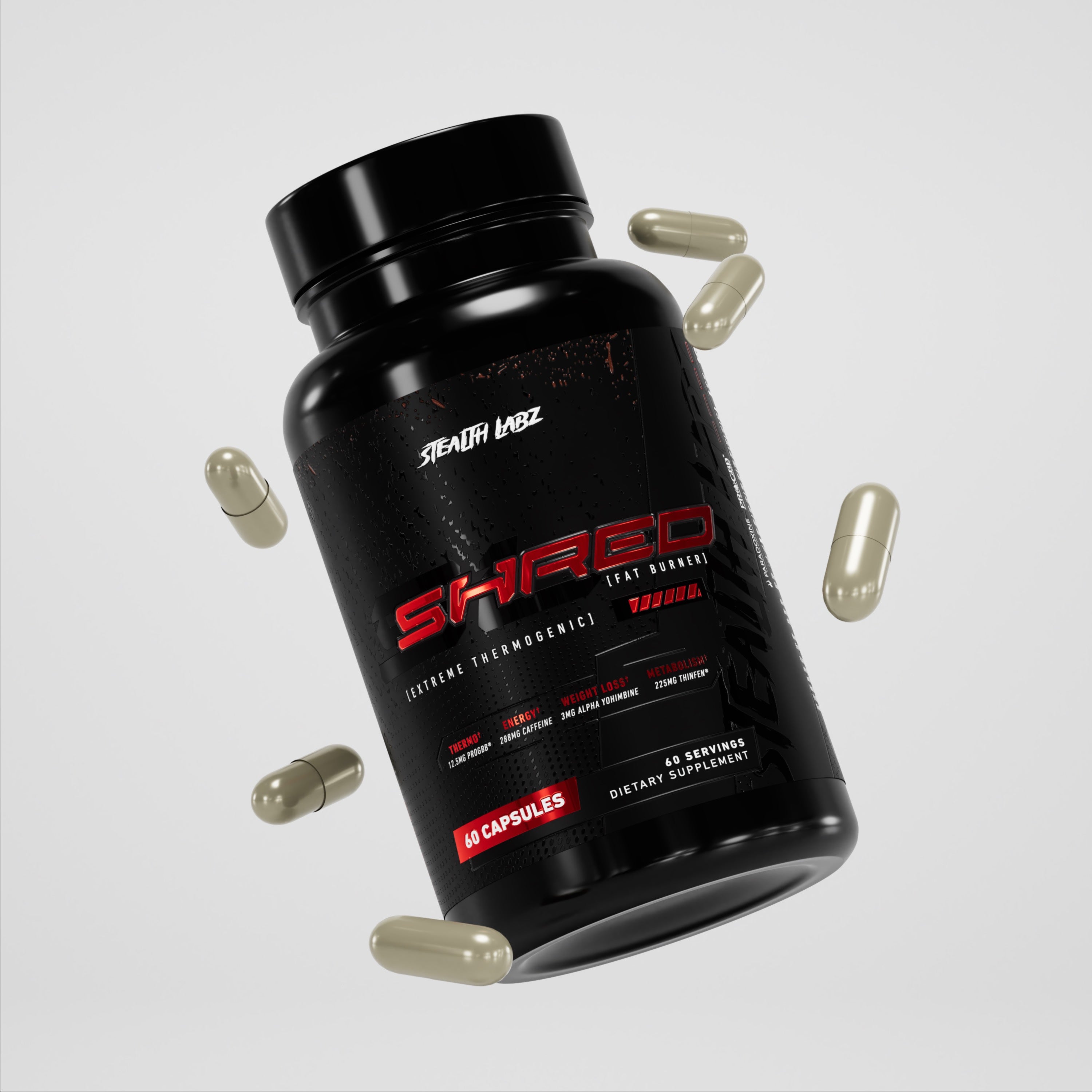
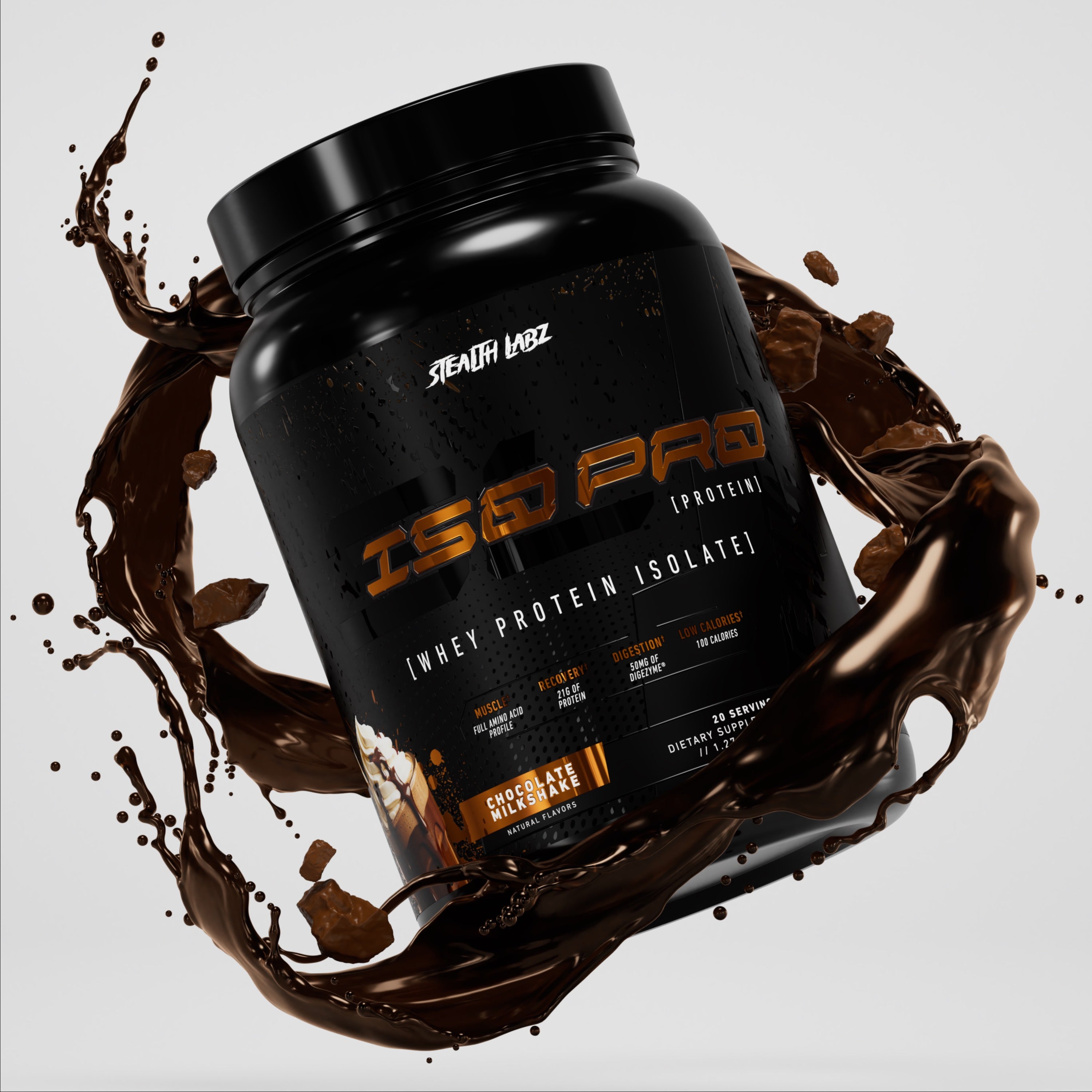
High-quality protein, essential amino acids, and recovery-focused products can make hitting daily targets easier. Explore options in our Best Supplements for Muscle Growth guide and the Muscle Building Stack.
Conclusion
Muscles grow after the workout through a clear sequence: mechanical tension creates the signal, satellite cells and protein synthesis rebuild the fibers larger and stronger, and recovery (sleep, nutrition, rest) allows the process to complete. Focus on progressive overload, hit your protein target, prioritize sleep, and stay consistent. The science is straightforward — apply it session after session and the results follow.
Frequently Asked Questions
Do muscles grow during rest days?
Yes. The repair and growth phase occurs primarily during recovery, not while you train.
How long does it take for muscles to grow after a workout?
Protein synthesis rises within hours and peaks around 24 hours. Visible size increases take weeks to months of consistent progressive training.
Is the post-workout pump real muscle growth?
No. The pump temporarily increased blood flow and fluid. Real growth comes from repeated cycles of tension + recovery.
Can you build muscle without heavy weights?
Yes. Lighter loads taken close to failure can produce similar hypertrophy when total tension and volume are sufficient.
Does sleep really affect muscle growth?
Yes. Poor sleep reduces recovery hormones and impairs protein synthesis. Aim for 7–9 hours of quality sleep.
How important is protein timing?
Total daily protein matters most. Consuming protein around workouts still helps, especially after fasted sessions.
Should I train the same muscle every day?
Most people benefit from 48 hours between hard sessions for the same muscle group. Frequency can be higher if volume per session is managed carefully.



Leave a comment
This site is protected by hCaptcha and the hCaptcha Privacy Policy and Terms of Service apply.