
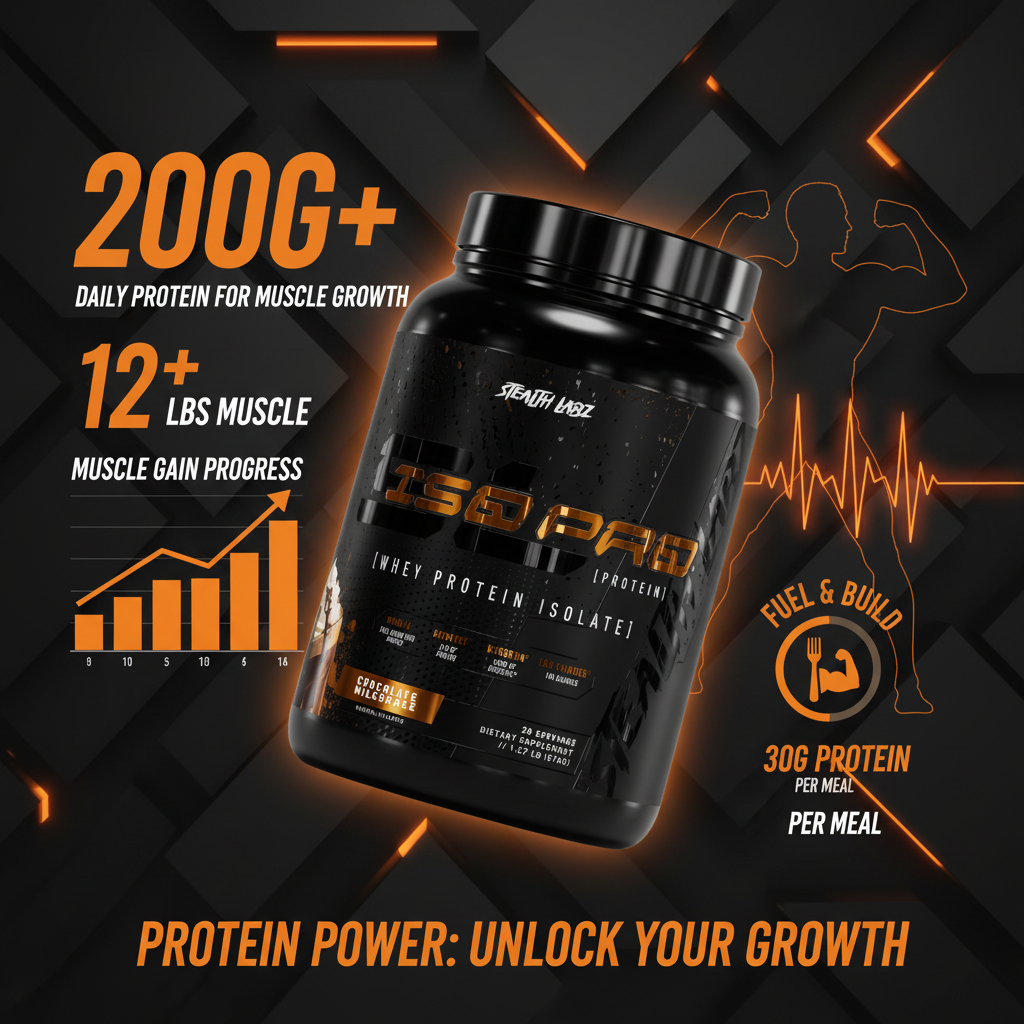
How Much Protein Do You Need to Build Muscle?
Most people actively training to build muscle need 0.7 -- 1 gram of protein per pound of bodyweight per day (roughly 1.6 -- 2.2 grams per kilogram), based on position statements from the International Society of Sports Nutrition. A 180 lb lifter falls in the 130–180 gram/day range. Going higher than that rarely adds extra muscle it just adds calories.
If you've ever stood in the gym listening to two guys argue about whether 120 grams or 250 grams of protein a day is "right," you've heard this debate before. Both numbers can be correct or both wrong depending on bodyweight, training experience, and goals. Here's the actual range, how to hit it, and what happens if you miss it in either direction.
The Protein Range, by Bodyweight
Use this table to find your target without doing the math yourself.
|
Bodyweight |
Daily Protein Target (0.7–1g/lb) |
In Kilograms (1.6–2.2g/kg) |
|
130 lb (59 kg) |
91–130 g |
94–130 g |
|
150 lb (68 kg) |
105–150 g |
109–150 g |
|
180 lb (82 kg) |
126–180 g |
131–180 g |
|
200 lb (91 kg) |
140–200 g |
146–200 g |
|
220 lb (100 kg) |
154–220 g |
160–220 g |
If you're new to lifting, aim for the lower end of your range — beginners see strong results without maxing it out. If you're intermediate-to-advanced or currently cutting calories, the higher end helps protect muscle mass.
Why Protein Actually Builds Muscle
Resistance training creates microscopic damage in muscle fibers. Protein supplies the amino acids your body uses to repair that damage and, over time, build the fibers back slightly thicker and stronger a process called muscle protein synthesis.
Unlike carbohydrate or fat, your body doesn't meaningfully store excess protein for later use, which is why consistent daily intake matters more than any single "perfect" meal.
A Real Day of Eating at ~150g Protein (180 lb Lifter)
|
Meal |
Food |
Protein |
|
Breakfast |
3 eggs + oatmeal + peanut butter |
~30g |
|
Snack |
Greek yogurt + almonds |
~20g |
|
Lunch |
Chicken breast + rice + broccoli |
~40g |
|
Post-workout |
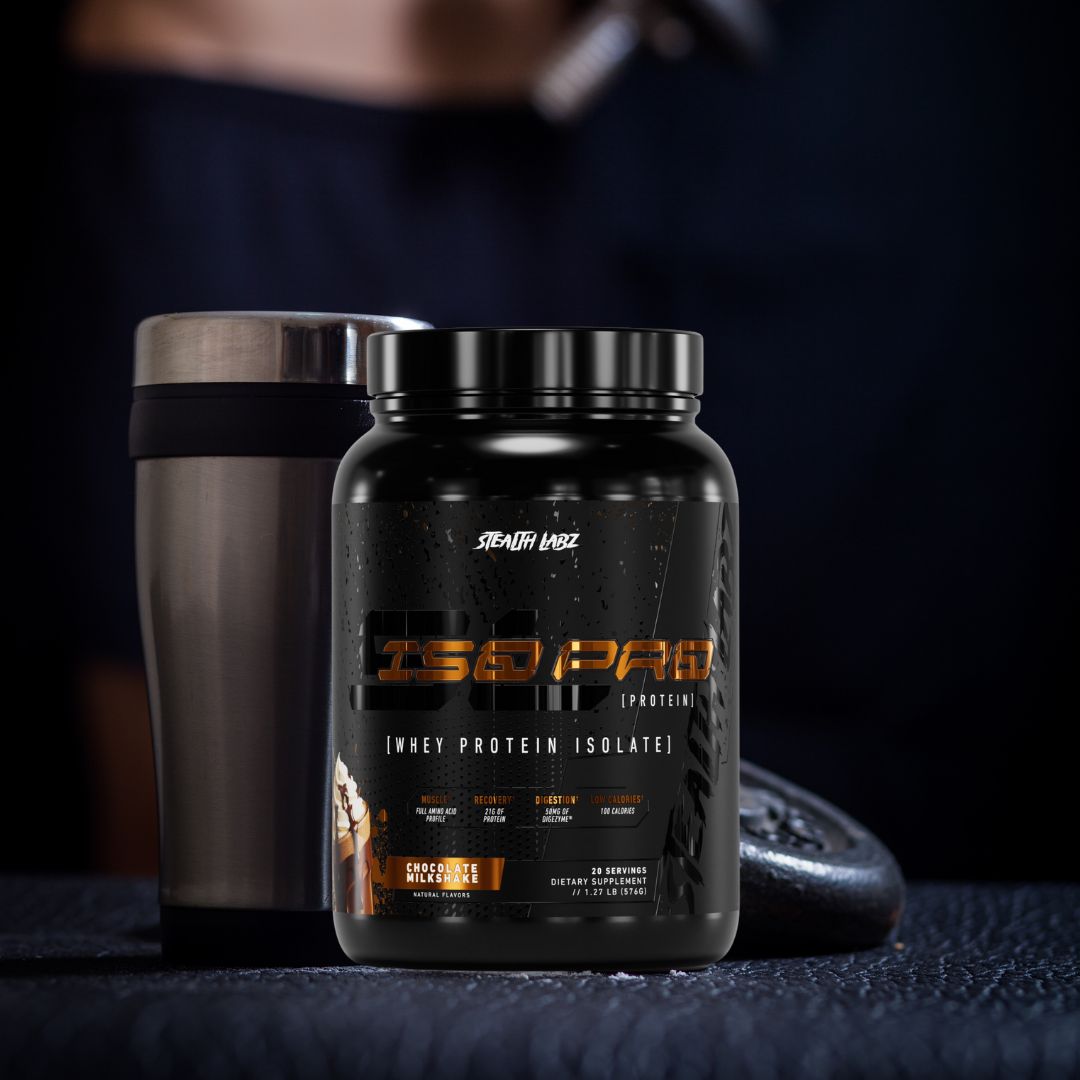
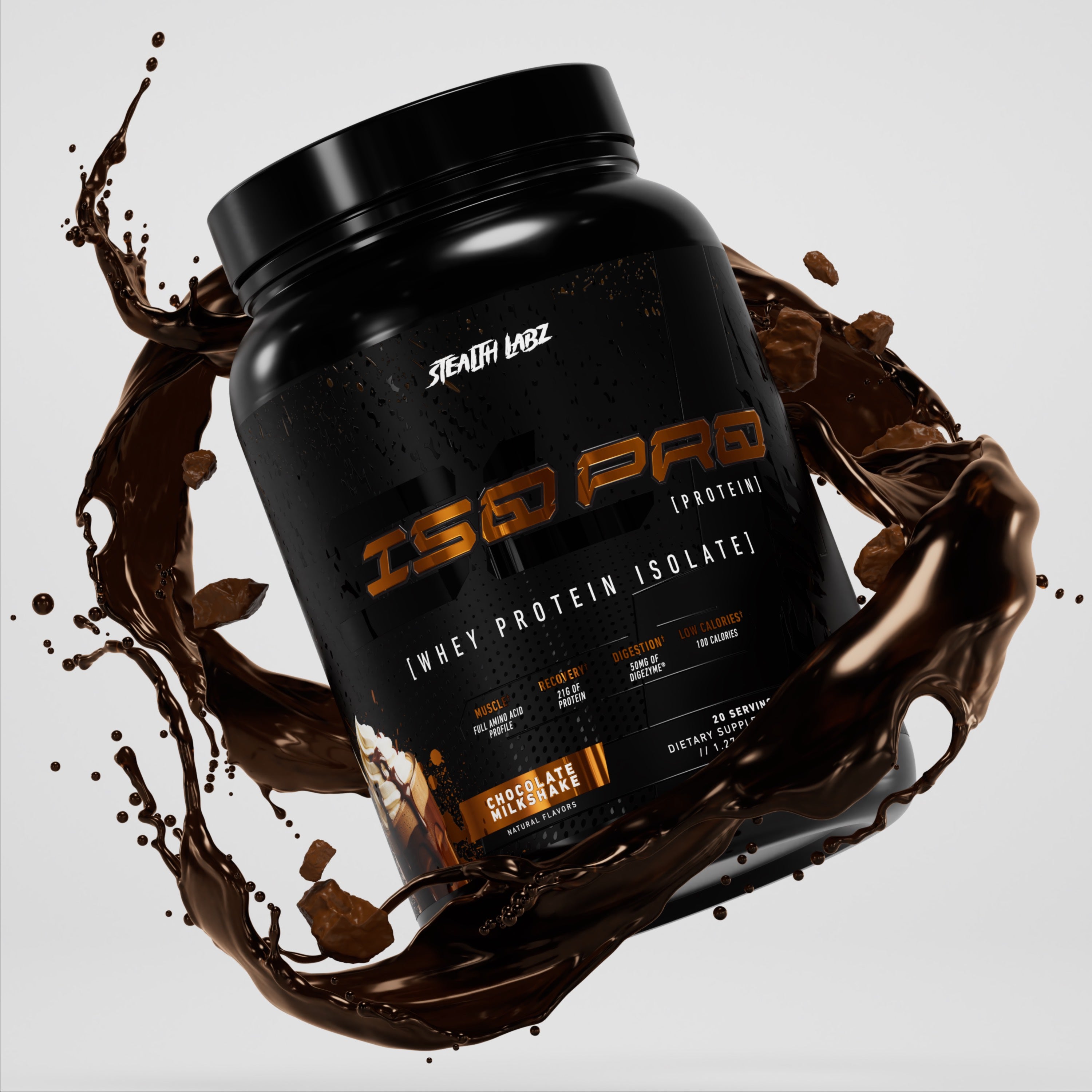
1 scoop Iso Pro whey protein isolate |
~25g |
|
Dinner |
Salmon + quinoa + vegetables |
~35g |
|
Total |
~150g |
That lands comfortably in the target range for a 180 lb lifter without a single meal feeling excessive.
What Happens If You Undershoot or Overshoot
Too little (well under 0.7g/lb): Recovery slows, soreness lingers longer than it should, and muscle growth stalls even if your training is solid. This is the more common mistake — most people underestimate their intake.
Too much (consistently over 250g+ for most bodyweights): Research hasn't shown extra muscle gain beyond roughly 1.6g/kg for most trained individuals. Protein does have a high thermic effect (your body burns more calories digesting it than fat or carbs), so it's not "wasted" from a calorie standpoint but it's not building additional muscle past that point either.
Do You Need a Protein Shake, or Can Food Alone Do It?
Food alone can absolutely get you there. A shake exists to solve a logistics problem, not a biology one hitting 150g+ daily from whole food means a lot of cooking, chewing, and planning.
One scoop of a fast-absorbing whey isolate like Iso Pro delivers roughly 25g of protein in under a minute, which is why most lifters use at least one shake a day to close the gap rather than replace meals entirely.
FAQs
Is it possible to eat too much protein for muscle growth?
You won't build more muscle past roughly 1g per pound of bodyweight, but healthy individuals don't typically face safety issues from higher protein diets either — it just becomes extra calories the body isn't using for growth.
Do I need more protein on rest days or just training days?
Keep intake consistent every day, including rest days. Muscle repair continues for 24–48 hours after a workout, so your body is still using that protein even when you're not in the gym.
Can I hit my protein goal from food alone, or do I need a shake?
Yes, food alone works, it just takes more planning. A shake is a convenience tool, not a requirement.
Does protein timing around workouts actually matter that much?
Total daily intake matters far more than exact timing. That said, having 20–30g within a couple of hours post-workout is a reasonable habit that makes hitting your daily total easier.
Can eating a huge amount of protein in one meal replace spreading it out?
Your body can use protein consumed in a large meal — the "you can only absorb 30g at once" claim isn't accurate — but spreading intake across 3–5 meals tends to make it easier to hit your daily target consistently.
Keep Building Your Stack
-
How Much Protein Do You Really Need (this article)
-
Best Muscle Building Supplement Stack for Beginners — how protein fits into a full stack
-
High Protein Supplement: What to Look for in a Protein Powder — choosing between isolate, concentrate, and blends
-
Whey Protein Isolate for Weight Loss — using protein while cutting
,%20based%20on%20position%20statements%20from%20the%20Internatio...)
Leave a comment
This site is protected by hCaptcha and the hCaptcha Privacy Policy and Terms of Service apply.