
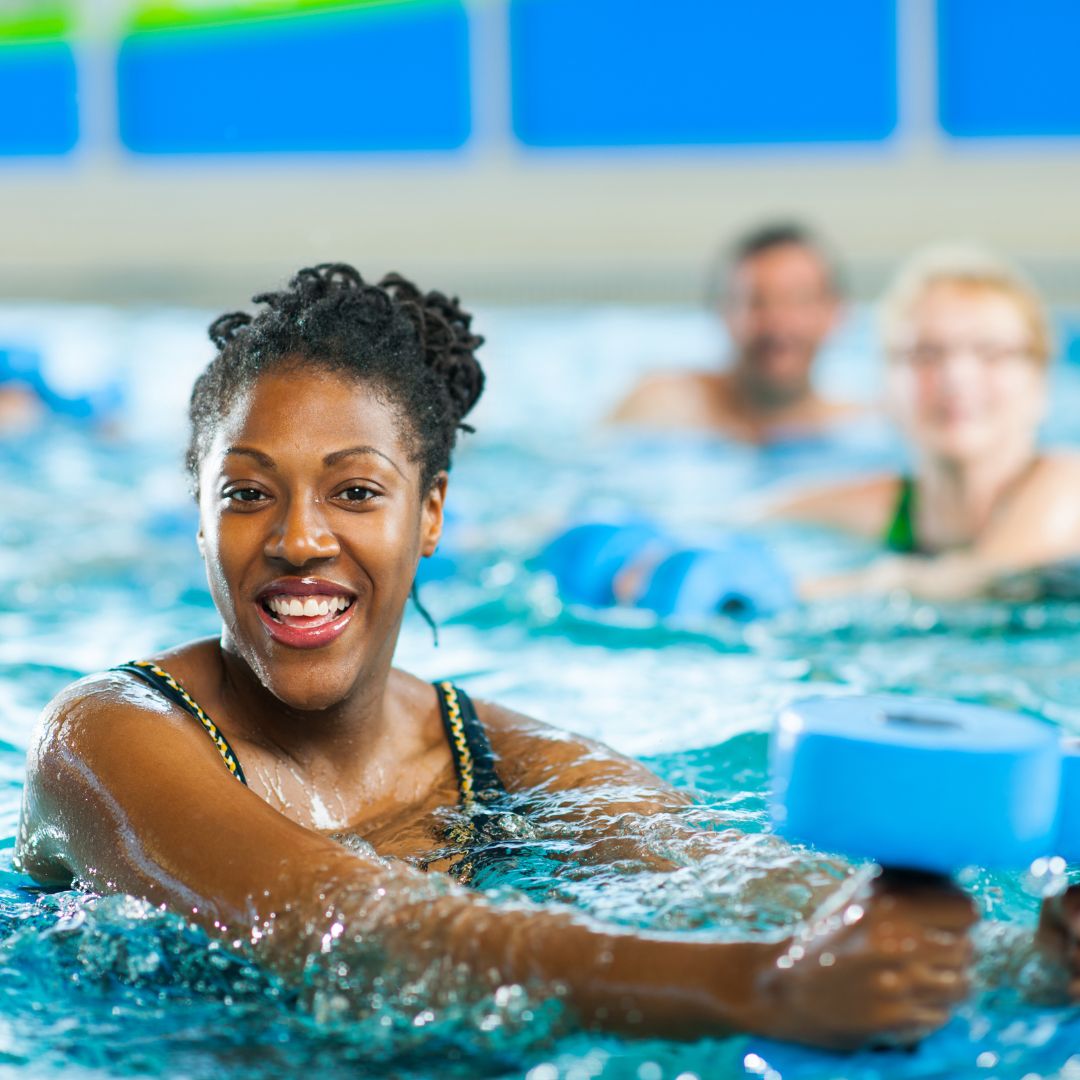
How to Add Swimming to Your Fitness Routine
Swimming is one of the most effective low-impact ways to improve cardiovascular fitness, build muscular endurance, and support recovery while protecting your joints. Unlike high-impact cardio, water resistance works nearly every major muscle group at once, making it an ideal complement to weight training or a complete standalone workout.
Whether you’re a beginner looking for a joint-friendly entry point or an experienced lifter wanting better recovery and balanced muscle development, adding swimming to your routine delivers measurable results without the wear and tear of running or intense HIIT.
This guide shows you exactly how to start, what techniques to use, how to structure sessions, and how to support your efforts with smart nutrition and recovery strategies.
Why Swimming Belongs in a Muscle-Focused Fitness Routine
Swimming delivers a unique combination of benefits that most land-based workouts cannot match:
-
Full-body resistance with zero joint stress — Water provides constant resistance in every direction. You strengthen the back, shoulders, core, glutes, and legs while buoyancy reduces load on knees, hips, and spine.
-
Improved cardiovascular capacity and recovery — Steady swimming elevates heart rate and builds aerobic base, helping you recover faster between heavy lifting sessions.
-
Muscle endurance and balance — Different strokes target stabilizers and secondary muscles often neglected in the gym, improving posture and reducing imbalance.
-
Calorie burn and body composition support — A 30-minute session can burn 250–450+ calories depending on intensity and body weight, while preserving lean muscle better than many forms of cardio.
-
Mental reset — The rhythmic nature of swimming lowers stress and improves focus, which supports consistency in the gym.
These advantages make swimming especially valuable for lifters dealing with joint discomfort, plateaus, or the need for active recovery. Pair it with proper protein intake and recovery support for even better results—see our guide on how much protein you need to build muscle.
How to Start Swimming as a Beginner (or Returning Swimmer)
You do not need perfect form on day one. Focus on consistency and gradual progression.
-
Assess your current ability
If you can swim continuous lengths safely, you can begin. If not, take a few adult lessons or start in the shallow end with basic floating and propulsion drills. -
Choose a convenient pool
Look for facilities with dedicated lap lanes and off-peak hours. Consistency beats perfection—pick a location you can reach 2–3 times per week. -
Get the right basic gear
-
Well-fitting swimsuit
-
Anti-fog goggles
-
Swim cap (optional but helpful for drag reduction and hair protection)
Optional tools later: kickboard, pull buoy, or fins for technique work. -
Start with short, manageable sessions
Begin with 20–30 minutes, 2–3 times per week. Rest at the wall as needed. Progress by adding distance or reducing rest before increasing intensity.
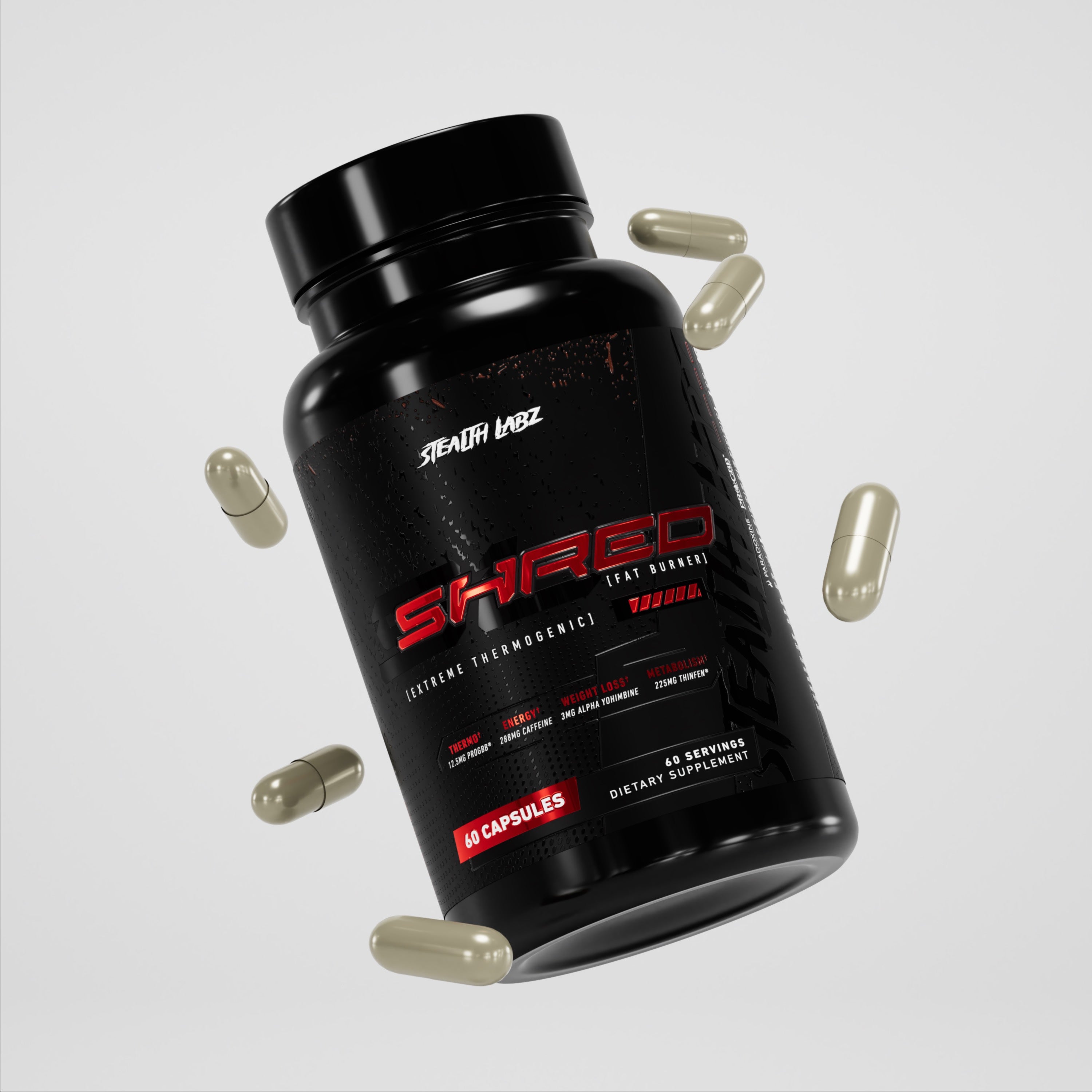
Fuel early sessions with a quality pre-workout for sustained energy—many athletes use Surge Pre-Workout 20–30 minutes before hitting the pool.
Essential Strokes and Technique Tips for Maximum Benefit
Mastering a few strokes keeps workouts varied and targets different muscle groups.
-
Freestyle (Front Crawl) — Highest calorie burn and best for overall endurance. Keep body streamlined, rotate from the hips, and breathe bilaterally when possible.
-
Breaststroke — Excellent for beginners and building lower-body power and core stability. Focus on a strong, simultaneous kick and long glide.
-
Backstroke — Great for posture and upper-back development. Keeps the spine in a neutral position and reduces shoulder strain for some swimmers.
-
Butterfly — Advanced and highly demanding; introduce only after you have solid freestyle and breaststroke technique.
Spend 5–10 minutes on technique drills each session (catch-up drills, single-arm freestyle, kickboard work). Efficient form reduces energy waste and lowers injury risk.
Sample Weekly Swimming Schedules That Fit a Training Split
Beginner (2–3 sessions)
-
Day 1: 20–25 min easy freestyle + breaststroke, rest as needed
-
Day 2 or 3: 25–30 min mixed strokes with short intervals (e.g., 4 × 50 m moderate effort)
Intermediate (3–4 sessions)
-
Include one longer aerobic swim (30–40 min continuous)
-
One interval session (e.g., 8 × 50 m or 4 × 100 m with short rest)
-
One technique/recovery swim
Integration with lifting
Swim on rest days or after lighter gym sessions for active recovery. Avoid heavy upper-body swimming the day before a major shoulder or back workout. For more on recovery-focused training days, check our active recovery workouts guide.
Track distance, time, and how you feel. Apps or a simple notebook work well. Celebrate consistency over perfect times.
Supporting Recovery, Muscle Growth, and Performance
Swimming creates real muscular demand. Support it the same way you support lifting:
-
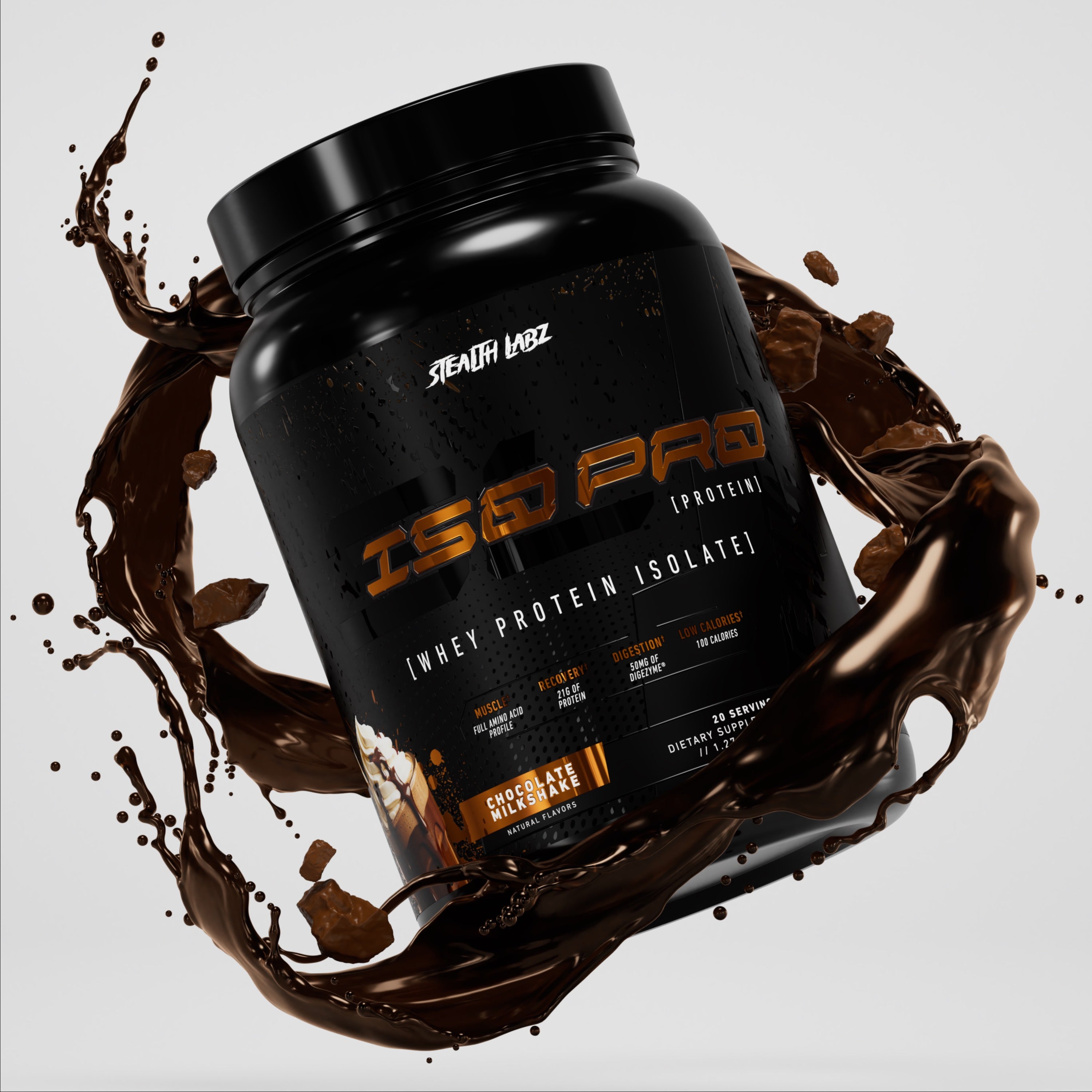
Protein — Aim for adequate daily intake to repair muscle tissue. A fast-absorbing isolate like Iso Pro Whey Protein Isolate post-swim accelerates recovery.
-
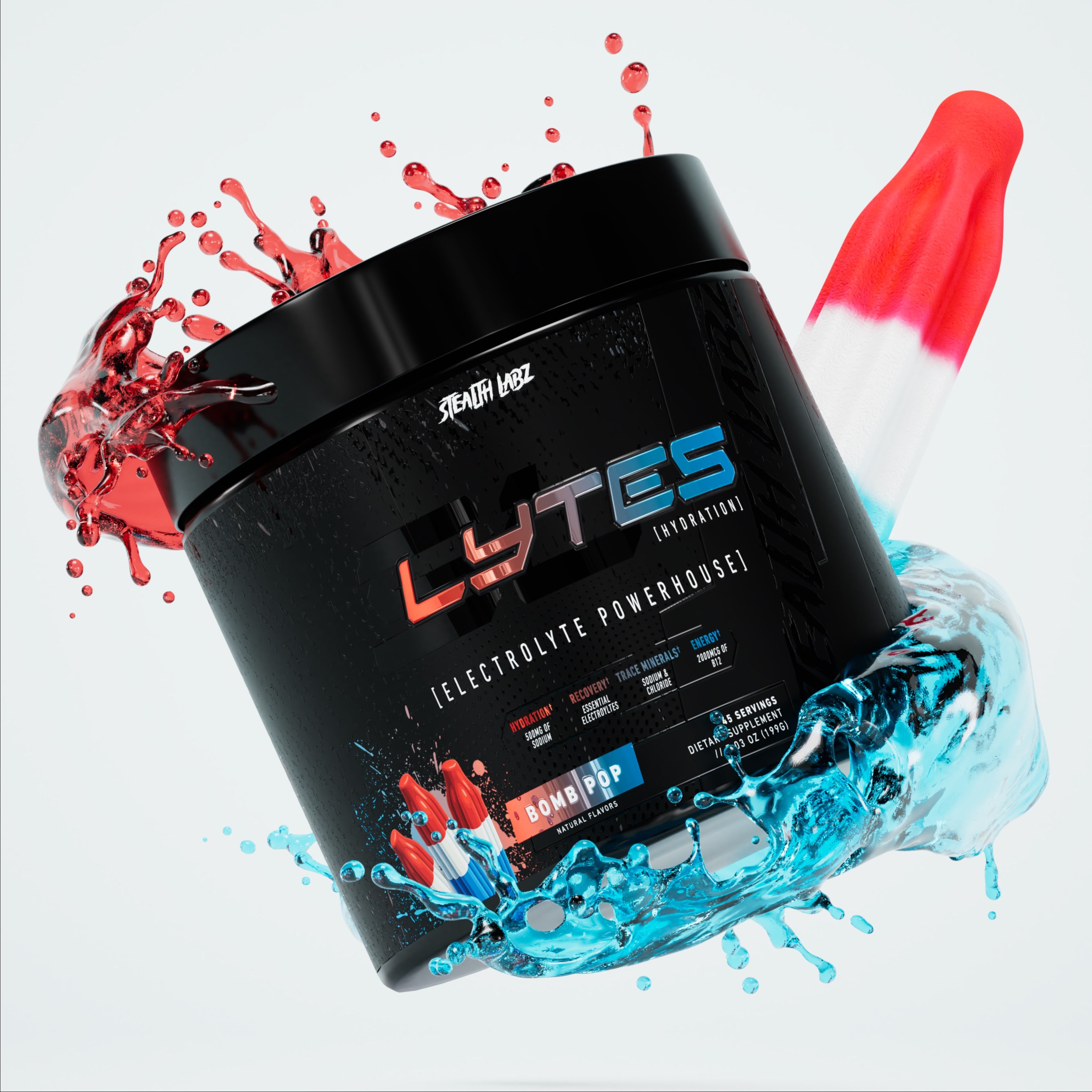
Hydration & electrolytes — Pool environments and sweat still deplete minerals. Use Lytes during or after longer sessions.
-
Amino acids — Elevate BCAA/EAAs can help reduce muscle breakdown during extended or frequent swims.
-
Energy for quality sessions — A well-formulated pre-workout supports focus and output without the crash that can affect technique.
Quality sleep remains non-negotiable for muscle repair—see how quality sleep maximizes muscle growth and recovery.
Tracking Progress and Staying Motivated
Set simple, measurable goals:
-
Swim continuous 200–400 m without stopping
-
Complete a set number of laps in under a target time
-
Add one extra session or increase duration by 5 minutes every 2–3 weeks
Log how your body feels in the gym (better shoulder mobility, less joint soreness, improved work capacity). These carryover benefits often appear before big changes on the scale.
Conclusion
Adding swimming to your fitness routine gives you a powerful, joint-friendly tool for better endurance, muscle balance, recovery, and overall health. Start with two short sessions per week, focus on consistent technique, and progressively increase volume or intensity. Support your efforts with solid nutrition, hydration, and recovery practices.
Consistency compounds. Dive in, stay patient with the learning curve, and use swimming as the low-impact accelerator that helps you train harder and recover smarter in the gym. Your body—and your long-term progress—will thank you.
Frequently Asked Questions
Is swimming enough to get fit by itself?
Yes for cardiovascular fitness, muscular endurance, and overall conditioning. For maximal muscle size and strength, combine it with resistance training 2–4 times per week.
How often should I swim to see results?
Most people notice improvements in energy, endurance, and body composition with 2–3 sessions of 30–45 minutes per week. Beginners can start with two shorter sessions and build up.
Can swimming help with weight loss?
Yes. It burns significant calories while preserving muscle. Pair it with a moderate calorie deficit and sufficient protein for best body-composition results.
Is swimming good for muscle growth?
Swimming builds muscular endurance and strengthens stabilizers, especially in the upper body, back, and core. It is excellent as a complement to lifting but is not a replacement for progressive resistance training if your primary goal is hypertrophy.
What if I have joint pain or am recovering from injury?
Swimming is often recommended precisely because of its low-impact nature. Start slowly, stay in a comfortable depth, and consult a healthcare professional if you have specific medical concerns.
How long should a beginner swim session last?
20–30 minutes is plenty at the start. Focus on continuous movement and proper breathing rather than distance. Increase duration only when form remains solid.
Should I swim before or after lifting?
Either works. Many lifters prefer swimming on rest days or after lighter sessions so heavy compound lifts remain priority. Listen to your recovery and adjust.
Do I need special supplements for swimming?
No supplements are required, but protein for recovery, electrolytes for hydration, and a quality pre-workout for energy can meaningfully improve session quality and results—especially if you train frequently.


Leave a comment
This site is protected by hCaptcha and the hCaptcha Privacy Policy and Terms of Service apply.