

Best Supplements to Build Muscle and Gain Strength
You've probably stood in front of a supplement wall or scrolled a Shopify store, or read a 40-comment Reddit thread trying to figure out which bottle actually moves the needle. Creatine, whey, BCAAs, pre-workout, mass gainers, "muscle builders" with a shirtless guy on the label. It's a lot, and most of it isn't necessary.
Here's the good news: the research on muscle growth supplements is actually pretty settled. A small handful of ingredients have real evidence behind them, and everything else is either marginal or marketing. This guide breaks down the best supplements to build muscle, what they actually do, how to use them, and how to build a stack that fits your training instead of your inbox full of ads.
Shop the Muscle Building Stack →
Do You Even Need Supplements to Build Muscle?
Short answer: no — but they help. Across fitness forums and coaching communities, this is the most repeated (and correct) piece of advice: supplements don't build muscle, training in a progressive overload program combined with enough protein and sleep does.
What supplements do is close small gaps hitting your protein target on a busy day, training a little harder because you're not gassed, or recovering a little faster between sessions.
If your diet and training aren't dialed in yet, that's the highest-leverage place to start. Once they are, the supplements below are where the real (if modest) gains come from.

The Best Supplements to Build Muscle, Ranked by Evidence
1. Whey Protein — The Non-Negotiable
Protein intake is the single biggest supplement-related variable in muscle growth, and whey protein is simply the most convenient way to hit your daily number. It digests fast, delivers a complete amino acid profile, and is easy to fit around workouts, meals, or a busy schedule.
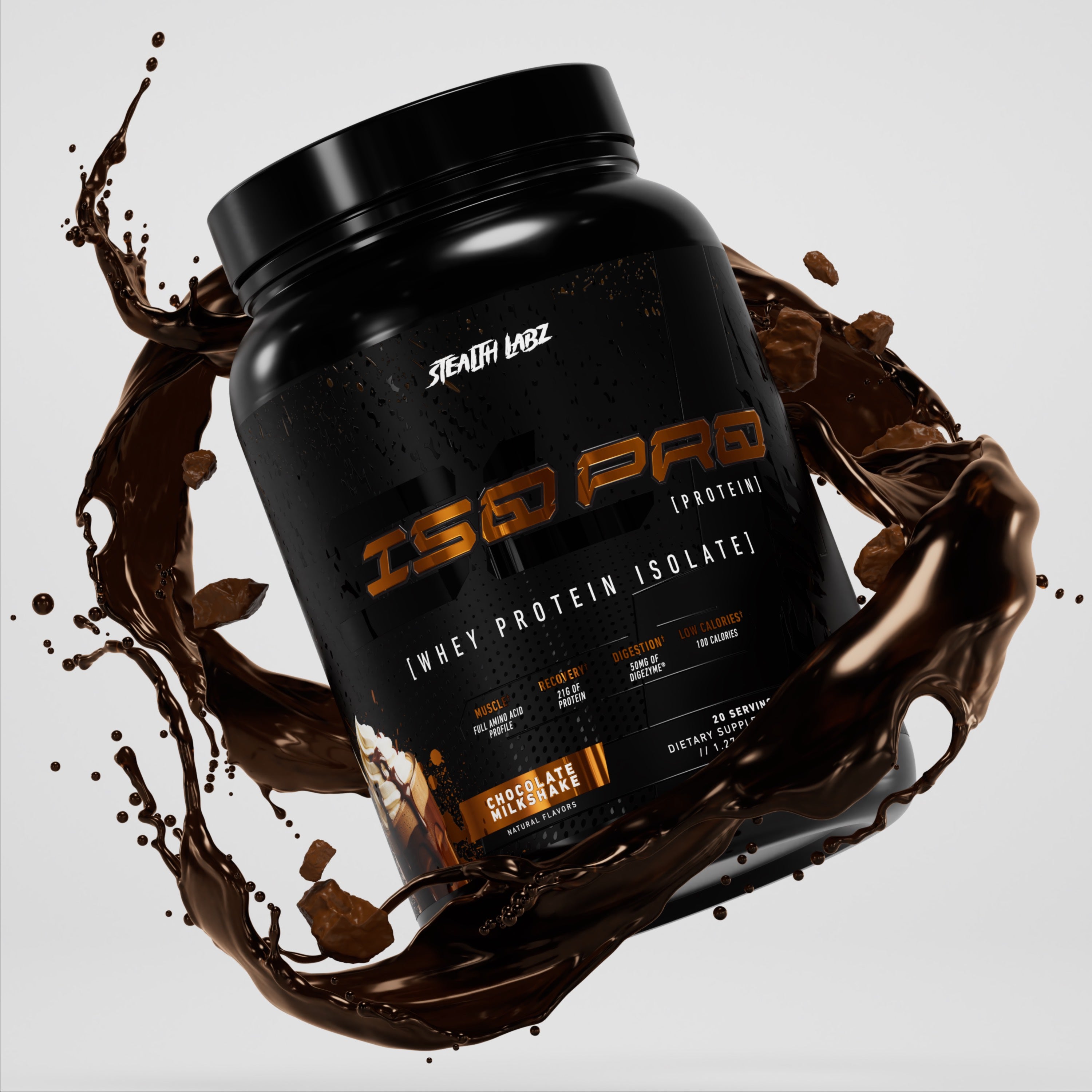
ISO PRO – Whey Protein Isolate is built for exactly this: a fast-absorbing isolate with minimal lactose and fat, so it mixes clean and digests easily post-workout. If you want the deeper breakdown of isolate vs. concentrate, we cover it in Whey Protein Isolate vs Concentrate: Ultimate Muscle-Building Showdown.
Why it works: Protein provides the amino acids muscle protein synthesis needs after training. Without enough protein, extra training volume has less to build with.
2. Creatine Monohydrate — The Most Researched Supplement in Sports Nutrition
If you only add one supplement to your routine, most coaches and the research agree it should be creatine. It's inexpensive, extremely well-studied, and consistently shows measurable gains in strength, power output, and lean mass over time.
Why it works: Creatine increases the muscle's phosphocreatine stores, which fuels short, powerful efforts — meaning more reps, more weight, and more training stimulus over weeks and months.
How to use it: 3–5g daily, any time of day, taken consistently. Timing matters far less than daily consistency — a mistake beginners often make is cycling on and off or skipping days, which blunts the saturation effect that makes creatine work.
3. BCAAs / EAAs — Recovery Between Sessions
Branched-chain and essential amino acids won't out-perform a solid protein intake, but they're genuinely useful for reducing soreness and supporting recovery — especially if you're training in a calorie deficit or doing back-to-back sessions.
ELEVATE – BCAA/EAA Plus combines a full amino acid profile with electrolytes to support muscle recovery, hydration, and focus during training — a common pairing with a protein-and-creatine base.
4. Pre-Workout (Caffeine + Beta-Alanine) — Train Harder, Not Just Longer
Caffeine and beta-alanine are the two active ingredients in most pre-workouts with real evidence behind them — caffeine for focus and perceived effort, beta-alanine for buffering fatigue in longer sets. Neither one builds muscle directly; they help you get more out of the training session that does.
Surge – Pre Workout is formulated around this combination for sustained energy and training intensity without a hard crash.
5. Electrolytes — The Overlooked Recovery Piece
Dehydration reduces training output and slows recovery, which quietly limits muscle growth even when everything else is dialed in. This is especially relevant if you sweat heavily, train fasted, or train in a hot climate.
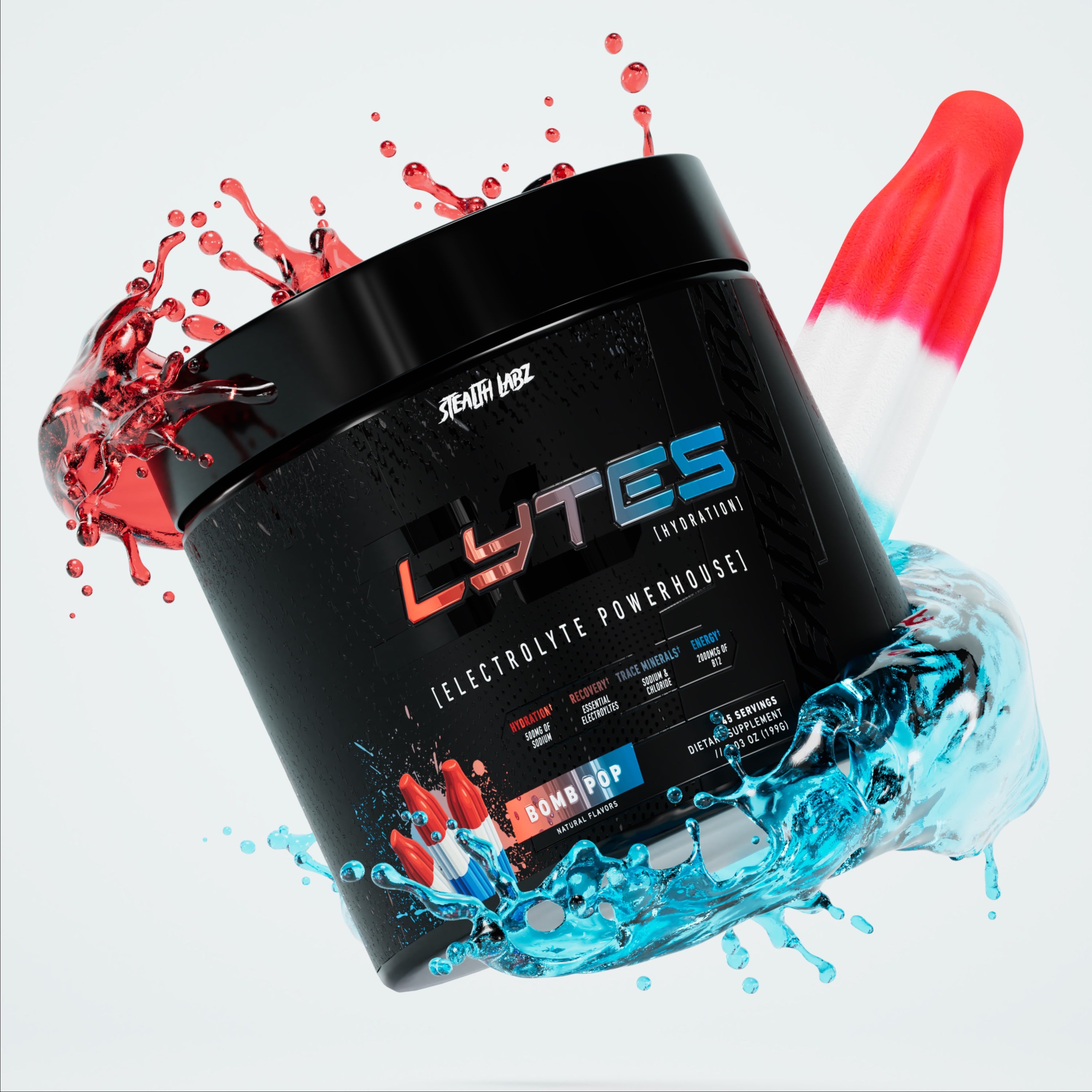
Lytes – Electrolyte Powerhouse replaces what's lost in sweat and supports fluid balance so the rest of your stack can actually do its job.
Supplements That Are "Nice to Have" (Not Essential)
A few ingredients come up constantly in muscle-building discussions but have thinner or more situational evidence:
-
Fish oil (Omega-3s): May support joint health and modestly reduce inflammation — useful for general health, not a primary muscle-growth driver.
-
Vitamin D: Important if you're deficient (common in people who train indoors year-round), but supplementing won't help if your levels are already normal.
-
Zinc & Magnesium: Support recovery and sleep quality, particularly useful if your diet is limited, but not a substitute for the core three (protein, creatine, and training volume).
Treat these as fine-tuning, not foundation.
How to Build a Muscle-Building Supplement Stack
A common question people ask when comparing individual products is whether they need all of them at once, or just one or two. The honest answer: start with the fundamentals, then add based on what your training actually demands.
Recommended Stack for Most Lifters:
|
Goal |
Supplement |
When to Take |
|
Hit daily protein target |
ISO PRO (whey isolate) |
Post-workout or between meals |
|
Build strength & lean mass over time |
Creatine monohydrate |
Daily, any time |
|
Reduce soreness, support recovery |
ELEVATE (BCAA/EAA) |
Intra-workout or post-workout |
|
Train with more energy & intensity |
Surge Pre-Workout |
20–30 minutes pre-training |
|
Prevent cramps & fatigue from dehydration |
Lytes (Electrolytes) |
Around training or hot days |
Explore the full Muscle Building Stack → for a pre-bundled version of this exact approach.
Common Mistakes People Make With Muscle-Building Supplements
Across coaching forums and community discussions, the same mistakes come up again and again:
-
Expecting supplements to replace training volume or diet. Supplements amplify a good program they don't create one.
-
Under-eating. No supplement stack outworks a calorie deficit when the goal is building size.
-
Skipping creatine because of water-retention myths. The "bloating" concern is minor and temporary for most people, and the strength benefits are well documented.
-
Constantly switching products. Consistency matters more than finding the "perfect" brand give a stack 6–8 weeks before judging it.
-
Ignoring recovery. Sleep and hydration affect muscle growth as much as any supplement on this list.
Pros, Cons & Safety Tips
Pros: Convenient way to hit protein targets, well-researched strength benefits from creatine, improved training intensity, and better recovery between sessions.
Cons: Supplements cost money and won't fix a poor diet or inconsistent training. Some people experience mild digestive adjustment when starting a new protein powder, or caffeine sensitivity from pre-workout start with a lower serving and assess tolerance.
Always consult a doctor before starting any new supplement, particularly if you're pregnant, nursing, or managing a health condition.
Frequently Asked Questions
What are the best supplements to build muscle?
Whey protein and creatine monohydrate have the strongest evidence and the biggest overall impact. BCAA/EAA blends, a caffeine-based pre-workout, and electrolytes are useful additions once your protein and training are consistent.
Do I really need supplements to build muscle?
No — muscle growth ultimately comes from progressive training, enough protein, and recovery. Supplements make it easier to hit those targets consistently, especially on busy days.
Is whey protein necessary, or can I get enough protein from food?
You can build muscle from whole-food protein alone. Whey protein is simply a fast, convenient, lower-calorie way to close the gap when your diet falls short.
What's the single best supplement for beginners?
Creatine monohydrate is usually the top recommendation — it's inexpensive, safe for most healthy adults, and has the largest volume of research behind it for strength and lean mass.
How long until I see results from a muscle-building supplement stack?
Most people notice better training energy and recovery within 1–2 weeks. Visible muscle growth typically takes 8–12 weeks of consistent training and nutrition, with supplements supporting — not replacing — that timeline.
Can I take whey protein, creatine, and BCAAs on the same day?
Yes. These have no meaningful interactions and are commonly stacked together — protein for amino acid intake, creatine for strength, and BCAA/EAA for recovery support around training.
Read More on Stealth Labz Blogs
-
Muscle Growth Strategies — More guides on training and building size.
-
Best Muscle Recovery Supplements for Men in 2026 — Pair recovery with your muscle-building stack.
-
When to Eat Before or After a Workout for Muscle Gain — Nutrition timing to complement your supplements.
Final Thoughts
The best supplements to build muscle aren't the flashiest ones on the shelf — they're the small, well-researched list: protein to hit your daily target, creatine to build strength over time, and recovery support (aminos, hydration, and smart pre-workout energy) to keep you training consistently. Everything else is optional fine-tuning.
Start with ISO PRO for protein, add creatine and ELEVATE for recovery, and fuel your sessions with Surge Pre-Workout — or skip the guesswork entirely.
Shop the Muscle Building Stack → and build your routine around what actually works



Leave a comment
This site is protected by hCaptcha and the hCaptcha Privacy Policy and Terms of Service apply.