
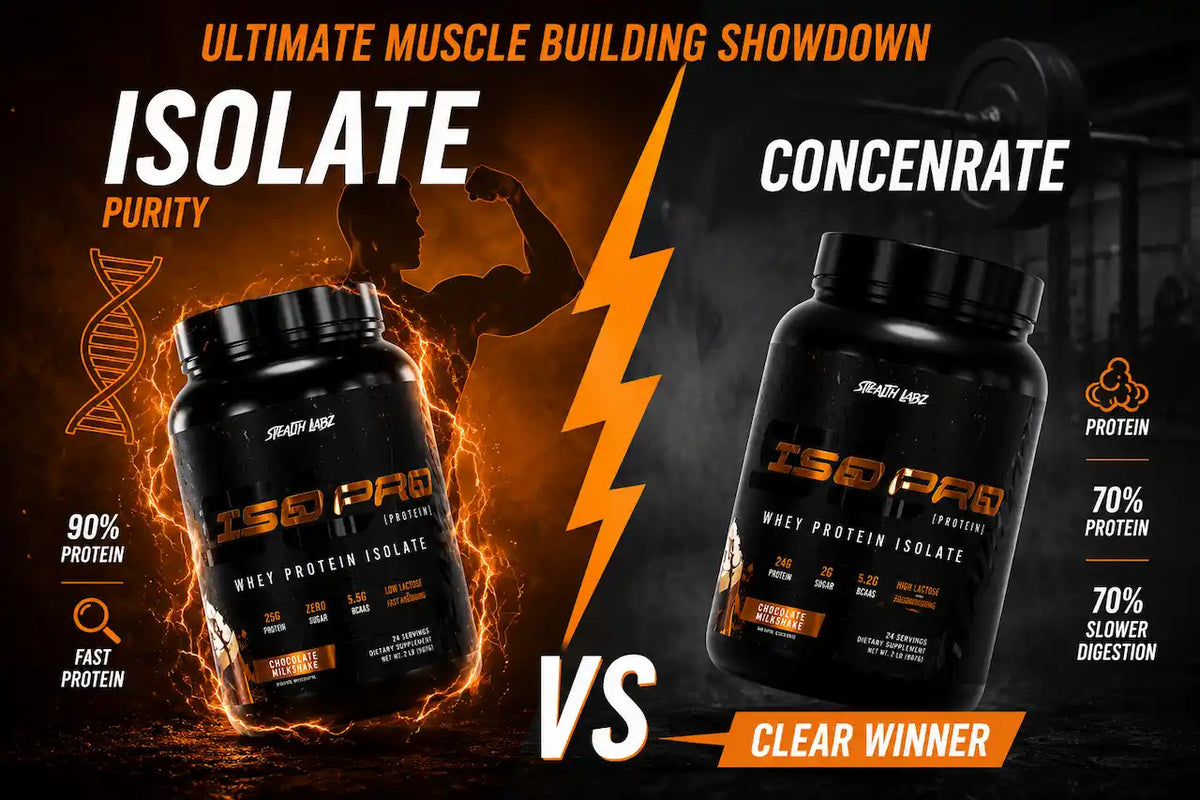
Whey Protein Isolate Vs Concentrate: Ultimate Muscle-Building Showdown
Whey protein isolate and whey protein concentrate both come from the same source milk and both deliver high-quality protein that supports muscle growth and recovery. The difference between them is not about which one works and which one does not. It is about which one works better for your specific goal, dietary needs, and budget.
We break down the comparison across every variable that matters: protein content per serving, lactose and fat levels, absorption speed, digestion tolerance, cost, and which training scenarios each one is built for. By the end of this guide, the right choice for your situation will be clear.
What Whey Protein Actually Is and Where Both Forms Come From
Whey protein is a byproduct of cheese production when milk is processed, it separates into curds and liquid whey. That liquid whey is filtered, dried, and processed into the protein powder used in supplements. Both isolate and concentrate start from the same liquid whey. The processing that happens after separation is what creates the difference between them.
Whey concentrate undergoes basic filtration, retaining more of the naturally occurring fats, lactose, and bioactive compounds alongside the protein. Whey isolate undergoes additional filtration typically microfiltration or ion exchange removing most of the fat and lactose and producing a higher-concentration protein powder. Understanding this processing difference explains every other difference between the two forms.
Why Whey Protein Is the Most Effective Supplement for Muscle Recovery
Whey protein has the highest biological value of any protein source meaning the body absorbs and utilizes a greater proportion of whey protein than it does from other dietary proteins, including casein, soy, and egg white. This is driven by its amino acid profile, which is rich in leucine the amino acid most directly responsible for triggering muscle protein synthesis.
For athletes, this means whey protein consumed in the post-workout window reaches muscle tissue faster and stimulates repair more effectively than slower-digesting proteins. Both isolate and concentrate share this fundamental advantage. The question is which form delivers it more effectively for your specific dietary situation and training goal.
Whey Protein Isolate vs Concentrate: Full Side-by-Side Comparison
|
Feature |
Whey Protein Isolate |
Whey Protein Concentrate |
|
Protein per serving |
90%+ protein by weight |
70–80% protein by weight |
|
Lactose content |
Near zero safe for most lactose-sensitive users |
Moderate may cause bloating in sensitive individuals |
|
Fat content |
Minimal |
Higher contributes to creamier texture |
|
Carbohydrates |
Very low |
Moderate |
|
Absorption speed |
Faster minimal digestive load |
Slightly slower due to fat and lactose content |
|
Bioactive compounds |
Lower most removed during filtration |
Higher retains immunoglobulins and lactoferrin |
|
Digestive tolerance |
High suitable for sensitive stomachs |
Moderate may not suit lactose-intolerant users |
|
Price per serving |
Higher due to additional processing |
More affordable |
|
Best for |
Cutting, lactose sensitivity, post-workout recovery |
Bulking, budget-conscious athletes, beginners |
|
Taste and texture |
Lighter, cleaner mouthfeel |
Creamier, richer flavor |
The protein content gap is the most important number in this table. At 90%+ vs 70–80% protein by weight, isolate delivers meaningfully more protein per gram of powder which matters most for athletes managing caloric intake or targeting specific daily protein targets without overshooting fat and carbohydrate intake.
Whey Protein Isolate: What It Delivers and Who It Is For
Whey protein isolate is the right choice when protein purity and digestive tolerance are the priority. The additional filtration step produces a powder that is approximately 90% protein by weight, with negligible lactose and fat making it the most calorie-efficient protein source available in supplement form.
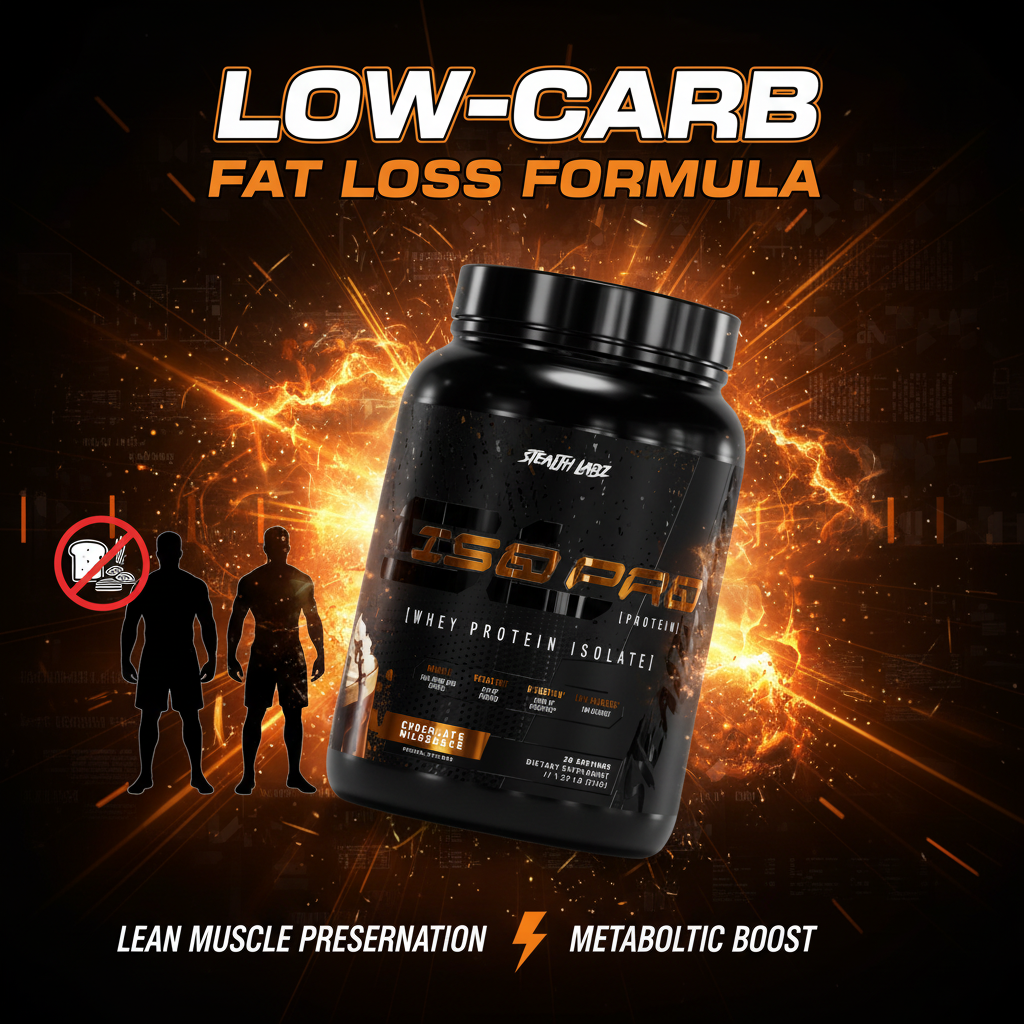
For athletes in a caloric deficit or cutting phase, this matters significantly. Every gram of fat and carbohydrate in a concentrate serving occupies macronutrient budget that could otherwise go toward additional protein or food. Isolate removes that trade-off.
For lactose-sensitive athletes, isolate is the clearer choice near-zero lactose content means no bloating, no digestive discomfort, and no disrupted recovery window from gastrointestinal issues that sideline training.
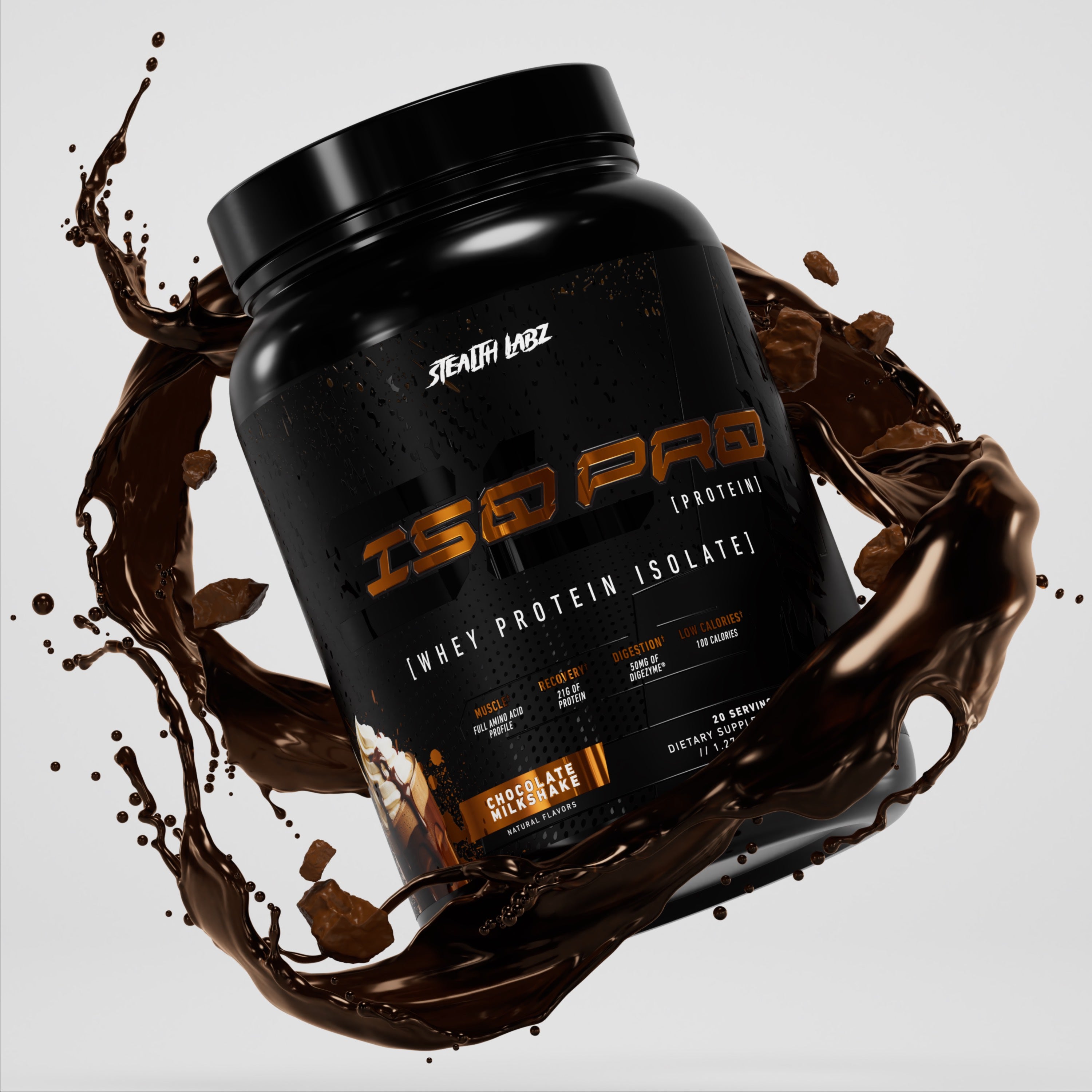
Our ISO PRO Whey Protein Isolate is formulated with high protein content per serving, added digestive enzymes for enhanced absorption, and no proprietary blends every ingredient and amount disclosed on the label. It is the isolate we recommend for athletes in any phase where lean protein delivery and digestive tolerance are the priority.
Whey Protein Concentrate: What It Delivers and Who It Is For
Whey protein concentrate is the right choice when budget, taste preference, and overall nutritional support are the priority. The less-intensive filtration process retains naturally occurring fats, carbohydrates, and bioactive compounds including immunoglobulins and lactoferrin that are largely removed during isolate processing.
For athletes in a caloric surplus or bulking phase, the additional calories from fat and carbohydrates in concentrate are less of a concern and can actually be beneficial for hitting daily caloric targets. The creamier texture and richer flavor also make concentrate easier to consume consistently which matters for athletes who struggle with the taste of higher-purity protein powders.
For beginners who are not yet managing macros precisely, concentrate provides a forgiving, cost-effective introduction to protein supplementation without sacrificing the core benefit of post-workout amino acid delivery.
Cost Comparison: What You Are Actually Paying For
The price difference between isolate and concentrate is real and consistent across the market isolate costs more because it requires additional processing steps that increase manufacturing cost. Whether that price difference is worth it depends entirely on your training goal.
For athletes in a cutting phase, lactose-sensitive users, or anyone prioritizing maximum protein per calorie, the premium for isolate is justified you get meaningfully more usable protein per gram and a digestive profile that concentrate cannot match.
For athletes in a bulk, beginners building their first supplement stack, or anyone on a tighter budget who tolerates dairy well, concentrate delivers the core benefit quality protein for muscle repair at a lower cost per serving.
The decision is not which one is objectively better. It is which one matches your current goal and budget.
Pros and Cons: Honest Assessment of Both Forms
|
Whey Protein Isolate |
Whey Protein Concentrate |
|
|
Pros |
Higher protein per gram |
More affordable per serving |
|
Near-zero lactose suits sensitive stomachs |
Creamier texture and richer flavor |
|
|
Fast absorption for post-workout window |
Retains bioactive compounds |
|
|
Ideal for cutting and calorie-controlled diets |
Good fit for bulking or maintenance phases |
|
|
Lower digestive load |
Better option for beginners |
|
|
Cons |
Higher cost per serving |
May cause bloating in lactose-sensitive users |
|
Lighter texture less satisfying to some |
Lower protein per gram of powder |
|
|
Fewer naturally occurring milk compounds |
Slower digestion than isolate |
Neither form has an absolute advantage. The right choice depends on which column of pros matches your current training phase and dietary situation.
Which One Should You Choose? Decision Framework by Training Goa
Choose whey protein isolate if:
-
You are in a cutting or caloric deficit phase and need maximum protein per calorie
-
You are lactose-sensitive or experience bloating from concentrate
-
You train twice daily or need fast absorption between sessions
-
You are managing macros precisely and cannot afford the fat and carb overhead of concentrate
Choose whey protein concentrate if:
-
You are bulking and the additional calories from fat and carbohydrates support your surplus
-
Budget is a constraint and you tolerate dairy well
-
You are new to protein supplementation and want a forgiving, cost-effective starting point
-
Taste and texture consistency matter for daily adherence
If you are unsure: default to isolate. The digestive tolerance advantage and higher protein density make it the more versatile choice across training phases. Isolate works during a bulk just as well as a cut concentrate does not work as cleanly during a cut as it does during a bulk.
Timing: When to Take Whey Protein Isolate vs Concentrate
Timing recommendations differ slightly between the two forms based on their absorption profiles.
Whey protein isolate best used:
-
Immediately post-workout (within 30–60 minutes) when fast amino acid delivery to muscle tissue matters most
-
First thing in the morning to break the overnight fast quickly
-
Between meals when a high-protein, low-calorie snack is needed without disrupting macros
Whey protein concentrate best used:
-
Post-workout for athletes not in a caloric deficit, where the additional fat and carbs are acceptable
-
As part of a meal or smoothie where the richer taste and texture improve overall consumption
-
Before bed for athletes who want a slower-digesting option the natural fat content slightly slows absorption, providing a more sustained amino acid release
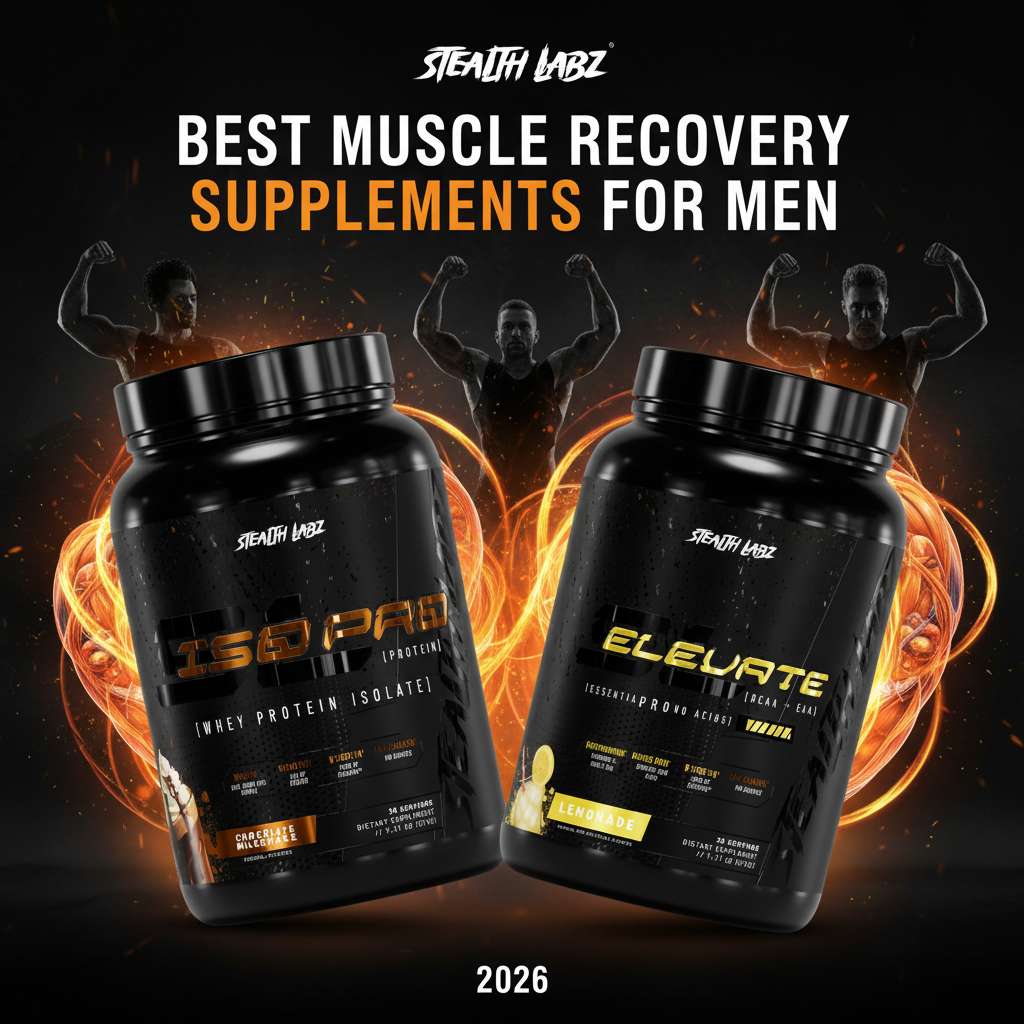
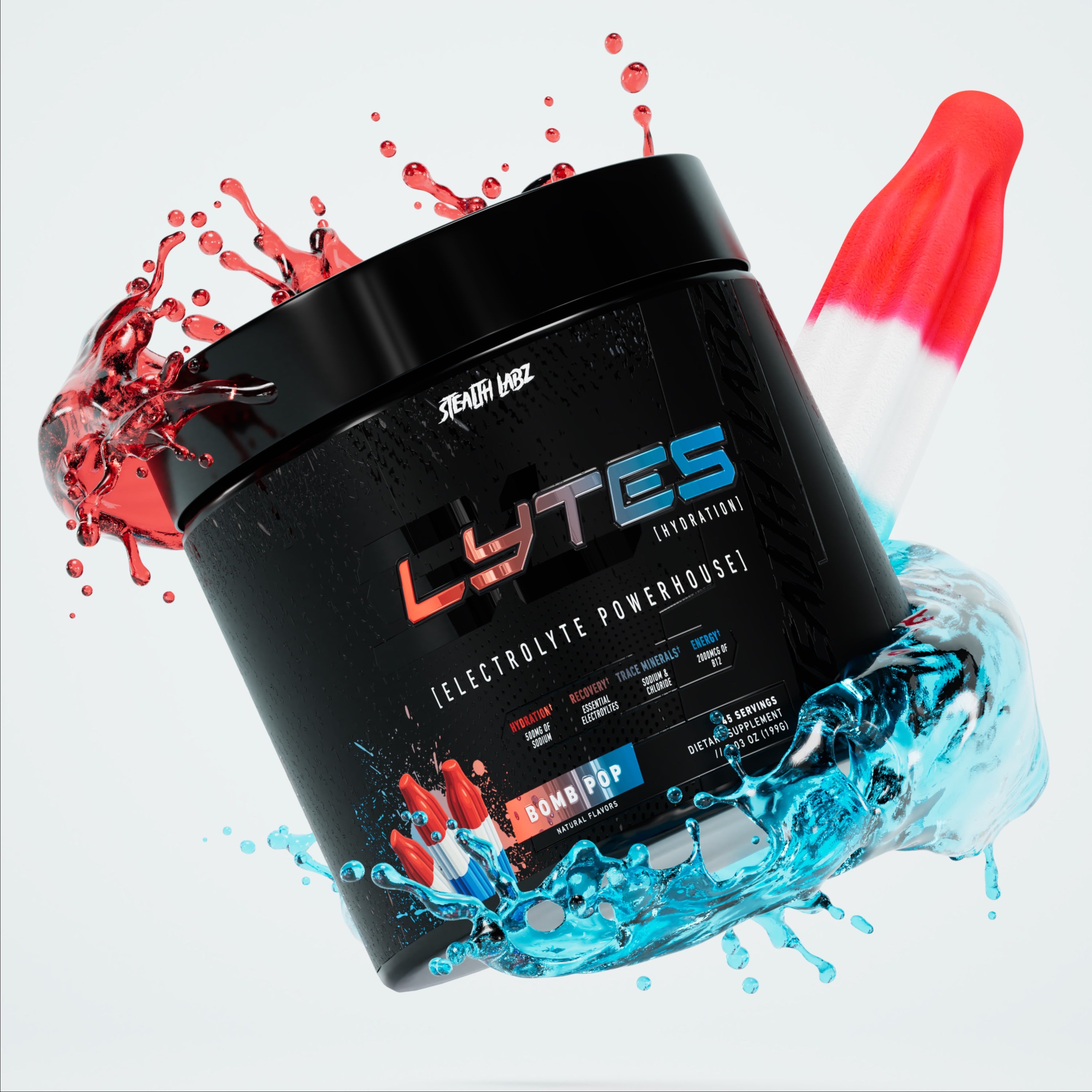
For athletes using ISO PRO as their post-workout protein, pairing it with our Lytes electrolyte supplement addresses both the protein and mineral replacement sides of the recovery window simultaneously.
Conclusion
Both forms deliver real results. The difference is in how efficiently each one does it for your specific goal. If purity, digestive tolerance, and maximum protein per calorie are your priority isolate is the clear choice. If budget and taste matter more than macro precision concentrate is a perfectly solid option.
Most serious athletes training consistently will land on isolate over time. The digestive advantage and protein density make it the more versatile long-term choice across every training phase.
Why Choose Us
ISO PRO is our answer to what a whey protein isolate should actually deliver not what a marketing-first label makes it appear to deliver.
-
90%+ protein by weight with full label transparency, no proprietary blends hiding filler ingredients
-
Added digestive enzymes for enhanced absorption, particularly important for athletes who have experienced bloating with other protein powders
-
Minimal fat and carbohydrates, making it the most macro-efficient protein option in our lineup
-
Third-party tested for purity and potency on every batch
-
Available in multiple flavors with clean mixability, no clumping, no chalky residue
-
Stimulant-free and vegan-process friendly, designed to fit any dietary framework
Frequently Asked Questions
Which is better — protein isolate or concentrate?
Neither is universally better. Isolate wins for purity, lactose tolerance, and macro efficiency making it the stronger choice for cutting phases and sensitive stomachs. Concentrate wins for budget, taste, and bioactive compound retention making it the better fit for bulking phases and beginners. Your current training goal determines the right answer.
Which whey protein is better for lactose intolerance?
Whey protein isolate is the clear choice for lactose-sensitive athletes. The additional filtration process removes almost all lactose most lactose-intolerant users tolerate isolate without any digestive issues. Concentrate retains moderate lactose and is more likely to cause bloating or discomfort in sensitive individuals.
Is whey concentrate or isolate more affordable?
Concentrate is consistently more affordable per serving due to less processing. Isolate costs more but delivers more usable protein per gram which means the cost-per-gram-of-protein gap between the two is smaller than the sticker price difference suggests.
Which type supports faster muscle growth?
Both support muscle growth effectively when consumed consistently at adequate amounts. Isolate has a marginal advantage in the immediate post-workout window due to faster absorption but total daily protein intake matters far more than absorption speed for muscle growth over time.
Can I mix whey protein isolate and concentrate together?
Yes. Some athletes use concentrate during the day for taste and affordability and switch to isolate post-workout for faster absorption. There is no conflict between the two it is simply a matter of matching each form to the context where it performs best.

Leave a comment
This site is protected by hCaptcha and the hCaptcha Privacy Policy and Terms of Service apply.