

Improve Workout Performance: Proven Tips to Boost Your Results
Whether you want more strength, better endurance, faster recovery, or simply more out of every session, improving workout performance comes down to consistent, evidence-based habits—not random hard work. Small, strategic upgrades in training, nutrition, recovery, and support tools deliver measurable gains without overhauling your entire routine.
This guide focuses on practical strategies that match real search intent: actionable steps gym-goers and athletes use to break plateaus, train smarter, and recover better. You’ll also see how targeted supplements from the Athletic Performance collection can support those efforts when fundamentals are in place.
Why Improving Workout Performance Matters
Better performance means:
-
More efficient muscle building and fat loss
-
Lower injury risk through improved technique and recovery
-
Higher energy and focus during sessions
-
Clearer progress tracking that sustains motivation
Common Barriers and How to Fix Them
|
Challenge |
What it looks like |
How it hurts progress |
Fix |
|
Poor nutrition |
Skipping meals or missing macros |
Low energy, slow recovery |
Plan protein- and carb-focused meals around training |
|
Inconsistent training |
No plan or irregular sessions |
Stalled progress |
Follow a structured program with progressive overload |
|
Bad technique |
Poor form or limited range of motion |
Injury risk, wasted effort |
Prioritize form and film key lifts |
|
Lack of rest |
Insufficient sleep or recovery days |
Fatigue, plateaus |
Schedule 1–2 rest/active recovery days and aim for 7–9 hours of sleep |
Simple consistency in these areas already elevates results. Products such as Alpha Extreme can further support strength and training drive when paired with solid nutrition and sleep.
Core Strategies That Actually Work
Progressive Overload — The Foundation of Progress
Gradually increase weight, reps, sets, or training density over time. Beginners can add load every 1–2 weeks on main lifts. Intermediates benefit from planned progression (e.g., add reps first, then weight) and deload weeks every 4–8 weeks to avoid plateaus.
Science-Backed Warm-Ups (General → Specific → Conditioning)
A proper warm-up raises body temperature, activates the nervous system, and primes movement patterns. Experts favor:
-
General phase: light aerobic work (5–10 minutes)
-
Specific phase: dynamic movements that match your session (leg swings, high knees, bodyweight squats)
-
Conditioning phase: short, near-maximal efforts or activation sets
Dynamic work outperforms prolonged static stretching before training for most strength and power goals. Static stretching can still have a place for mobility work outside the warm-up window.
Interval Training & Specificity
Short high-intensity intervals improve conditioning efficiently. Match the rest of your program to your primary goal: heavier loads and lower reps for strength, moderate loads and higher volume for hypertrophy, or sport-specific drills for athletic performance.
Balanced Routine
Combine strength, some cardio or conditioning, and deliberate recovery. Avoid pure mono-focus that leads to burnout or overuse issues.
Nutrition & Recovery — The Real Performance Multipliers
Fueling
-
Protein supports repair (aim for adequate intake across the day).
-
Carbohydrates around workouts replenish glycogen and support intensity.
-
Healthy fats and micronutrients aid hormones and long-term energy.
Hydration & Electrolytes
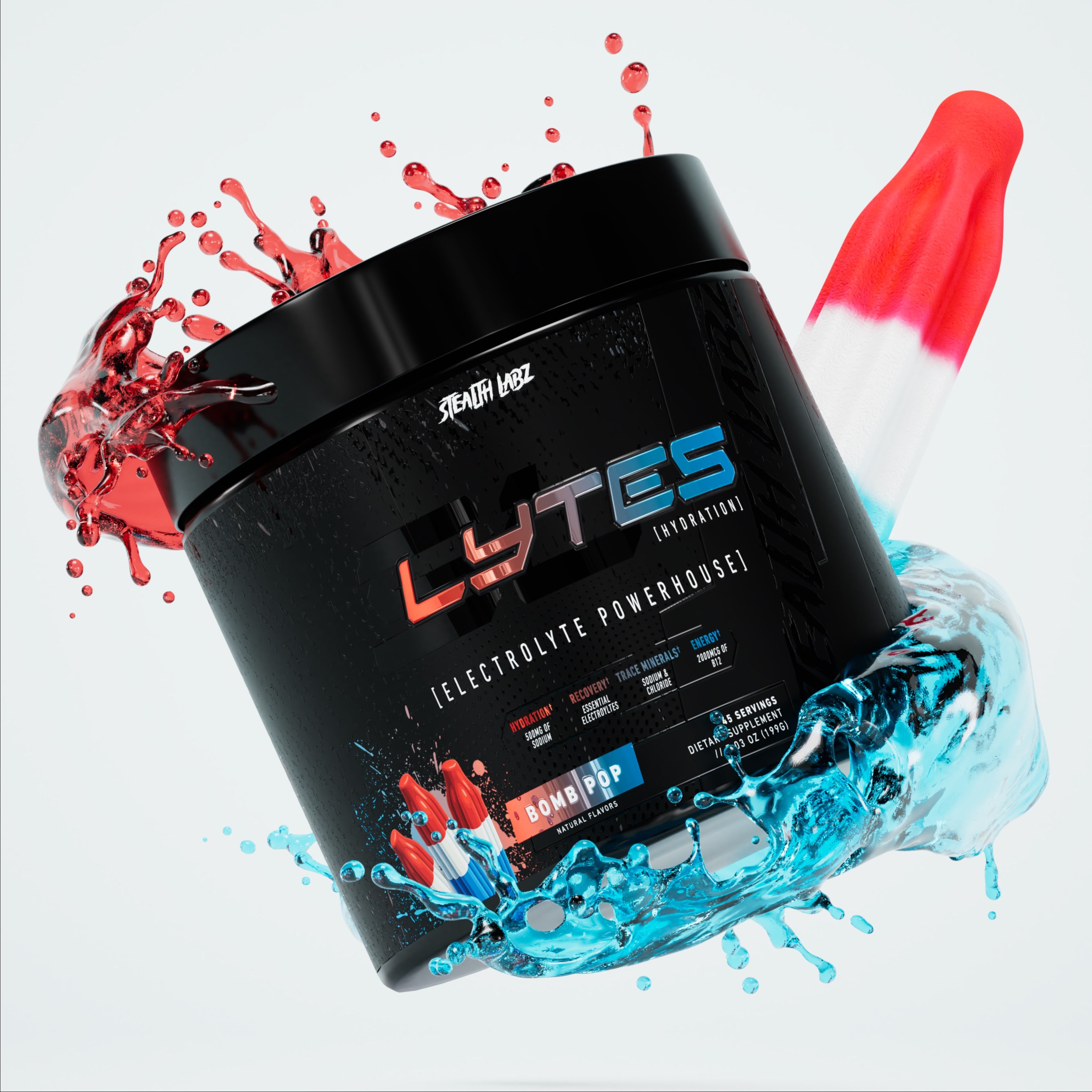
Even mild dehydration reduces performance. Drink consistently and consider electrolytes for longer or high-sweat sessions—Lytes is formulated for this.
Rest & Active Recovery
Sleep 7–9 hours. Use walking, mobility work, or light foam rolling on recovery days. Overtraining without recovery is one of the fastest ways to stall progress.
Practical Routines by Experience Level
Beginners
-
5–10 minute dynamic warm-up
-
2–3 full-body or upper/lower strength sessions per week (8–12 reps, 2–3 sets)
-
48 hours between same-muscle sessions
Busy Professionals
-
30–40 minute sessions focused on compound lifts
-
Add short HIIT or conditioning if time is limited
-
Surge Pre-Workout can help energy and focus on tight schedules (start with a half serving)
Intermediates Seeking Continued Progress
-
Track volume and intensity
-
Rotate emphasis every 4–8 weeks and include deloads
-
Adjust calories based on goals (surplus for muscle, deficit for fat loss)
Smart Supplement Support
Supplements amplify good training and nutrition—they do not replace them. Useful options from the Stealth Labz line include:
-
Alpha Extreme — supports strength, stamina, and training consistency
-
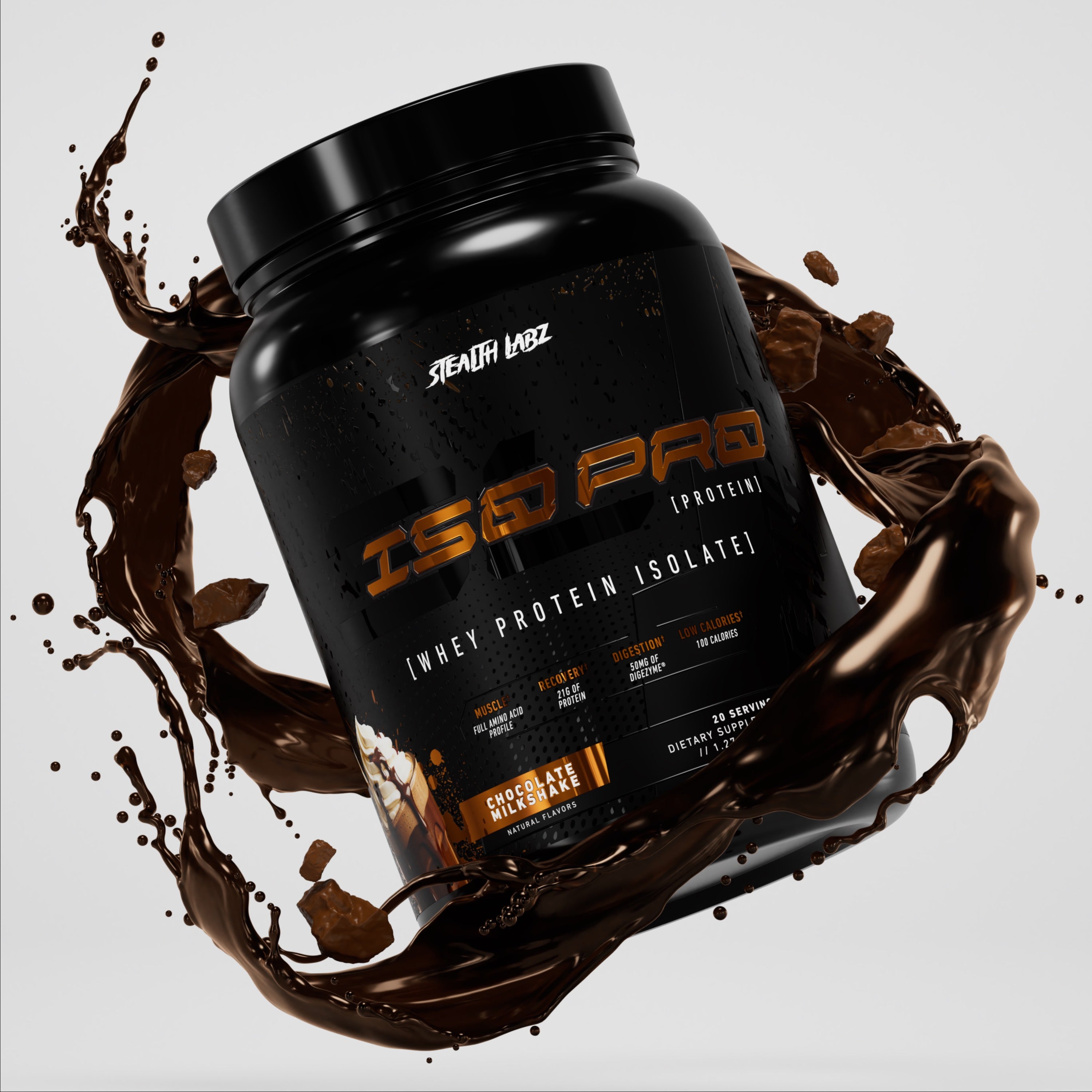
ISO Pro Whey Protein Isolate — fast-absorbing protein for post-workout recovery
-
Elevate BCAA/EAAs — intra-workout amino acids and electrolytes
-
Surge Pre-Workout — energy, focus, and performance for intense sessions
Always follow label directions and consult a healthcare professional if you have medical concerns. Explore the full Athletic Performance collection for stacks tailored to strength, endurance, and recovery.
Quick Checklist to Improve Workout Performance Today
-
Perform a proper dynamic warm-up
-
Prioritize form over load
-
Apply progressive overload
-
Eat and hydrate around sessions
-
Schedule recovery and quality sleep
-
Use supplements strategically (e.g., Alpha Extreme or ISO Pro)
-
Track key metrics and adjust every few weeks
Frequently Asked Questions
How do I break through a workout plateau?
Increase progressive overload (weight, reps, or density), ensure you’re recovering adequately (sleep + nutrition), and consider a short deload. Changing exercise variations or training frequency after several weeks of stagnation also helps.
Is a dynamic warm-up better than static stretching before lifting?
Yes for most strength and performance sessions. Dynamic movements better prepare muscles and the nervous system. Save longer static stretches for dedicated mobility work or after training.
How important is sleep for improving athletic performance?
Extremely important. Poor sleep impairs recovery, hormone balance, energy, and next-session performance. Aim for 7–9 hours consistently.
Should I do cardio or weights first?
It depends on your primary goal. Prioritize the quality of the session that matters most that day (strength work first if building strength is the focus).
How often should I change my workout routine?
Most people benefit from keeping a core program for 4–8 weeks while progressing load or volume, then adjusting or deloading. Constant radical changes can hinder measurable progress.
Do supplements actually help improve workout performance?
Evidence-based options (protein, creatine, caffeine-based pre-workouts, electrolytes) can support energy, recovery, and consistency when training and nutrition are already solid. They are tools, not magic.
What is the best way to track progress?
Log weight, sets, reps, and how sessions feel. Note energy, sleep, and recovery. Objective numbers plus subjective feedback prevent guessing.
Final Thoughts
Improving workout performance is the result of progressive training, intelligent fueling, deliberate recovery, and—when appropriate—targeted supplement support. Start with the fundamentals, stay consistent, and refine based on your results.
For an extra edge, explore the Athletic Performance collection featuring Alpha Extreme, ISO Pro, Elevate, and Surge. Pair them with the strategies above and track how your sessions improve.
Related reading:



Leave a comment
This site is protected by hCaptcha and the hCaptcha Privacy Policy and Terms of Service apply.