
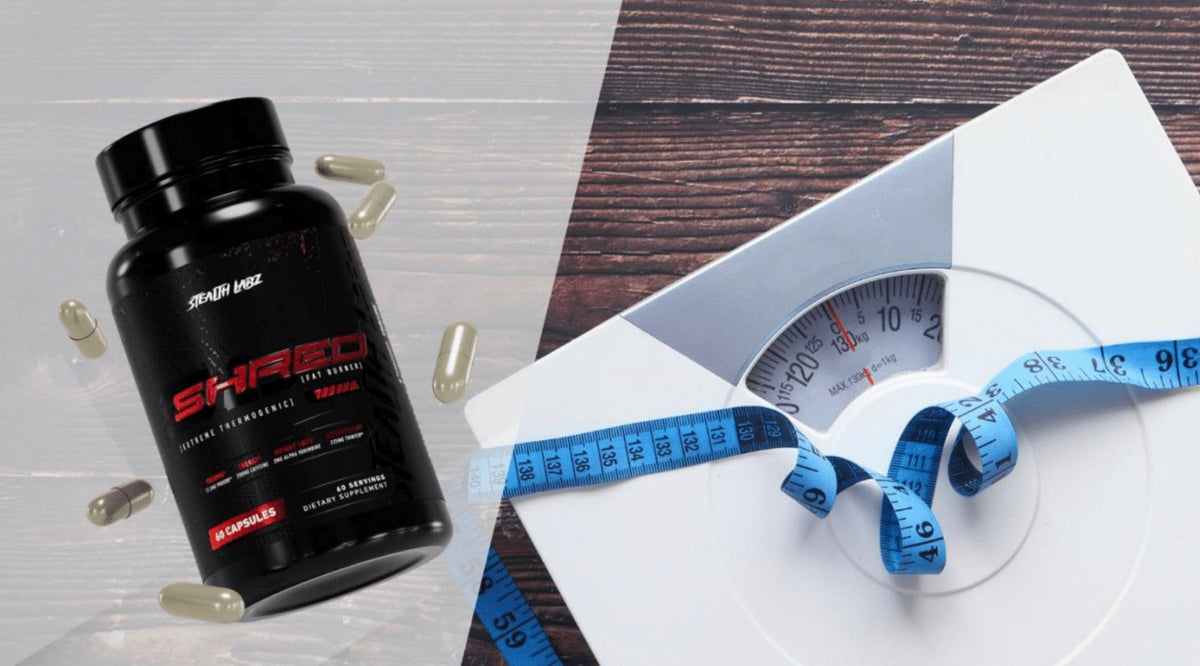
Are Thermogenic Fat Burners Safe? Risks, Benefits & Guidelines
Millions of people searching “are thermogenic fat burners safe” want a clear, honest answe, not hype or fear-mongering. Thermogenic fat burners can support fat loss by mildly raising metabolism and calorie burn, but safety depends entirely on the ingredients, dosage, product quality, and your individual health.
This guide cuts through the noise. You’ll learn exactly how these supplements work, which ingredients carry the highest risks, practical safety rules, who should skip them, and how to choose higher-quality options that align with real-world results. Everything is written for people who train hard, track progress, and refuse to gamble with their health.
What Are Thermogenic Fat Burners and How Do They Work?
Thermogenic means “heat-producing.” These supplements aim to increase your body’s core temperature and resting metabolic rate so you burn more calories throughout the day. Most formulas stimulate the sympathetic nervous system, elevate heart rate slightly, and support lipolysis (fat breakdown).
Common mechanisms include:
-
Increasing adrenaline and noradrenaline to release fatty acids
-
Mild appetite suppression
-
Small boosts in daily energy expenditure (typically 3–11% with caffeine-based formulas)
Unlike medical weight-loss drugs, thermogenics are dietary supplements. They are not FDA-approved for safety or efficacy before sale, so quality and dosing accuracy vary widely between brands.
Common Thermogenic Ingredients
|
Ingredient |
Typical Effect |
Safety Notes |
|
Caffeine |
Raises metabolism 3–11%, mild fat oxidation |
Safe up to 200–400 mg/day for most healthy adults; excess causes jitters, insomnia, elevated heart rate |
|
Green tea extract (EGCG) |
Supports fat oxidation |
Generally well tolerated at 300–500 mg EGCG; very high doses linked to rare liver issues |
|
Capsaicin |
Mild thermogenesis + appetite control |
Usually safe; can irritate stomach in sensitive people |
|
Synephrine (bitter orange) |
Mild stimulant similar to ephedrine |
Can raise blood pressure/heart rate; avoid with other stimulants or heart conditions |
|
Yohimbine |
May aid stubborn fat during fasted training |
Anxiety, blood-pressure swings possible; start very low |
|
Banned/risky agents (DMAA, ephedrine) |
Strong stimulation |
Avoid completely—FDA-banned for serious cardiovascular events |
Safety Profile of Popular Thermogenic Compound
Examine the safety data behind common thermogenic ingredients, their recommended dosages, and potential interactions with medications or health conditions.
Caffeine-Based Thermogenics
Moderate caffeine intake (200-400mg daily) is generally safe for healthy adults. However, exceeding this amount can lead to jitteriness, insomnia, increased heart rate, and anxiety.
Individual caffeine sensitivity varies significantly. Some people experience adverse effects at doses as low as 100mg, while others tolerate higher amounts without issues.
Caffeine withdrawal can occur with regular use, causing headaches, fatigue, and irritability. Cycling off caffeine periodically helps maintain sensitivity and reduces dependence risks.
Herbal Thermogenic Safety
Green tea extract is well-tolerated by most individuals, though rare cases of liver toxicity have occurred with extremely high doses. Stick to standardized extracts providing 300-500mg EGCG daily.
Garcinia cambogia shows mixed safety results, with some studies reporting digestive upset and potential liver concerns. Choose reputable brands with proper standardization.
Bitter orange contains synephrine, which can elevate blood pressure and heart rate. Avoid combining with other stimulants or if you have cardiovascular conditions.

Natural vs Synthetic Thermogenics: Why the Difference Matters
Natural thermogenics (green tea extract/EGCG, caffeine from coffee or guarana, capsaicin from chili peppers) have decades of traditional use and relatively strong safety data when dosed reasonably.
Synthetic or highly concentrated compounds (certain synephrine isolates, yohimbine HCl at high doses, or banned agents like DMAA) often deliver stronger stimulation but come with higher cardiovascular and neurological risk and less long-term human data.
The biggest safety gap appears when brands hide exact amounts behind proprietary blends or stack multiple stimulants without clear labeling.
Real Risks and Side Effects (What Users Actually Experience)
From clinical reports and real-user discussions, the most common issues are:
-
Jitteriness, anxiety, or restlessness
-
Elevated heart rate and blood pressure
-
Sleep disruption if taken late
-
Digestive upset (nausea, cramps, loose stools)
-
Rare but serious: liver stress (especially high-dose green tea extract on empty stomach) or cardiovascular events in high-risk individuals
Stacking multiple stimulant sources (thermogenic + pre-workout + energy drinks + coffee) is the fastest way to push past safe limits. Reddit and forum users frequently report this exact mistake.
Who Should Avoid Thermogenic Fat Burners
Skip stimulant-based thermogenics if you:
-
Have high blood pressure, heart disease, arrhythmias, or a history of cardiovascular events
-
Are pregnant, breastfeeding, or under 18
-
Experience high anxiety or panic disorders
-
Take medications that interact with stimulants (certain antidepressants, blood-pressure drugs, etc.)
-
Are highly sensitive to caffeine
Always consult a healthcare professional before starting any new supplement if you have medical conditions or take prescription drugs.
Safe Usage Guidelines That Actually Work
-
Start low — Begin with 25–50% of the labeled dose for the first few days to test tolerance.
-
Time it right — Take early in the day or 30–60 minutes before training. Never late afternoon or evening.
-
Cycle — 6–8 weeks on, 2–3 weeks off helps prevent tolerance and reduces dependence risk.
-
Track total caffeine — Include coffee, tea, pre-workouts, and chocolate. Stay under 400 mg total for most healthy adults.
-
Stay hydrated and eat — Thermogenics work best alongside a calorie-controlled diet rich in protein and whole foods.
-
Choose transparent products — Look for clear labeling, third-party testing, and GMP-certified manufacturing. Avoid proprietary blends that hide doses.
A well-structured diet and consistent training remain far more powerful than any supplement. Thermogenics are tools, not magic.
Quality Matters: Safer Choices for Serious Lifters
Not all thermogenics are equal. Reputable brands that disclose exact dosages, use clinically studied ingredients at reasonable levels, and manufacture in GMP-certified facilities significantly lower risk.
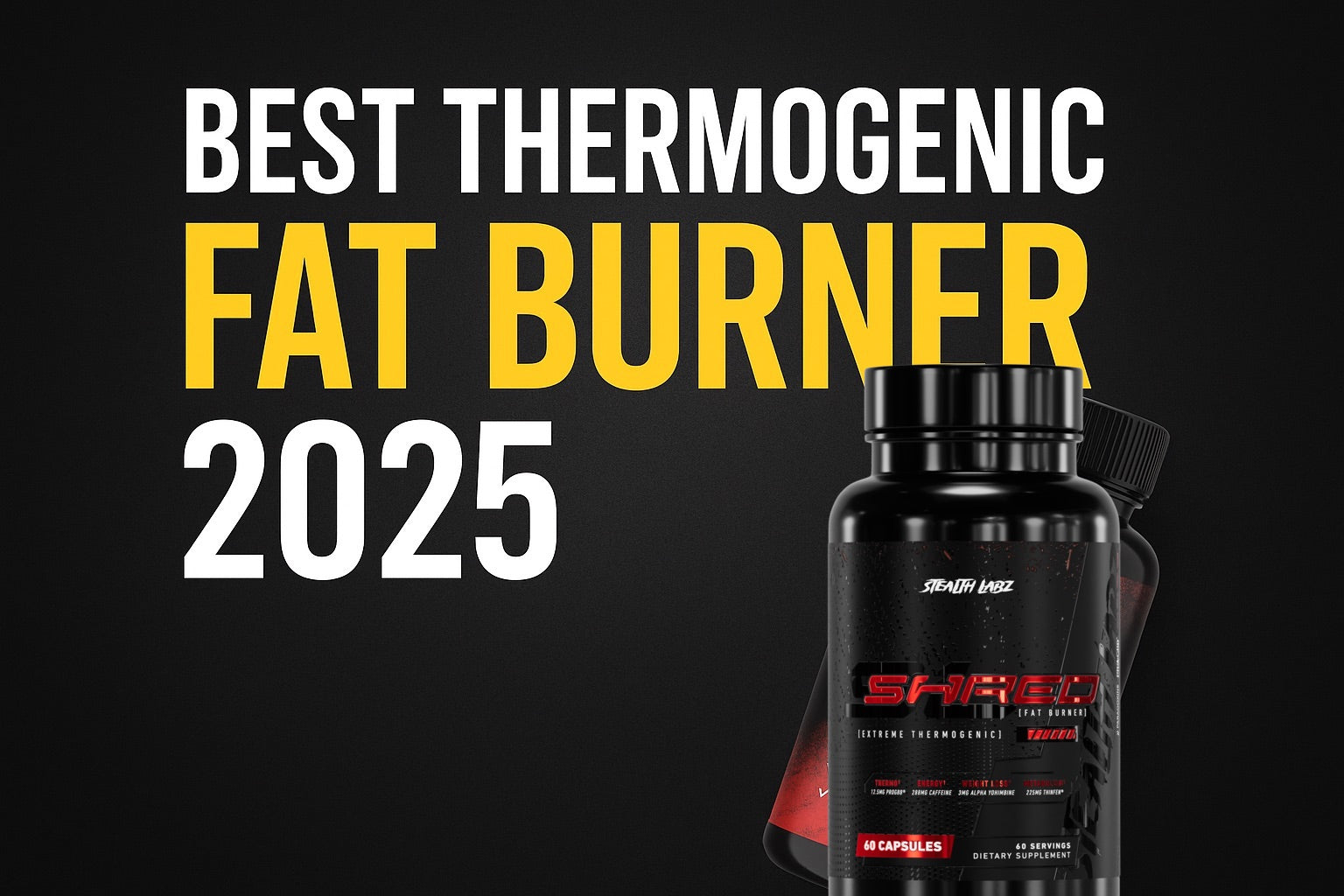
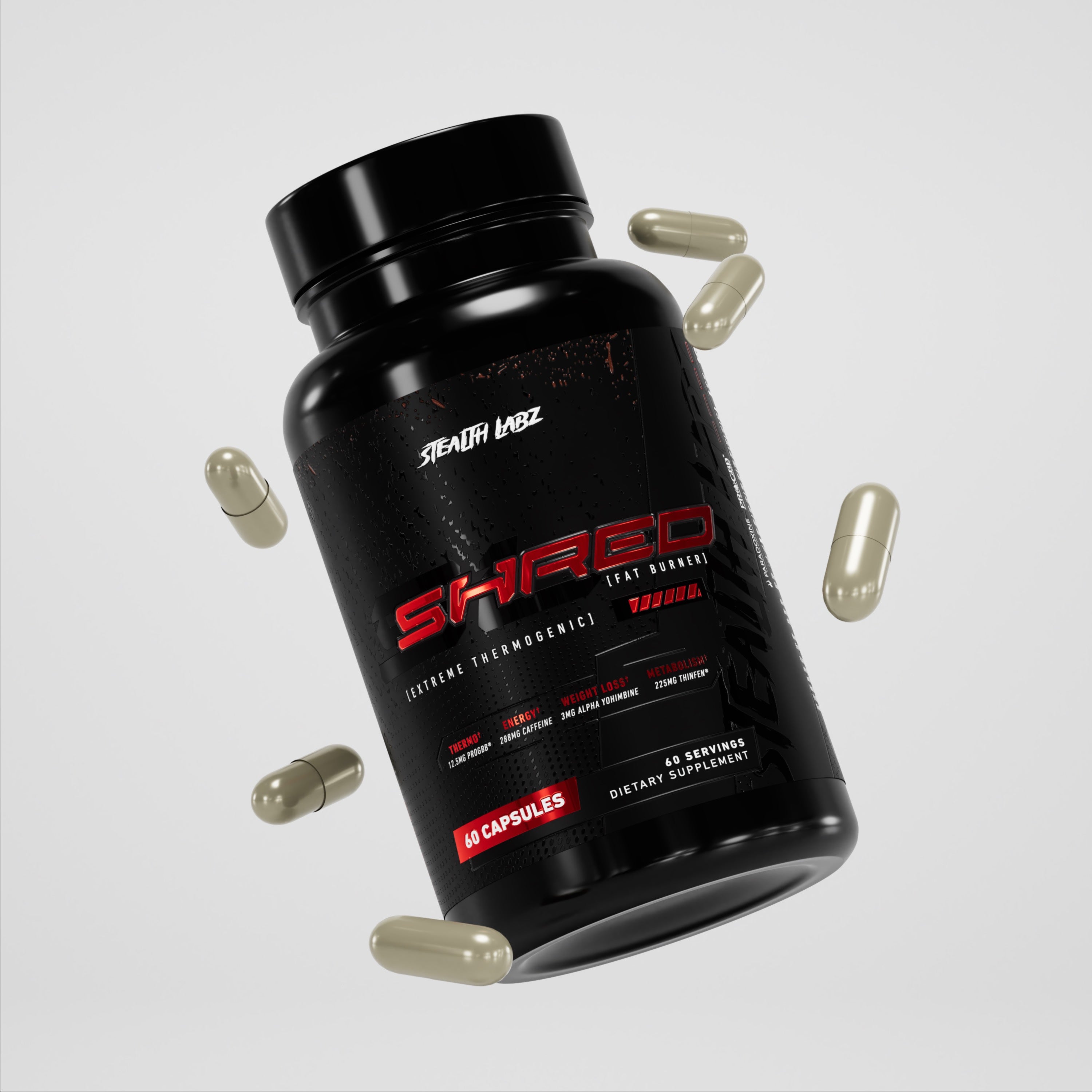
If you decide a thermogenic fits your plan, consider a transparent, researched formula such as Shred Thermogenic Fat Burner. For a complete approach that supports fat loss while protecting muscle, explore the full Fat Burning Stack that pairs a quality thermogenic with protein and recovery support.
Pairing smart supplementation with progressive training and a sustainable deficit delivers better long-term results than chasing extreme formulas.
Practical Alternatives to High-Stimulant Thermogenics
-
High-protein diet (0.8–1.2 g per pound of body weight) for natural thermic effect
-
HIIT or resistance training to elevate post-exercise metabolism
-
Green tea, spicy foods, and cold exposure for mild natural thermogenesis
-
Non-stimulant options such as L-carnitine or chromium if stimulants do not suit you
-
Consistent sleep (7–9 hours) and stress management to keep cortisol in check
These foundations produce lasting change without the side-effect profile of aggressive stimulant stacks.
Frequently Asked Questions
Can I take thermogenic fat burners if I have high blood pressure?
No. Stimulant-based formulas can further raise blood pressure and heart rate. Consult your doctor and choose non-stimulant approaches instead.
Do thermogenic fat burners actually work for weight loss?
They can provide a modest boost in calorie burn and fat oxidation when combined with diet and training. Effects are typically small (a few percent increase in metabolism). They are not a substitute for a calorie deficit.
What are the most common side effects?
Jitteriness, elevated heart rate, anxiety, insomnia, and digestive discomfort. Serious issues (liver stress, cardiovascular events) are rarer and usually linked to high doses, stacking, or pre-existing conditions.
Is it safe to combine a thermogenic with a pre-workout?
Only if you carefully calculate total stimulant intake. Many people accidentally exceed safe caffeine limits this way. Start with half doses of both and monitor how you feel.
How long can I safely take thermogenic fat burners?
Most experts recommend cycling (6–8 weeks on, 2–3 weeks off). Continuous high-dose use increases tolerance and potential side-effect risk.
Are natural thermogenics safer than synthetic ones?
Generally yes when dosed appropriately, but “natural” does not equal risk-free. High-dose concentrated extracts can still cause problems.
Should I take thermogenics on an empty stomach?
Follow the product label. Some ingredients (especially high-dose green tea extract) may increase stomach or liver stress when taken without food.
Final Takeaway
Thermogenic fat burners can be used safely by healthy adults who choose transparent, moderately dosed products, respect dosage and cycling guidelines, and treat them as a small supporting tool rather than the main driver of fat loss.
Prioritize diet quality, progressive training, sleep, and recovery first. If you add a thermogenic, select one with clear labeling and third-party oversight, monitor your response closely, and stop immediately if you experience adverse effects.
Your long-term health and consistent progress matter far more than any short-term metabolic boost. Choose quality, stay informed, and train smart.


Leave a comment
This site is protected by hCaptcha and the hCaptcha Privacy Policy and Terms of Service apply.