

10 Natural Energy Boosters for Better Gym Performance
Feeling low on energy before a workout does not always mean you need an energy drink or a high-stimulant pre-workout. Your training energy is influenced by hydration, carbohydrate availability, sleep, meal timing and overall nutrition. Certain foods and supplements can also provide convenient support before demanding workouts.
Below are 10 natural energy boosters for gym workouts, including foods, beverages and nutrients that can help support focus, endurance and training performance.

What Are Natural Energy Boosters for Workouts?
Natural energy boosters are foods, drinks, nutrients or habits that help support the body's normal energy production and workout performance.
They may help by providing:
-
Carbohydrates for exercise fuel
-
Fluids for hydration
-
Protein for training and recovery
-
Caffeine for alertness and performance
-
Vitamins and minerals involved in normal energy metabolism
“Natural” does not automatically mean better or safer. The goal is to choose options that match your workout, nutrition needs and tolerance rather than relying on exaggerated energy claims.
1. Water — Start With Hydration
Hydration is one of the simplest factors to check when your training energy feels low.
Exercise increases fluid loss, especially during longer workouts, heavy sweating and training in hot conditions. Starting a workout well hydrated can help support normal physical and cognitive performance.
Practical tips:
-
Drink fluids consistently throughout the day
-
Begin training adequately hydrated
-
Drink during longer or high-sweat sessions
-
Replace substantial fluid losses afterward
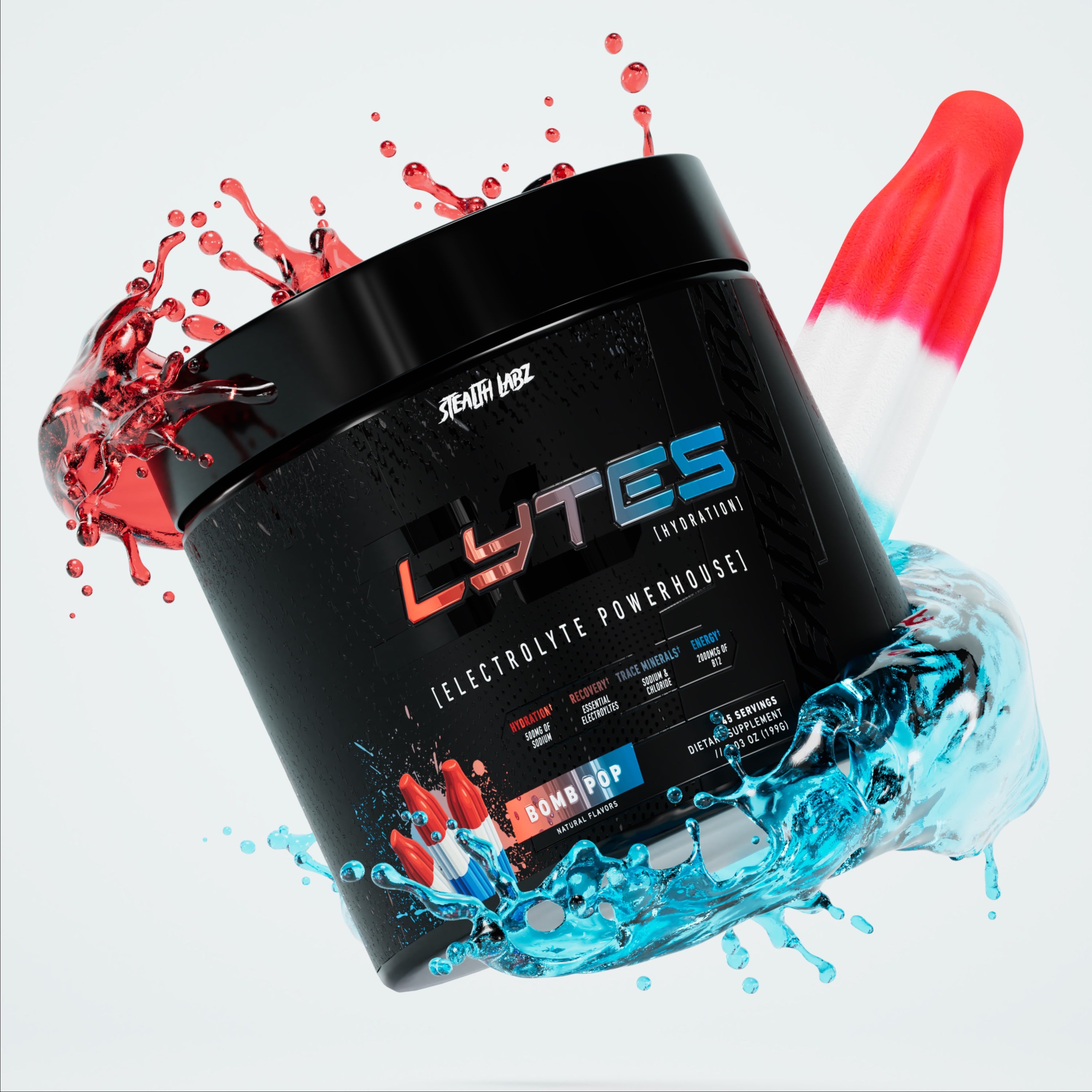
For workouts involving significant sweating, electrolytes may also be useful. Learn more in our guide to the best hydration supplements.
Hydration needs vary considerably by exercise duration, environment and individual sweat rate.
2. Bananas — Simple Pre-Workout Carbohydrates
Bananas are a convenient pre-workout food because they provide easily accessible carbohydrates along with potassium and other nutrients.
Carbohydrates are an important exercise fuel, particularly when training intensity or duration increases.
A banana can work well:
-
Before strength training
-
Before cardio
-
Alongside yogurt or another protein source
-
As part of a larger pre-workout meal
Rather than treating bananas as a guaranteed cramp-prevention food, their main advantage is simple: they are portable, easy to digest for many people and provide useful carbohydrates before exercise.
3. Nuts and Seeds — Nutrient-Dense Fuel
Nuts and seeds provide a combination of fats, protein, minerals and calories that can contribute to overall training nutrition.
Good options include:
-
Almonds
-
Walnuts
-
Pumpkin seeds
-
Chia seeds
-
Peanuts
Because fat slows digestion, a large serving immediately before intense exercise may feel heavy for some people.
A small portion eaten one or two hours before training can be a better option, especially when combined with a carbohydrate source such as fruit or oats.
4. Protein — Support Training and Recovery
Protein is not primarily an instant energy source, but it plays an important role in muscle maintenance, repair and adaptation to resistance training.
Good protein sources include:
-
Eggs
-
Chicken and lean meat
-
Greek yogurt
-
Fish
-
Beans and legumes
-
Whey protein
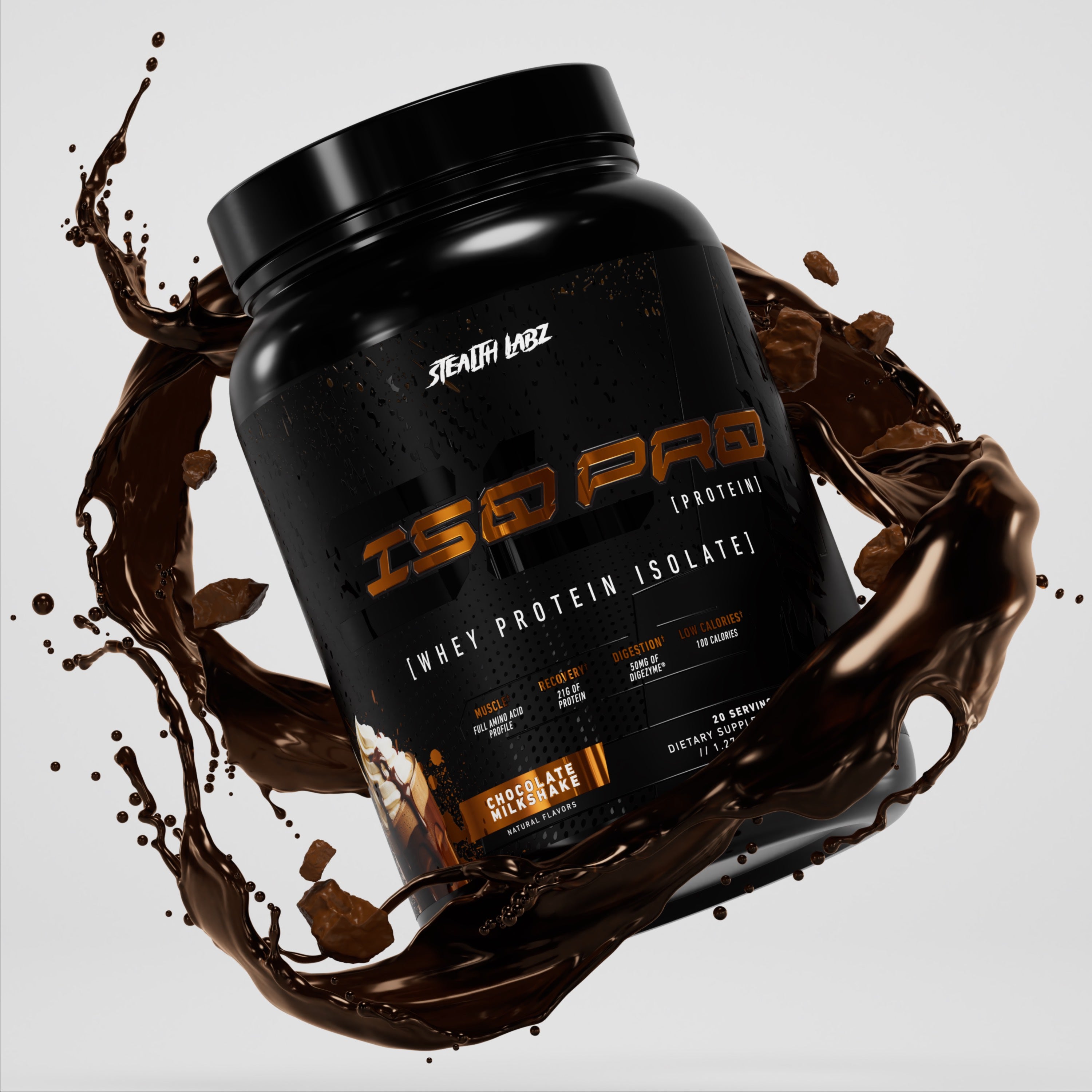
For people who struggle to meet their protein needs through meals, ISO PRO Whey Protein Isolate offers a convenient way to add protein around training.
For active adults, total daily protein intake is generally more important than chasing an extremely narrow post-workout window
5. Honey — Quick Carbohydrate Fuel
Honey is primarily useful before exercise because it provides easily available carbohydrates.
It can be combined with foods such as:
-
Toast
-
Oatmeal
-
Yogurt
-
Bananas
For someone training after several hours without eating, a small carbohydrate-containing snack may be more useful for workout energy than relying on stimulants alone.
For longer or higher-intensity exercise, carbohydrate availability becomes increasingly important for maintaining performance.
6. Leafy Greens — Micronutrients for Active Adults
Leafy vegetables such as spinach and kale provide vitamins, minerals and naturally occurring plant compounds that contribute to a balanced sports diet.
They can provide nutrients such as:
-
Folate
-
Vitamin C
-
Potassium
-
Magnesium
-
Dietary nitrates in certain vegetables
However, leafy greens should not be presented as an immediate “energy boost.”
Their value comes mainly from supporting overall nutrition. Add them to regular meals, smoothies or pre-workout meals as part of a balanced diet rather than expecting an instant stimulant-like effect.
7. Green Tea — Caffeine With a Lighter Dose
Green tea naturally contains caffeine, although typically less than brewed coffee. Caffeine can improve alertness and is widely used before exercise for performance support.
Green tea may appeal to people who prefer a lower-caffeine beverage rather than a concentrated pre-workout.
Remember that caffeine tolerance varies. Consider total caffeine from:
-
Coffee
-
Tea
-
Energy drinks
-
Pre-workout supplements
-
Other caffeinated foods and supplements
For most healthy adults, FDA cites 400 mg of caffeine per day as an amount not generally associated with negative effects, but sensitivity varies substantially.
8. Apples — Easy Carbohydrates Before Training
Apples provide carbohydrates, water, fiber and micronutrients in an easy-to-carry snack.
They can work well before a moderate workout, especially when paired with another food such as:
-
Peanut butter
-
Greek yogurt
-
A small serving of nuts
If eating immediately before intense training, individual digestion matters. Some people tolerate fruit and fiber well, while others prefer lower-fiber carbohydrate sources closer to their workout.
9. Omega-3 Foods — Support Overall Sports Nutrition
Omega-3 fats are important dietary fats found in foods such as:
-
Salmon
-
Sardines
-
Tuna
-
Chia seeds
-
Flaxseed
-
Walnuts
They should not be described as an immediate pre-workout energy booster.
Their stronger role in this article is as part of a balanced diet supporting general health and nutrition. Include omega-3-rich foods regularly rather than expecting them to produce a noticeable energy surge immediately before exercise.
10. B Vitamins and Vitamin-Rich Foods
Several B vitamins participate in normal energy metabolism, while vitamin C supports other physiological functions.
Useful food sources include:
-
Eggs
-
Whole grains
-
Fruit
-
Vegetables
-
Dairy products
-
Lean meats
-
Legumes
However, taking extra vitamins does not automatically create extra energy if your intake is already adequate.
For most people, a varied diet is the best foundation. Supplements may be useful when dietary intake is inadequate or a deficiency has been identified.

Bonus: Pre-Workout Supplements for Extra Training Support
Some athletes prefer a formulated pre-workout when food, hydration and sleep are already in place but additional training support is desired.
Common pre-workout ingredients include:
-
Caffeine for alertness and exercise performance
-
Citrulline for blood-flow-related performance support
-
Beta-alanine for high-intensity exercise applications
-
Electrolytes for hydration support
Always check the complete label, especially the amount of caffeine and whether you are consuming caffeine from other sources.
Stealth Labz's SURGE Pre-Workout is an option for users specifically looking for a formulated pre-workout rather than food-based energy alone.
Caffeine can support exercise performance, but higher intake is not automatically better and individual response varies.
How to Build a Better Pre-Workout Energy Routine
Workout energy is usually better addressed with a routine than with one “magic” food.
Earlier in the day
-
Stay hydrated
-
Eat balanced meals
-
Avoid arriving at the gym severely under-fueled
Before training
-
Use easily tolerated carbohydrates when needed
-
Include protein if it fits your meal timing
-
Consider caffeine only if you tolerate it
After training
-
Rehydrate
-
Consume adequate protein
-
Include carbohydrates when training demands are high
-
Prioritize recovery and sleep
For a deeper look at meal timing around resistance training, see when to eat before or after a workout for muscle gain.
Total daily energy and protein intake remain major factors even when meal timing is optimized.
What Does Research Say About Workout Energy?
Exercise performance depends on several factors rather than whether an energy source is “natural” or processed.
Research in sports nutrition supports three particularly important areas:
Carbohydrates:
Longer and higher-intensity exercise increases carbohydrate demands, and carbohydrate intake can help support fuel availability during demanding sessions.
Protein:
Adequate daily protein supports muscle repair and adaptation to training. Protein consumed around exercise can be useful, but overall daily intake remains a major priority.
Caffeine:
Caffeine has substantial research supporting exercise-performance effects but tolerance, dose and individual sensitivity matter.
I recommend removing the current Big News Network citation and replacing it with primary research or established sports-nutrition sources.
Why Start With Food, Hydration and Sleep?
Whole foods and basic training habits provide something a stimulant alone cannot: actual nutrition and recovery support.
Starting with food, hydration and sleep helps you address common causes of poor workout energy such as:
-
Inadequate carbohydrate intake
-
Poor hydration
-
Insufficient calories
-
Poor sleep
-
Long gaps between meals
Caffeine and pre-workout supplements can still have a useful role, but they work best when the basic nutrition and recovery foundation is already in place.
The goal is not to make “natural vs artificial” the decision. The better question is whether an option is effective, appropriate, properly dosed and suitable for you.
Quick Guide: Best Natural Energy Boosters for the Gym
|
Goal |
Good Options |
When They May Fit |
|
Quick carbohydrates |
Banana, honey, fruit |
Before training |
|
More substantial fuel |
Oats, nuts, seeds |
1–3 hours before |
|
Hydration |
Water, electrolytes when needed |
Before, during and after |
|
Alertness |
Green tea |
Before training |
|
Protein intake |
Eggs, yogurt, whey protein |
Around training or throughout the day |
|
Overall nutrition |
Vegetables, whole grains, healthy fats |
Daily |
The best choice depends on workout duration, intensity, digestion, dietary intake and personal preference.
The Bottom Line on Natural Energy Boosters for the Gym
The best workout energy strategy usually starts before you ever reach for an energy drink.
Hydration, carbohydrates, sufficient calories, protein and quality sleep all influence how prepared you feel for training.
Foods such as bananas, oats, fruit and honey can provide carbohydrates, while protein-rich foods support muscle recovery. Green tea or a properly dosed pre-workout can add caffeine when additional alertness is useful.
If you want to build a broader supplement routine around strength, energy and workout performance, explore the Stealth Labz Athletic Performance collection.
The goal is not to chase the strongest energy boost. It is to create consistent, sustainable fuel for better training performance.
Frequently Asked Questions
What is the best natural pre-workout food?
There is no single best option. Easily digested carbohydrate foods such as bananas, fruit, toast or oats can work well depending on how much time you have before training.
Are energy drinks bad for gym workouts?
Not automatically. Some contain caffeine and carbohydrates that can affect energy and performance, but caffeine and sugar levels vary considerably. Check the label and consider your total caffeine intake.
How long before a workout should I eat?
A larger meal usually needs more digestion time than a small snack. Your ideal timing depends on meal size, workout intensity and individual tolerance.
Is green tea good before the gym?
Green tea contains caffeine and may provide a lighter-caffeine option for people who do not want coffee or a concentrated pre-workout. Caffeine sensitivity varies significantly between individuals.
Can teenagers use energy drinks or stimulant pre-workouts?
The current “kids can use natural energy boosters” answer should be changed. Ordinary foods and appropriate hydration are different from stimulant products. Medical experts cited by FDA advise against energy drinks for children and teens because of caffeine and sugar concerns.
Does whey protein increase workout energy?
Whey protein is primarily useful for helping meet protein needs and supporting muscle repair and adaptation. It should not be positioned as a direct stimulant or instant energy booster.
Do natural supplements improve workout performance?
Some supplement ingredients have evidence for specific performance outcomes, but effectiveness depends on the ingredient, dose and individual. “Natural” by itself does not guarantee effectiveness or safety.


Leave a comment
This site is protected by hCaptcha and the hCaptcha Privacy Policy and Terms of Service apply.