
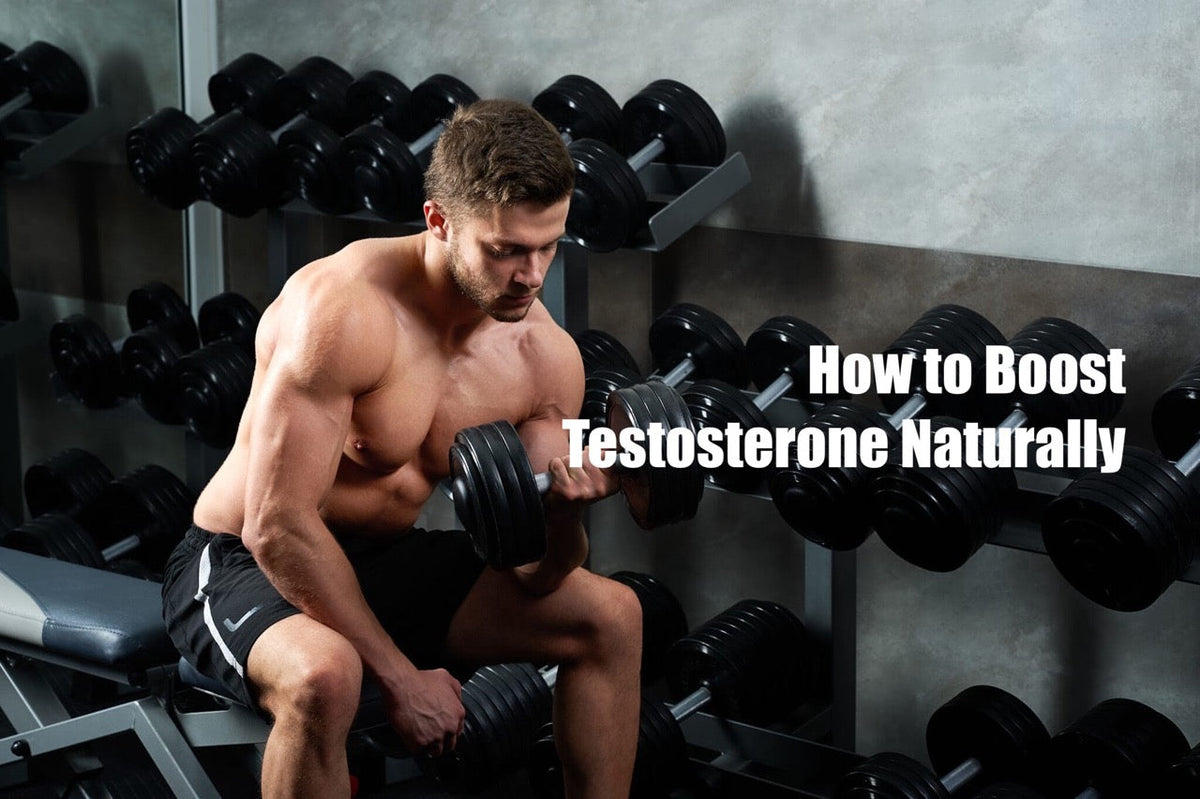
How to Boost Testosterone Naturally: What Actually Moves the Needle
Sleep, resistance training, maintaining a healthy body fat percentage, and stress management have the strongest evidence behind them for supporting healthy testosterone levels. Diet quality and specific nutrients (zinc, magnesium, vitamin D) matter too.
Supplements can provide additional support on top of these fundamentals, but they don't replace them and if you're experiencing persistent symptoms, a blood test and a doctor's input matter more than any product.
This guide is ordered by actual impact, not by what's easiest to sell.
Discover Alpha Extreme here: Alpha Extreme

1. Sleep — The Single Biggest Lever
Testosterone production follows your sleep cycle, with the majority of daily release happening during deep sleep. Consistently getting less than 6 hours a night has been linked to measurably lower testosterone in research on healthy men — one commonly cited study found roughly a 10-15% reduction after a week of sleep restriction. Aim for 7–9 hours, a consistent sleep/wake schedule, and a dark, cool, screen-free environment before bed.
2. Resistance Training
Compound, heavy resistance exercise (squats, deadlifts, presses) produces a short-term testosterone response and, over time with consistent training, supports a healthier long-term hormonal environment alongside the muscle and strength gains themselves. Aim for 3–4 resistance sessions weekly built around compound lifts, not isolation work alone.
3. Body Composition
Excess body fat, particularly visceral fat, is associated with lower testosterone — fat tissue contains an enzyme (aromatase) that converts testosterone to estrogen, and higher body fat generally means more of this conversion happening. Maintaining a healthy body fat percentage through diet and training is one of the more direct, well-supported ways to support healthy levels.
4. Stress Management
Chronic stress keeps cortisol elevated, and cortisol and testosterone have an inverse relationship persistently high cortisol is associated with suppressed testosterone. This doesn't mean occasional stress is harmful; it's the chronic, unmanaged kind that matters. Regular practices that lower baseline stress short walks, breathing exercises, time outdoors, adequate downtime support this indirectly but meaningfully.
5. Diet and Key Nutrients
|
Nutrient |
Why It Matters |
Food Sources |
|
Zinc |
Directly involved in testosterone production |
Oysters, shellfish, cashews, almonds |
|
Magnesium |
Supports hormone synthesis and muscle function |
Spinach, kale, leafy greens |
|
Vitamin D |
Deficiency is linked to lower testosterone |
Sunlight exposure, fatty fish, fortified foods |
|
Healthy fats |
Cholesterol is a building block for hormone production |
Avocados, olive oil, eggs |
A generally Mediterranean-style diet — vegetables, fruit, whole grains, fatty fish, olive oil, nuts, limited processed food and added sugar — supports this list without needing to track individual nutrients obsessively. Moderating alcohol intake also matters; regular heavy drinking is associated with lower testosterone.
Where Supplements Fit
Supplements are the last item on this list deliberately — they support the foundation above, they don't replace it. Alpha Extreme is Stealth Labz's stimulant-free testosterone support formula, built around Tribulus Terrestris, Fadogia Extract, Tongkat Ali, Zinc, DIM, and Vitamin D3 several of the same nutrients and botanicals referenced above, at the doses studied in existing research on these ingredients. It's reasonable to use as additional support once sleep, training, body composition, and diet are already reasonably in order — it's not a substitute for fixing those first.
When to See a Doctor
If you're experiencing persistent, significant symptoms ongoing fatigue, depression, low libido, or sexual dysfunction lifestyle changes and supplements are not a substitute for medical evaluation.
A blood test can confirm whether your testosterone is actually low, which matters because many of these symptoms overlap with other conditions (thyroid issues, sleep apnea, depression) that require different treatment entirely. This is especially worth doing if symptoms are new, severe, or not improving with the changes above.
FAQs
Can low testosterone symptoms be fixed with supplements alone?
If levels are only mildly low and lifestyle factors (sleep, training, body fat, stress) are the main drivers, addressing those plus supplement support can help. If levels are clinically low (confirmed by a blood test), that typically requires medical evaluation and possibly treatment beyond what diet, lifestyle, or over-the-counter supplements can address.
At what age should I start worrying about testosterone levels?
Testosterone gradually declines starting around age 30 for most men, roughly 1% per year. This is normal aging, not automatically a medical problem — it becomes worth investigating specifically when it comes with noticeable symptoms, not just because of age alone.
Does poor sleep really affect testosterone that much?
Yes — of everything on this list, sleep has some of the most direct research support. Chronic short sleep is one of the more reliably reproducible ways to lower testosterone in otherwise healthy people.
How long does it take to notice a difference from natural testosterone support?
Lifestyle changes (sleep, training, diet) typically take several weeks to a couple of months to show a noticeable difference in energy, recovery, or libido. Supplement ingredients like the ones in Alpha Extreme are generally used consistently for 8-12 weeks before evaluating results, based on the research behind those ingredients.
Should I get my testosterone levels tested before trying supplements?
It's not required to try general lifestyle improvements, but if you're experiencing persistent or significant symptoms, testing first gives you an actual baseline — which is more useful than guessing whether changes are working.


Leave a comment
This site is protected by hCaptcha and the hCaptcha Privacy Policy and Terms of Service apply.