
Article: How to Warm Up Before Lifting to Prevent Injury

How to Warm Up Before Lifting to Prevent Injury
You've probably seen it happen when someone walks straight from the parking lot to the squat rack, loads a heavy weight, and tweaks something on the first rep. Or maybe that someone was you. Skipping the warm-up feels like a shortcut, but it's usually the reason a training session ends early instead of ending strong.
Warming up isn't about killing time before the "real" workout starts. It's part of the workout. A proper warm-up raises your core temperature, gets synovial fluid moving through your joints, and switches on the nervous system pathways that let you lift heavier and safer. Skip it, and you're asking cold muscles and an unprepared nervous system to handle your heaviest loads first.
This guide breaks down exactly how to warm up before lifting the science behind it, a step-by-step routine you can use before any session, the mistakes most lifters make, and how the right pre-training supplement can make your warm-up even more effective.
Why Warming Up Before Lifting Actually Matters
A cold muscle is stiffer, less elastic, and slower to fire than a warm one. When you go from sitting at a desk (or driving to the gym) straight into a heavy set, you're asking tissue that hasn't been primed to absorb serious force. That's when strains, tweaks, and "I heard something pop" moments tend to happen.
A good warm-up does three things:
-
Raises core and muscle temperature — warm muscle tissue is more pliable and contracts more efficiently than cold tissue.
-
Increases blood flow and joint lubrication — synovial fluid thickens when you're inactive; movement thins it out so joints move smoother.
-
Primes your nervous system — light, progressively heavier warm-up sets teach your body the movement pattern and recruit the motor units you'll need for your top sets.
There's an added performance benefit too. Lifters who warm up properly are consistently able to handle more weight on their first working set than those who go in cold, simply because the nervous system is already "switched on."
General Warm-Up vs Specific Warm-Up: Know the Difference
Most people only do half the job. There are actually two warm-up phases, and both matter.
1. General warm-up — Non-specific movement that raises heart rate and body temperature: 5–10 minutes on a bike, rower, or brisk walk, or a few minutes of jumping jacks. This gets blood moving but doesn't prepare you for the specific lift you're about to do.
2. Specific (movement) warm-up — Lighter sets of the actual exercise you're about to perform. If you're squatting, that means the empty bar, then a few progressively heavier sets before you hit your working weight. This is the part most lifters skip, and it's the part that matters most for injury prevention — it grooves the movement pattern and ramps your nervous system up to the load you're about to lift.
If you only have 10 minutes, prioritize the specific warm-up over general cardio.
How to Warm Up Before Lifting: A Step-by-Step Routine
Here's a simple, repeatable warm-up you can use before any strength training session:
1. Raise Your Core Temperature (3–5 Minutes)
Light cardio, a brisk walk, rowing machine, incline treadmill, or jump rope gets blood flowing to your muscles before you ask them to do anything demanding.
2. Dynamic Stretching, Not Static (3–5 Minutes)
Save the long, held stretches for after your workout. Before lifting, use dynamic movements that take joints through a full range of motion while your muscles are contracting:
-
Leg swings (front-to-back and side-to-side)
-
Walking lunges with a rotation
-
Arm circles and band pull-aparts
-
Hip circles and bodyweight squats
-
Cat-cow or spinal rotations for the lower back
Dynamic stretching improves mobility without the temporary strength and power loss that static stretching can cause when done immediately before heavy lifting.
3. Activate the Muscles You're About to Train
Spend a couple of minutes on light activation work for the muscle group you're targeting that day. Before a bench session, that might mean band pull-aparts and push-up variations. Before squats or deadlifts, glute bridges and bodyweight squats wake up the posterior chain.
4. Ramp-Up Sets on the Actual Lift
This is the step most people skip, and it's the one that matters most. Work up to your first working set in stages for example, on a squat day working up to 225 lbs, you might do:
-
Empty bar x 10
-
95 lbs x 8
-
135 lbs x 5
-
185 lbs x 3
-
205 lbs x 1–2
-
Then start your working sets at 225 lbs
Each ramp-up set should feel easy — you're not warming up your muscles, you're warming up the movement at increasing loads.
5. Fuel and Hydrate Before You Start
Your warm-up isn't just physical; your body needs the raw materials to perform. A pre-workout that supports blood flow and focus, along with proper hydration, sets up everything else you just did. Surge Pre-Workout is formulated with L-Citrulline Malate for blood flow and pumps and Beta-Alanine for endurance, so your warm-up sets translate into a stronger working set instead of early fatigue.
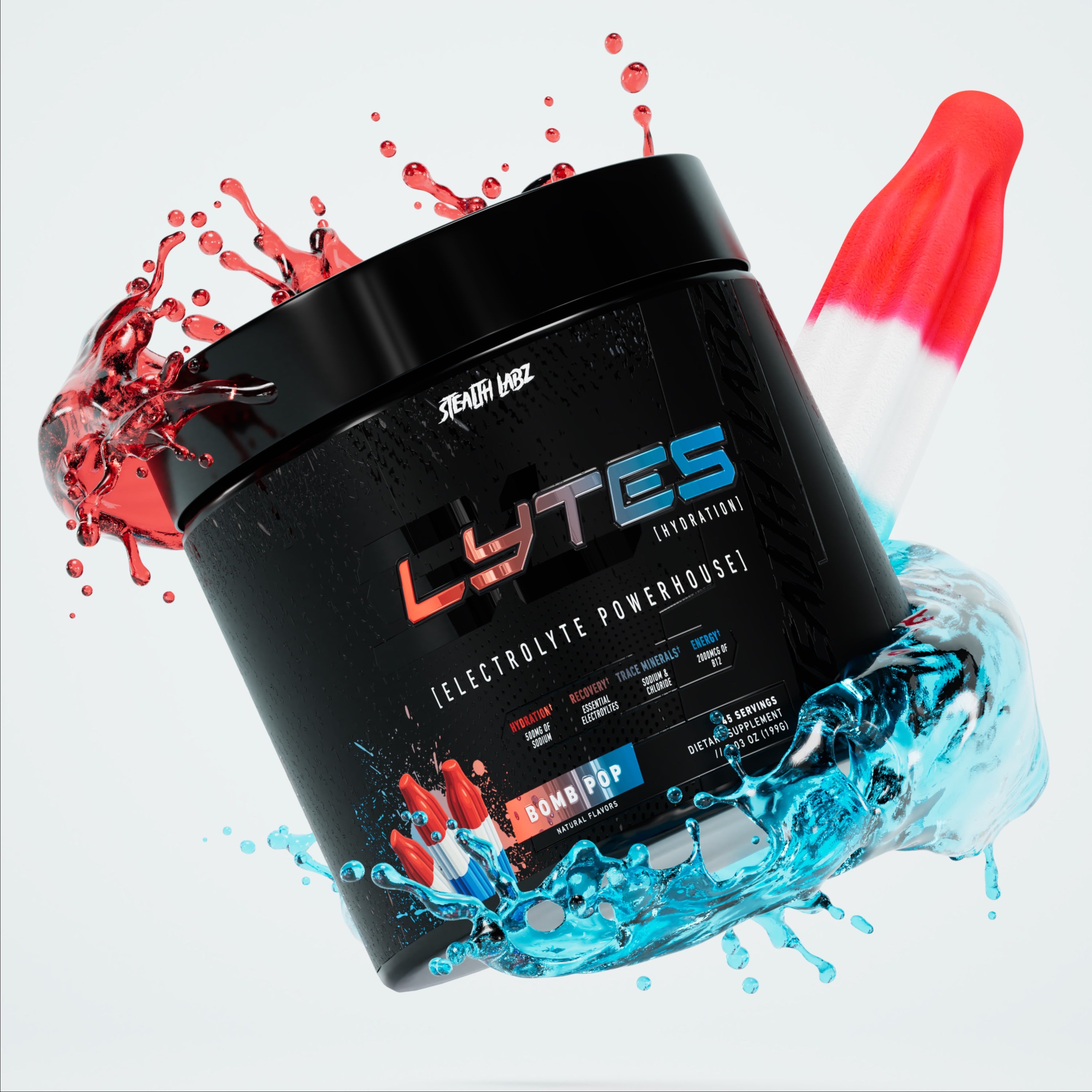
If you train earlier in the day or in the heat, sipping Lytes electrolytes alongside your warm-up helps prevent the cramping and early fatigue that dehydration causes mid-session.
Common Warm-Up Mistakes (According to Lifters Online)
Search through lifting communities on Reddit and Quora and you'll see the same warm-up mistakes come up again and again:
-
Skipping it entirely — "I've always just jumped straight into my working weight and been fine" is a common comment right up until it isn't. Cold-lift injuries are one of the most frequently discussed regrets in lifting forums.
-
Doing a 30-minute warm-up that leaves no energy for the actual workout — over-warming is a real thing. Long foam-rolling and mobility routines have their place, but not immediately before your heaviest lift of the day.
-
Static stretching cold, right before heavy lifts — holding a deep stretch on a cold muscle doesn't reduce injury risk the way people assume, and research suggests it can temporarily reduce force output. Save static stretching for after training.
-
Treating one warm-up set as "enough" — many lifters jump from an empty bar straight to 80% of their working weight. Gradually stepping the weight up in 2–4 stages gives your nervous system time to adapt.
-
Ignoring the specific warm-up for accessory lifts — people warm up for squats and deadlifts, then go straight into heavy rows or overhead press cold. Every major compound lift deserves its own ramp-up.
Does a Pre-Workout Supplement Actually Help Your Warm-Up?
Yes indirectly, but meaningfully. A warm-up prepares your muscles and joints; a smart pre-workout prepares your energy systems and focus. Ingredients like L-Citrulline Malate support blood flow (helping your warm-up sets actually deliver oxygenated blood to the muscle faster), while creatine and beta-alanine support the strength and endurance you'll rely on once your working sets begin.
For more on how pre-workouts and energy support fit into training day, see our breakdown of pre-workout vs energy drinks and this guide to natural energy boosters for the gym.
If your warm-up routine includes light activation work for muscles you'll train hard that day, supporting recovery starts before your first working set. Elevate BCAA/EAA sipped through your warm-up and into your working sets can help protect muscle tissue and keep energy steady from the first ramp-up rep to your last working set.
Frequently Asked Questions
How long should I warm up before lifting?
Most lifters do well with 10–15 minutes total: 3–5 minutes of light cardio, a few minutes of dynamic stretching and activation, then 2–4 progressively heavier ramp-up sets on your first lift. Heavier training days or older lifters may need closer to 15–20 minutes.
Should I stretch before or after lifting?
Save static stretching (holding a stretch for 15+ seconds) for after your workout. Before lifting, use dynamic stretching — movement-based stretches that don't sap strength or power the way static stretching can when done cold.
Do I need to warm up for every exercise, or just the first one?
Every major compound lift (squat, bench, deadlift, overhead press) deserves its own ramp-up sets, since each uses a different movement pattern and joint position. Accessory or isolation exercises usually need just one or two light warm-up sets, not a full ramp.
Can a bad warm-up actually cause an injury?
A missing or rushed warm-up doesn't guarantee injury, but it raises the risk — cold, stiff tissue and an unprepared nervous system are less able to handle sudden heavy loads or a lift that goes slightly off pattern. Most "I felt something pull" stories from lifters involve skipping or shortening the warm-up on a heavy day.
Is cardio necessary before lifting weights?
A few minutes of light cardio (walking, rowing, biking) helps raise your core temperature and gets blood flowing, but it's not a replacement for movement-specific warm-up sets on the actual lift you're about to perform. If you're short on time, prioritize the specific warm-up.
Can supplements replace a proper warm-up?
No — supplements support energy, blood flow, and recovery, but they don't substitute for raising your body temperature, mobilizing your joints, and ramping up the actual lift. Think of a pre-workout as complementing your warm-up, not replacing it.
Final Thoughts
Warming up before lifting isn't the boring part of training — it's the part that lets you train hard, session after session, without losing weeks to an avoidable injury. Raise your temperature, mobilize with dynamic stretching, activate the muscles you're about to train, and always ramp up to your working weight in stages rather than jumping straight to it.
Pair that routine with the right fuel and hydration, and your warm-up stops being a formality and starts being a performance advantage. Start with Surge Pre-Workout for blood flow and energy, sip Lytes to stay hydrated through your warm-up, add Elevate to protect muscle from the first ramp-up set onward, and finish strong with ISO PRO to kickstart recovery once your session ends.
Shop the full Stealth Labz lineup today and build a training routine that starts strong and stays injury-free.



Leave a comment
This site is protected by hCaptcha and the hCaptcha Privacy Policy and Terms of Service apply.