
Whey Protein Isolate Benefits: What the Science Actually Says
Whey protein isolate is whey that's been filtered further than standard concentrate, leaving 90%+ pure protein with almost no lactose, fat, or carbs. That extra purity translates into three practical benefits: faster absorption after training, easier digestion for people sensitive to dairy sugar, and a cleaner macro profile for anyone tracking calories closely.
It's not magic — it's filtration.
If you're still deciding which type of protein to buy in the first place, start with our full protein supplement comparison guide. This article assumes you're leaning toward isolate and want to know if the benefits hold up.

What Actually Changes When Whey Is Filtered Into Isolate
Whey starts as a liquid byproduct of cheesemaking. To turn it into an isolate, manufacturers run it through additional filtration (cross-flow microfiltration or ion exchange) that strips out most of the fat and lactose while concentrating the protein to 90%+ by weight.
The amino acid profile itself doesn't change, isolates and concentrates contain essentially the same amino acids; what changes is how much "extra" comes along with each gram of protein.
Three Benefits That Actually Hold Up
1. Faster absorption for post-workout recovery. Because isolate carries less fat to slow gastric emptying, it reaches your bloodstream faster than concentrate — typically within 30–60 minutes. For muscle protein synthesis, getting amino acids (especially leucine) to muscle tissue promptly after training is one of the more consistently supported findings in sports nutrition research.
2. Easier digestion for lactose-sensitive lifters. Isolate removes the majority of lactose during filtration. This is the single most common reason people switch from concentrate to isolate, not because concentrate is a worse protein, but because the lactose in concentrate causes bloating and gas for a meaningful share of adult lifters (lactose intolerance affects a large portion of the global adult population).
If you've ever felt fine on isolate but bloated on cheaper "protein blends," this is almost always why.
3. A cleaner macro profile for cutting or recomposition. With 1–3g of carbs and fat per serving versus concentrate's 3–7g, isolate gives you more usable protein per calorie — useful if you're tracking macros tightly during a cut.
What Isolate Doesn't Do
To keep this evidence-based: isolate does not build muscle faster than concentrate gram-for-gram of protein, the amino acid delivery is comparable once you account for absorption speed.
It doesn't have a unique "fat-burning" effect beyond the general role protein plays in satiety and preserving lean mass during a deficit.
And it's still a dairy product, not suitable for vegans or those with a true milk allergy (as opposed to lactose intolerance, which isolate mostly sidesteps).
Where ISO PRO Fits
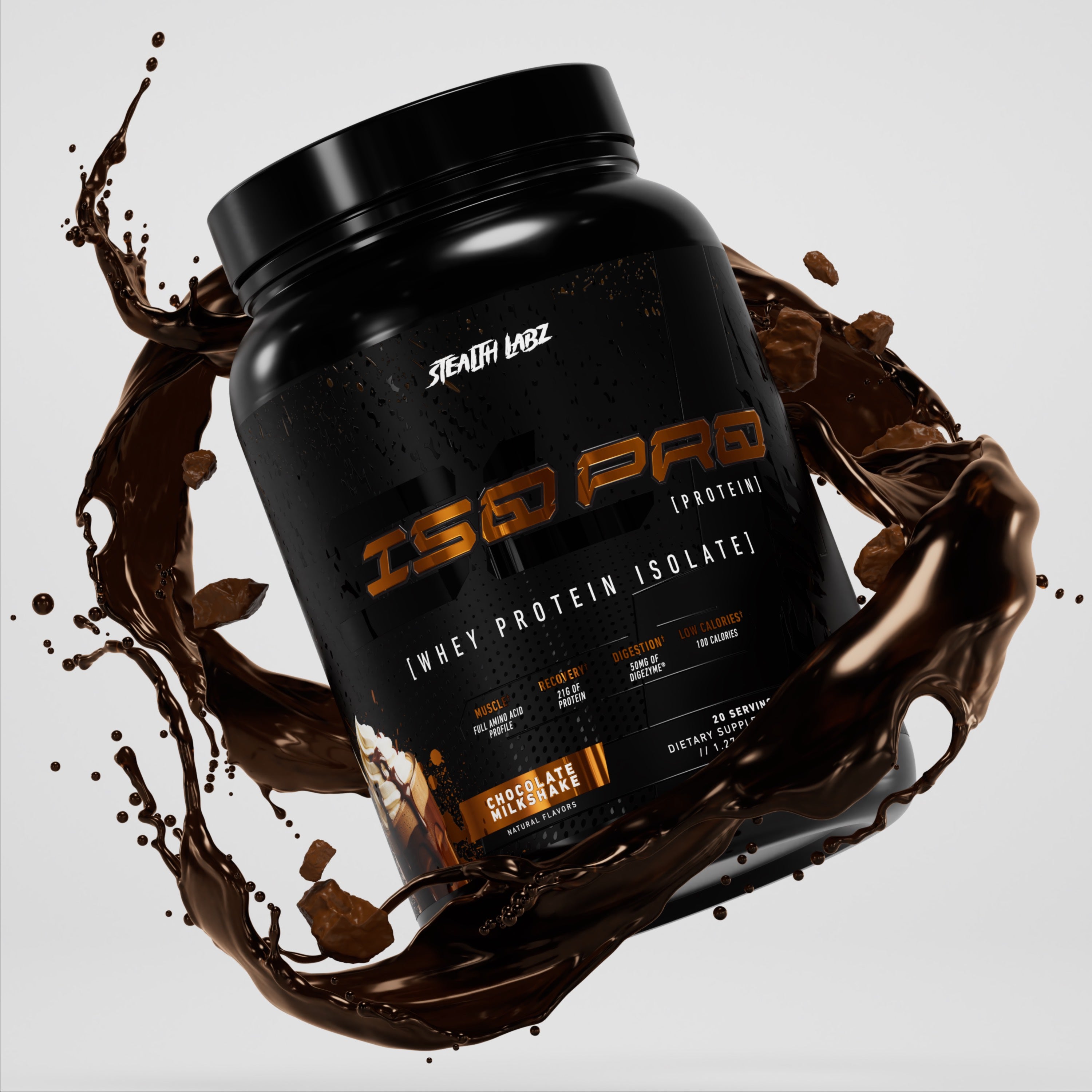
ISO PRO delivers roughly 21g of whey isolate protein per scoop with DigeZyme® digestive enzymes added specifically to reduce the digestive discomfort some people still get even on isolate. It's priced at $37.99, in the mid-range for isolate products, with third-party quality testing.
Pros:
-
90%+ protein purity with minimal carbs/fat
-
Fast absorption, useful post-workout
-
Added digestive enzyme blend for comfort
-
Clean flavor without added sugar
Cons:
-
Costs more per serving than concentrate
-
Dairy-based — not suitable for vegans or milk allergies
-
Overdoing any protein source without adequate fiber/water can cause mild digestive discomfort
Best for: lifters in a cutting or recomp phase, anyone lactose-sensitive but not vegan, and people who want a fast post-workout protein without extra fillers.
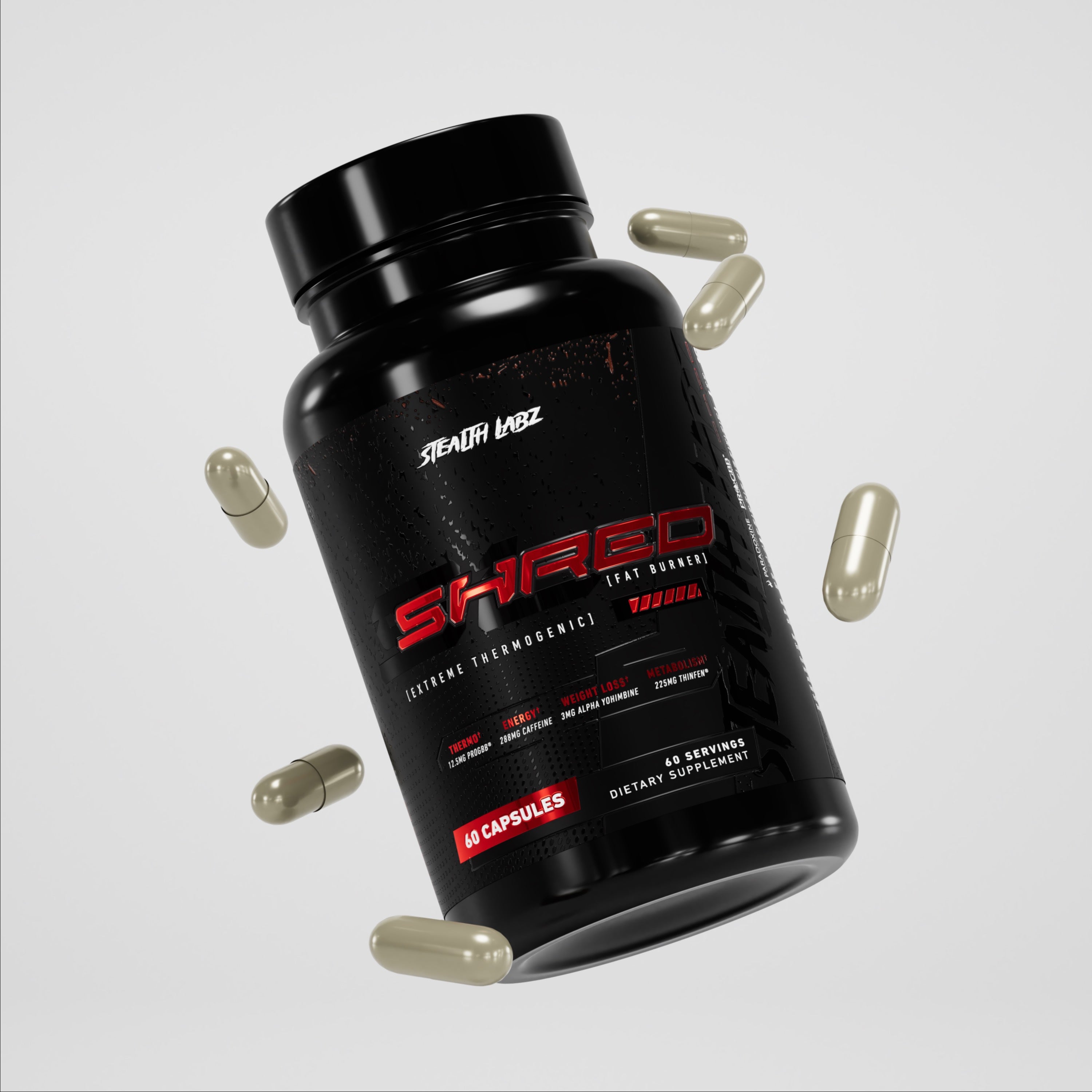
Smart stacking: Pair with Surge Pre-Workout for training days, Shred Thermogenic if fat loss is the primary goal, or Elevate BCAA/EAA for intra-workout support.

FAQs
Can I take whey isolate every day?
Yes — it's safe and effective as a daily protein source for healthy adults. Adjust the amount based on your total daily protein target and activity level.
Does whey isolate help reduce belly fat specifically?
Not directly. It supports fat loss the way any adequate protein intake does — by increasing satiety and helping preserve muscle mass during a calorie deficit — not through any isolate-specific fat-burning mechanism.
Is whey isolate actually better than regular whey, or is it marketing?
It's a real difference, not just marketing — isolate has measurably less lactose, fat, and carbs per gram of protein, and typically absorbs faster. Whether that's worth the extra cost depends on your goal: if you're cutting or lactose-sensitive, yes; if you just want general muscle-building protein on a budget, concentrate works fine too.
How fast does whey isolate actually absorb compared to concentrate?
Isolate is typically absorbed within 30–60 minutes; concentrate takes somewhat longer due to its higher fat content slowing gastric emptying. Both fully digest well within a normal eating window, so the difference matters most for immediate post-workout timing.
Is whey protein isolate safe for lactose intolerance?
Most lactose-intolerant people tolerate isolate well since the majority of lactose is filtered out, but trace amounts remain. If you have a severe intolerance, test a small serving first or consider a plant-based protein instead.
Conclusion
Whey protein isolate like ISO PRO is the best clean protein powder for anyone serious about muscle growth, faster recovery, fat management, and peak performance. Pure, powerful, and convenient—it's the supplement that delivers results without compromise.
Related Reading & Shop
-
High Protein Supplement Guide: How to Pick the Right One — start here if you haven't picked a protein type yet

Leave a comment
This site is protected by hCaptcha and the hCaptcha Privacy Policy and Terms of Service apply.