

How Much Water Should You Drink to Lose Weight Fast?
Quick answer: Most people trying to lose weight should aim for roughly half their body weight in ounces of water per day — about 75 ounces (9 cups) for a 150-lb person and increase that by 12–20 ounces for every hour of exercise. Water alone won't melt fat off your body, but it directly supports the two mechanisms that make a calorie deficit easier to sustain: appetite control and metabolic rate.
Below, we break down exactly how much water to drink, when to drink it for the biggest effect, and what water can and can't actually do for weight loss backed by the research, not just gym folklore.
How Much Water Should You Drink to Lose Weight? The Actual Numbers
There's no single number that applies to everyone, but here are the three methods worth knowing:
The body-weight method (most practical): Drink half your body weight in ounces daily. A 150 lb person aims for 75 oz (about 9 cups); a 200 lb person aims for 100 oz (12.5 cups).
The general guideline (Institute of Medicine): Roughly 13 cups (about 3 liters) per day for men and 9 cups (about 2.2 liters) per day for women, from all beverages and food combined — not just plain water.
The "8x8" rule: Eight 8-ounce glasses (64 oz/day). This is the most commonly cited number, but nutrition researchers point out it was never based on strong evidence and is really a floor, not a target, for anyone who's active or trying to lose weight.
Adjust upward if you're training hard, live somewhere hot, or are in a caloric deficit (your body pulls some water from food when you eat less, so you need to replace more of it through drinking).
Does Drinking Water Actually Help You Lose Weight?
The honest answer: water supports weight loss, but it isn't a fat-loss mechanism on its own.
Here's what the research actually shows:
-
A 2015 study had women drink 8.5 oz of water after lunch for 24 weeks; that group lost 13.6% more weight than a group drinking a diet beverage instead — evidence that swapping calorie-containing drinks for water matters more than the water itself.
-
Multiple studies on "preloading" — drinking about 17 oz of water 30 minutes before a meal — have shown modest but real weight-loss benefits, in the range of 2–5 lbs over three months, likely because it reduces how much food people eat at that meal.
-
An older study measuring resting energy expenditure found cold water produced a small increase (~23 extra calories burned per day) from your body warming it to core temperature. That's a real effect, but it's not a shortcut — 23 calories is less than one bite of food.
-
Not every study agrees. A nutrition researcher at the University of Alabama at Birmingham has pointed out that the "water burns fat" idea is overstated, and a 2018 study found no measurable weight effect from increased water intake in overweight adolescents.
The takeaway: water's real value for weight loss is behavioral, not chemical. It fills stomach space, gets confused for hunger less often and critically is the easiest high-calorie beverage to replace with zero calories. It's a supporting habit, not a standalone weight-loss method.
When to Drink Water for the Best Weight-Loss Effect
Timing changes the results more than most people expect:
-
Before meals: 17 oz about 30 minutes before eating is the timing used in most of the positive weight-loss studies above.
-
First thing in the morning: Rehydrates you after 7–8 hours without fluids and is an easy habit anchor.
-
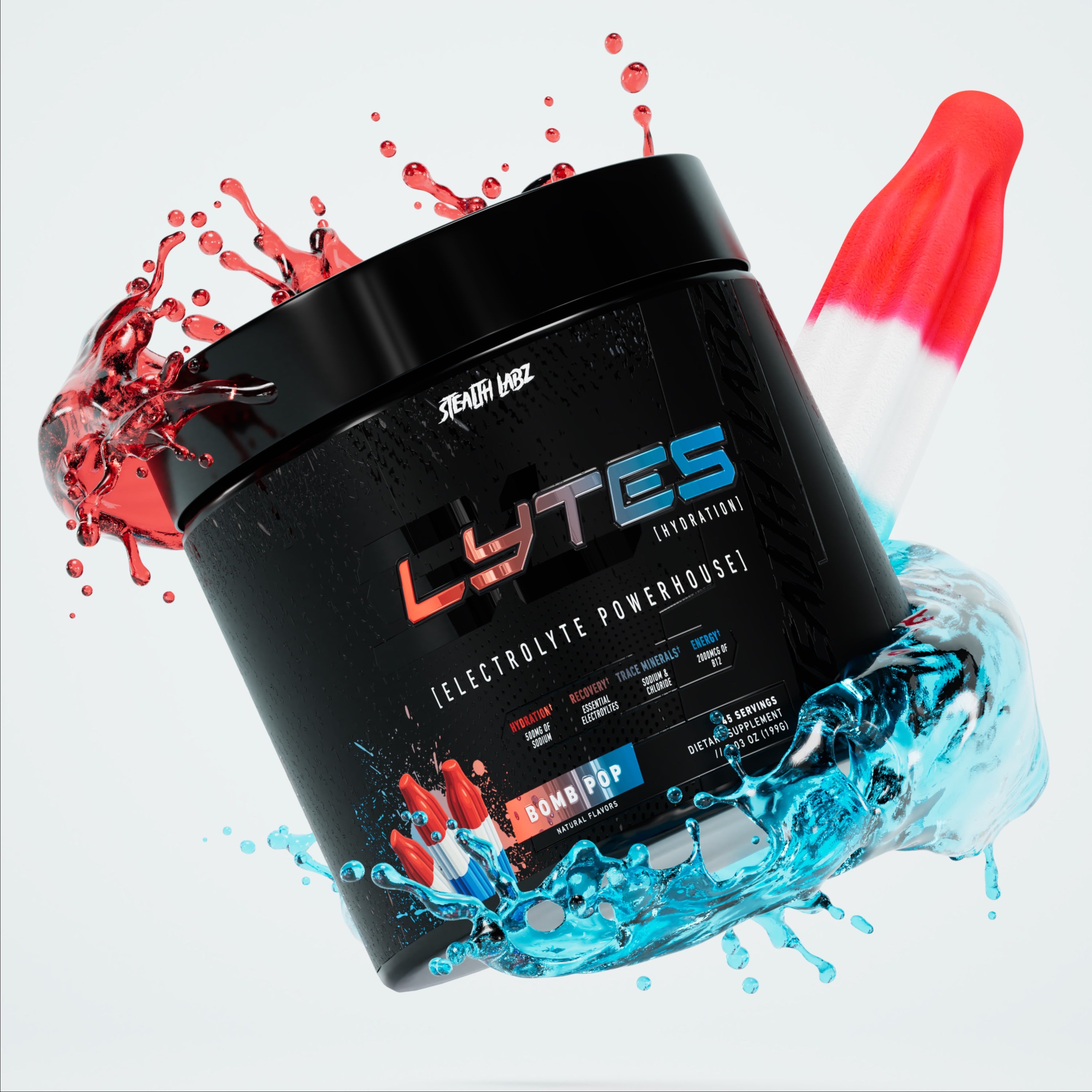
Around workouts: Replace fluids during and after training, and pair with an electrolyte formula like Lytes if you're sweating heavily — plain water alone doesn't replace the sodium and potassium you lose through sweat, and under-replacing electrolytes while over-drinking water is what causes the rare but real risk of hyponatremia (see below).
-
Instead of, not in addition to, sugary drinks: The 4-year study referenced above found that swapping one sugar-sweetened beverage per day for water was linked to meaningfully less long-term weight gain. This swap does more for your results than adding extra water on top of your current intake.

Why Am I Drinking a Lot of Water and Still Not Losing Weight?
This is one of the most common questions people run into and there are a few real explanations:
-
You're still in a calorie surplus. Water can reduce appetite, but it doesn't create a deficit by itself you still need to eat less than you burn.
-
You're confusing water weight with fat loss. Cutting sodium or carbs can drop the number on the scale by several pounds in days, almost entirely from water, not fat. This isn't real fat loss and it comes back as soon as you eat normally again.
-
You're under-eating protein. Water suppresses appetite short-term, but low protein intake makes hunger worse overall, which can offset water's benefit.
-
You're not accounting for electrolytes. Drinking large volumes of plain water without replacing sodium and potassium can leave you feeling bloated and fatigued, which some people misread as "water isn't working." Pairing water with an electrolyte supplement, especially on training days, tends to fix this.
Can Drinking Too Much Water Be Dangerous?
Yes, though it's rare. Drinking excessive amounts of water in a short period especially during intense or prolonged exercise without replacing electrolytes can dilute your blood sodium levels and cause a condition called hyponatremia. Symptoms include nausea, headache, confusion, and in severe cases, seizures.
This is uncommon in normal daily hydration but is a genuine risk for endurance athletes drinking large volumes without electrolyte replacement. The fix is straightforward: don't force-drink far beyond thirst, and use an electrolyte formula during long or hot-weather training sessions rather than plain water alone.
Signs You're Actually Dehydrated (Not Just Thirsty)
-
Headache or fatigue that shows up mid-workout
-
Dark yellow urine (pale yellow is the target)
-
Dizziness or lightheadedness when standing up
-
Dry mouth or unusually dry skin
-
Reduced workout performance or motivation
If you notice these regularly, increase your baseline intake using the body-weight method above, and consider whether you're also replacing electrolytes not just water, especially if you train in heat or sweat heavily.
Frequently Asked Questions About Water and Weight Loss
How much water should I drink daily to lose weight fast?
Use half your body weight in ounces as your baseline about 75 oz for a 150 lb person and add 12–20 oz per hour of exercise. There's no faster number that's actually safe; drinking far beyond this doesn't accelerate fat loss and raises your risk of diluting blood sodium.
Can drinking water help you lose belly fat specifically?
No. Water doesn't target fat loss in any specific area. It supports overall weight loss by curbing appetite and replacing higher-calorie drinks, and total body fat loss (which includes the abdomen) follows from a sustained calorie deficit, not from water alone.
Why am I not losing weight even though I drink a lot of water?
Most commonly it's because total calorie intake is still above what you burn, or because you're mistaking water retention for fat loss. Water supports a deficit it doesn't replace the need for one.
Is drinking water before meals actually backed by research, or is it a myth?
It's backed by research. Multiple controlled studies on "preloading" drinking roughly 17 oz about 30 minutes before eating show real, if modest, weight-loss benefits, most likely from reduced calorie intake at the meal that follows.
How much water weight can I lose in a week, and is that the same as fat loss?
You can lose several pounds of water weight quickly by cutting sodium or carbohydrates, but this is not fat loss it's fluid shifting, and it returns once you eat normally. Rapid, extreme water-weight-cutting methods are not recommended without medical supervision.
Do I need electrolytes if I'm just drinking more water to lose weight?
Not necessarily for light daily hydration, but yes if you're training intensely, sweating heavily, or drinking large volumes in a short period. Water without electrolyte replacement during heavy sweat loss is a real (if rare) risk factor for hyponatremia pairing water with a formula like Lytes covers this gap.
Does cold water burn more calories than room-temperature water?
Slightly. Research measuring resting energy expenditure found cold water produced a small, measurable increase from your body using energy to warm it — around 23 extra calories per day in one study. It's a real effect, but too small to meaningfully change weight-loss results on its own.
The Bottom Line
Water is a genuinely useful tool for weight loss, but it works by supporting appetite control and replacing higher-calorie drinks, not by burning fat directly. Aim for roughly half your body weight in ounces daily, drink a glass 30 minutes before meals, and increase intake on training days while pairing it with electrolytes to avoid the fatigue and bloating that undermine consistency. Combine that habit with a real calorie deficit, adequate protein, and training, and water becomes one of the easiest, lowest-effort levers you have.

%20for%20a%20150-lb%20person%20and%20increase%20that%20by%2012%E2%80%9320%20ou...)
Leave a comment
This site is protected by hCaptcha and the hCaptcha Privacy Policy and Terms of Service apply.