

Do Vitamins Help With Hydration? What Actually Rehydrates You
Quick answer: No — not directly. Vitamins support energy metabolism and overall wellness, but they don't regulate fluid balance in the body. Hydration is controlled by electrolytes sodium, potassium, magnesium, and chloride. If you're searching for the "best vitamin for hydration," the more accurate answer is that electrolytes, not vitamins, are what actually keep you hydrated.
This is a common point of confusion because hydration multivitamins and electrolyte powders are often marketed in the same aisle. Below, we break down what each one actually does, which ingredients matter for hydration specifically, and when you need one versus the other.
Electrolytes vs Vitamins: What's the Real Difference?
Electrolytes regulate fluid balance directly. Sodium, potassium, magnesium, and chloride carry electrical charges that control how water moves in and out of your cells. When you sweat, you lose these minerals, and your body's ability to hold onto fluid drops with them which is why plain water alone doesn't always fully rehydrate you after a hard workout.
Vitamins support the systems around hydration, not hydration itself. B vitamins support energy metabolism, which can help you feel less sluggish during training. Vitamin C supports general immune and antioxidant function. Vitamin D supports muscle and hormone function. None of these vitamins move water into your cells or help you retain fluid the way electrolytes do.
|
Electrolytes |
Vitamins |
|
|
Directly regulates fluid balance |
Yes |
No |
|
Lost through sweat |
Yes (sodium, potassium especially) |
Minimal |
|
Needed during/after intense exercise |
Yes |
Situational |
|
Primary role |
Fluid & muscle function |
Energy metabolism, general wellness |
Do You Actually Need an Electrolyte Supplement?
This is the honest, less-marketed answer: not always. Sports nutrition researchers are fairly consistent on this point if your training sessions are under about 60 minutes, you're in a temperate or air-conditioned environment, and you eat a normal varied diet, you're probably getting enough electrolytes from food and don't need a dedicated supplement for a typical gym session.
Electrolyte supplementation becomes genuinely useful when:
-
You're training longer than 60–90 minutes, especially at high intensity
-
You're exercising in heat or humidity, or sweating heavily
-
You're doing two-a-day training sessions
-
You're in a caloric deficit or cutting sodium intentionally, which can lower your baseline electrolyte levels
-
You're recovering from illness involving fluid loss (vomiting, diarrhea, fever)
If none of those apply to your typical week, you likely don't need to reach for an electrolyte packet every day but on the days you do sweat heavily or train long, replacing electrolytes matters more than just drinking more water (plain water without electrolytes can actually dilute your existing sodium levels further).
The Ingredients That Actually Matter for Hydration
Sodium is the primary electrolyte for fluid retention. It's the first ingredient to look for on a hydration product's label, especially for workouts over an hour.
Potassium works alongside sodium to balance fluid inside versus outside your cells and supports normal muscle contraction. Low potassium is a common contributor to exercise-related cramping.
Magnesium supports muscle relaxation and energy production; deficiency is linked to cramping and fatigue during longer training sessions.
Chloride works with sodium to maintain overall fluid balance and is often overlooked on labels despite being one of the core hydration electrolytes.
Amino acids (optional but useful during training): Not a hydration ingredient technically, but many hydration formulas add BCAAs/EAAs because they support muscle recovery during the same window you're replacing fluids which is why our Elevate BCAA/EAA formula combines both.
What About Sugar in Electrolyte Products?
Worth knowing: many popular electrolyte drinks and powders include meaningful added sugar. A small amount of sugar (in the ratio used in true sports drinks) can actually help your body absorb water faster during long endurance efforts but most commercial products go well beyond that amount for taste, not function.
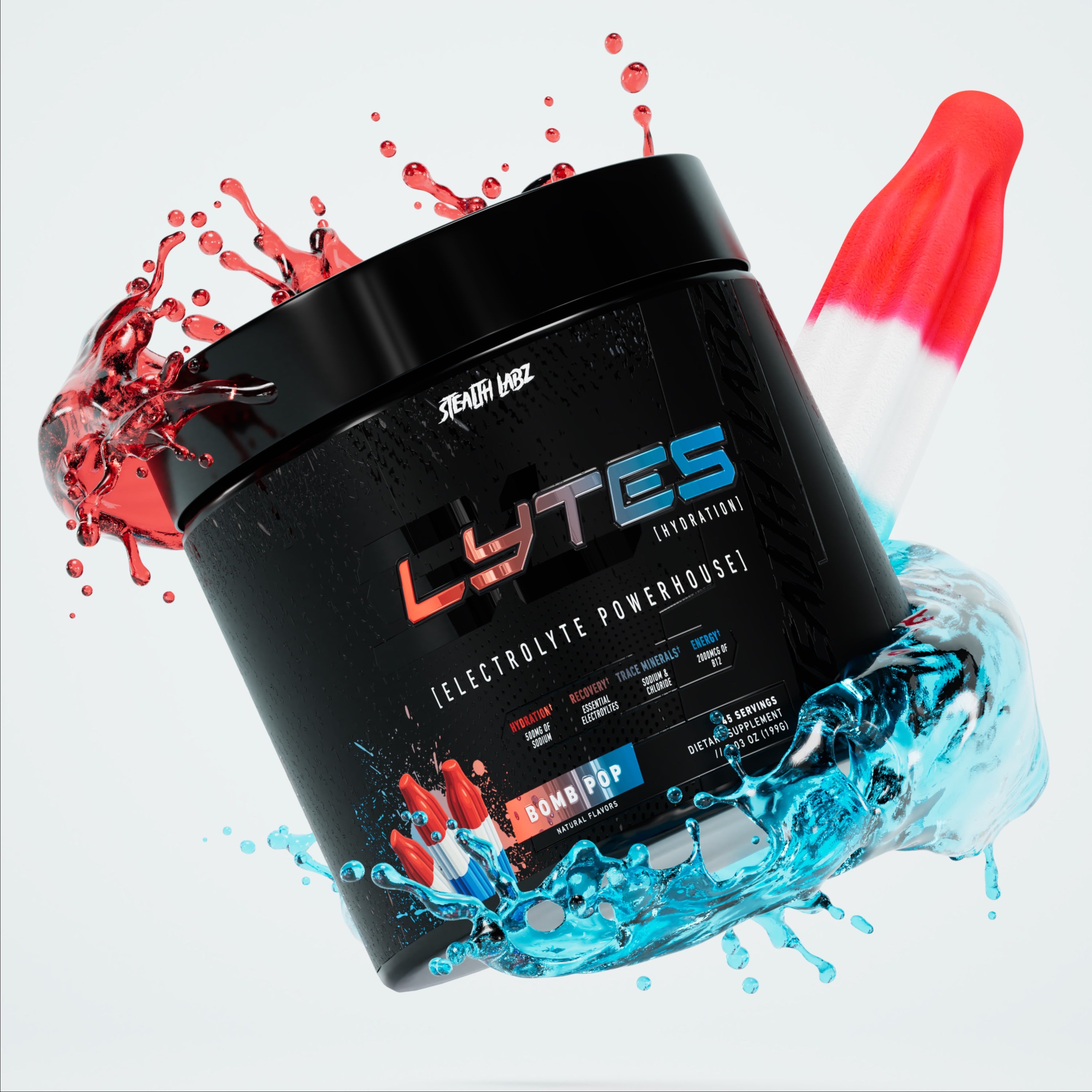
If you're using an electrolyte supplement primarily for a normal strength-training session rather than endurance racing, a low- or no-sugar formula (like Lytes) gets you the hydration benefit without the extra calories.
Stealth Labz Options for Hydration Support
-
Lytes Electrolyte Hydration Formula ($33.99) — sodium, potassium, and magnesium for direct fluid and mineral replacement during and after training.
-
Elevate BCAA/EAA Recovery + Hydration Formula ($33.99) — combines electrolytes with essential amino acids for sessions where you want hydration and recovery support together.
-
Ultimate Hydration Stack ($58.50, regular $67.98) — Lytes and Elevate bundled for a complete hydration + recovery routine, at a 14% saving over buying separately.
Who Should Prioritize Electrolytes Over Vitamins for Hydration
-
Endurance athletes and anyone training over an hour electrolyte replacement is the higher-priority need.
-
People training in heat or humidity, or who sweat heavily same as above, sodium loss is the limiting factor, not vitamin intake.
-
Anyone in a caloric deficit or cutting carbs/sodium lower baseline sodium makes supplementation more useful than usual.
-
General daily wellness, non-athletes a normal diet plus consistent water intake is usually sufficient; a B-complex or vitamin C supplement supports energy and general health but isn't solving a hydration problem specifically.
If you have a medical condition, take medication affecting fluid or electrolyte balance, or experience ongoing dehydration symptoms, talk to a healthcare provider before starting any supplement this applies to electrolytes and vitamins alike.

Frequently Asked Questions
Do vitamins help with hydration at all?
Indirectly. Vitamins like B-complex and vitamin C support the energy metabolism and overall wellness systems around your training, but they don't regulate fluid balance the way electrolytes do. If hydration itself is the goal, electrolytes are the more direct answer.
What is the best vitamin for hydration?
There isn't a single vitamin that directly hydrates the body. If you're specifically looking to support hydration, an electrolyte formula with sodium, potassium, and magnesium will do more than any single vitamin.
Do I need electrolyte supplements for a normal, under-an-hour gym session?
Usually not. If you train under about 60 minutes in a temperate environment and eat a varied diet, you're likely getting sufficient electrolytes from food. Electrolyte supplements become more useful for longer, more intense, or hot-weather sessions.
Is too much sugar in electrolyte drinks a real concern?
Yes, for regular use. A small amount of sugar helps water absorption during true endurance exercise, but many commercial electrolyte drinks include more sugar than needed for a typical strength-training session. Choosing a low-sugar formula avoids adding unnecessary calories to a daily hydration routine.
Can I take electrolytes and a multivitamin together?
Yes — they serve different purposes and don't conflict. Electrolytes address fluid and mineral balance around training; a multivitamin supports broader nutritional gaps. Many people use both without issue.
How do I know if I need more electrolytes versus more plain water?
If you're drinking consistently but still feel fatigued, crampy, or notice a headache during or after long or hot workouts, that pattern points to an electrolyte gap rather than a plain-water shortfall — plain water alone doesn't replace the sodium and potassium lost through sweat.
The Bottom Line
Vitamins support your body's overall function, but electrolytes are what actually control hydration. If your goal is genuinely rehydrating during or after training, look for sodium, potassium, magnesium, and chloride on the label first, vitamins are a secondary, general-wellness add-on, not a hydration solution on their own.
Related articles



Leave a comment
This site is protected by hCaptcha and the hCaptcha Privacy Policy and Terms of Service apply.