

How Many Sets Per Week for Maximum Muscle Growth (Science-Backed Guide)
You're in the gym four, maybe five days a week. You're eating enough protein. You're not missing sessions. So why does your progress feel slower than it should be?
For most lifters, the answer isn't effort, it's volume. Too few sets and you're leaving muscle growth on the table. Too many and you're accumulating fatigue without extra payoff, a mistake known as "junk volume." The question every serious lifter eventually asks is: how many sets per week actually drives muscle growth, and how many is just wasted effort?
This guide breaks down what the research actually says, not bro-science guesswork — so you can build a training volume that matches your experience level, recovery capacity, and goals.
How Many Sets Per Week Do You Really Need?
Across multiple meta-analyses and systematic reviews on resistance training volume, the consensus lands in a fairly consistent range:
-
Minimum effective volume: 4–10 sets per muscle group per week can produce measurable hypertrophy, especially in beginners.
-
Optimal range for most lifters: 10–20 hard sets per muscle group per week is where the majority of research shows the strongest dose-response relationship with muscle growth.
-
Diminishing returns / upper limit: Beyond roughly 20 sets per week, most studies show little to no additional hypertrophy for the average lifter and some research suggests training volume exceeding 16 sets in a single session may actually work against your gains due to accumulated fatigue.
In other words, more sets help, until they don't. Past a certain point, extra sets mostly add recovery demand and injury risk without adding muscle.
Explore the Muscle Growth blog for more training and nutrition breakdowns →
Set Ranges by Training Experience
Your ideal weekly set count isn't fixed, it shifts as you get more trained.
Here's how it typically breaks down:
|
Experience Level |
Recommended Sets Per Muscle Group/Week |
Why |
|
Beginner (0–1 year) |
6–10 sets |
Muscles respond to almost any consistent stimulus; more isn't necessary yet |
|
Intermediate (1–3 years) |
10–16 sets |
Adaptation has slowed, so more volume is needed to keep progressing |
|
Advanced (3+ years) |
16–20+ sets |
Near your genetic ceiling for that muscle; more targeted volume is required to force further growth |
If you're newer to lifting, resist the urge to copy an advanced lifter's 25-set arm day. Research on untrained women performing calf raises found that even 6 weekly sets produced real hypertrophy, the extra volume in the 12-set group only added a modest edge. Start lower, master your form and mind-muscle connection, and add sets as your progress stalls.
Sets Per Session vs Sets Per Week: Why the Split Matters
One of the most misunderstood parts of training volume is the difference between total weekly sets and sets per session.
Doing 18 sets for the chest in a single Monday workout is not the same as spreading those 18 sets across two sessions in the week. Research consistently shows:
-
6–10 hard sets per muscle group per session is the sweet spot before returns start flattening within that workout.
-
Training a muscle twice per week (rather than once) at the same total weekly volume tends to produce equal or better results, with less soreness and better performance per set.
-
Cramming too many sets into one session increases muscle damage without proportionally increasing the growth signal, this is a major source of "junk volume."
Practical takeaway: If your target is 16 weekly sets for back, doing two sessions of 8 sets each is generally a smarter split than one brutal 16-set day.
Set Ranges by Muscle Group
Not every muscle group needs or can recover from the same volume. Larger, more resilient muscle groups typically tolerate (and often need) more volume than smaller ones:
-
Legs (quads, hamstrings, glutes): 12–20 sets per week, split across 2 sessions
-
Back: 12–20 sets per week: back responds well to both vertical and horizontal pulling volume
-
Chest: 10–18 sets per week
-
Shoulders: 10–16 sets per week (remember, pressing movements already contribute indirect shoulder volume)
-
Biceps/Triceps: 8–14 direct sets per week (compound pulling/pressing work already provides indirect volume)
-
Calves: 8–16 sets per week: calves tend to be volume-tolerant and slow to respond
Smaller muscle groups get significant indirect volume from compound lifts. A heavy bench press session, for example, is already training your triceps and shoulders before stacking on extra isolation sets.
Why More Sets Isn't Always Better
It's tempting to think doubling your sets will double your results. It won't and for a specific reason: recovery is the bottleneck, not stimulus.
Every hard set creates muscle damage and metabolic fatigue that your body needs to repair before it can grow. Stack too many sets without matching recovery, and you get:
-
Elevated soreness that limits your next session's performance
-
Reduced training quality (form breakdown, lower effort per rep)
-
Slower progress despite doing "more work"
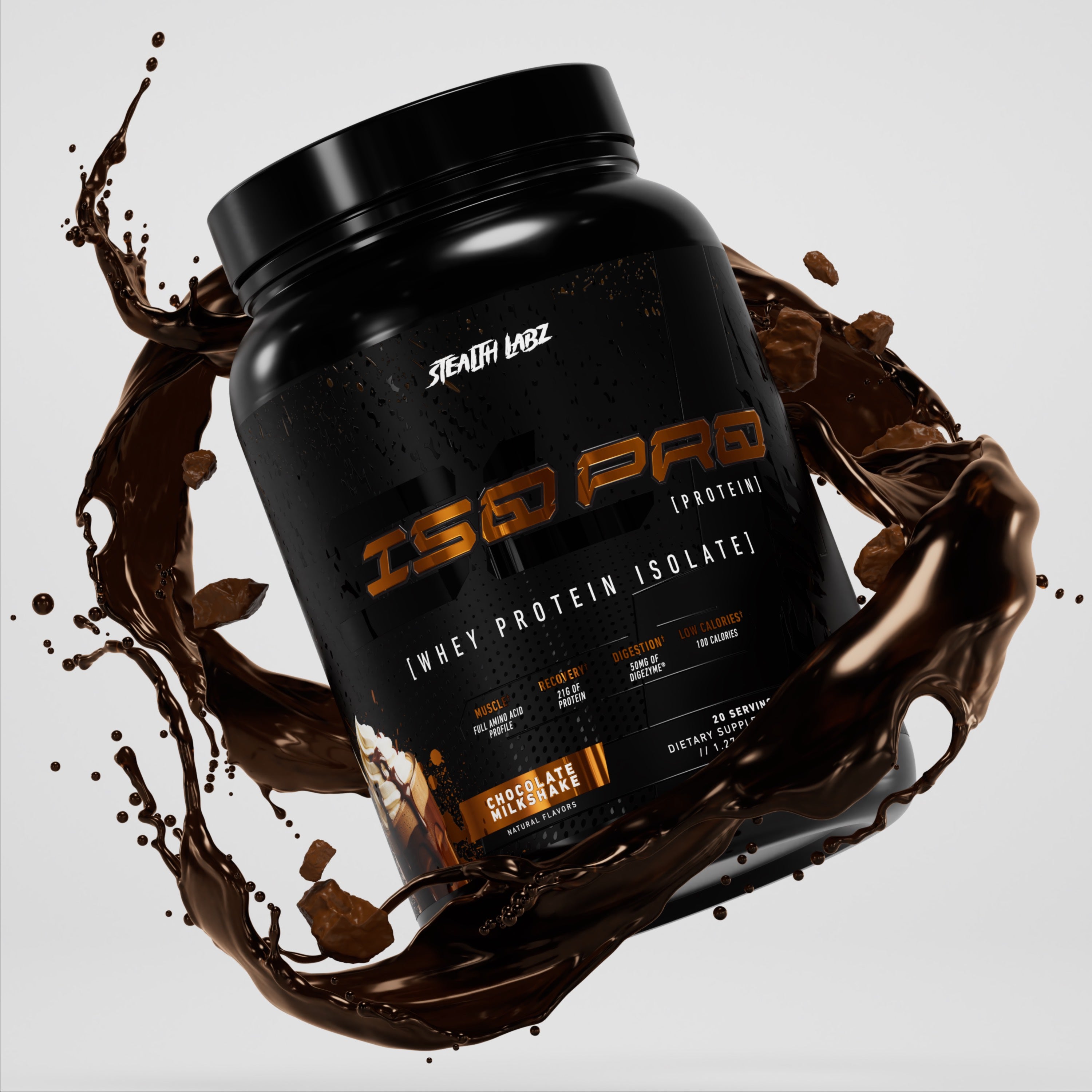
This is where recovery-focused nutrition becomes just as important as programming your sets. Adequate protein intake supports the muscle repair process your added volume depends on which is exactly why a fast-digesting whey isolate like ISO PRO is a staple in most serious lifters' post-workout routines, and why amino-acid support from ELEVATE helps reduce next-day soreness so you're ready to hit your next set of volume on schedule.
See how recovery supplements support higher training volume →
Signs You're Doing Too Many (or Too Few) Sets
You're likely under-training if:
-
You're finishing workouts feeling like you barely broke a sweat
-
Your lifts have been stuck at the same weight/reps for 6+ weeks despite eating and sleeping well
-
You're training each muscle group only once every 10+ days
You're likely over-training if:
-
Soreness is lasting 4+ days and interfering with your next session
-
Your strength on later sets (or later workouts) is consistently dropping
-
You're constantly fatigued, unmotivated, or your sleep quality has declined
-
You've added volume for weeks with no strength or size progress
If you're seeing signs of overtraining, the fix usually isn't more discipline — it's a deload week or a temporary volume cut, paired with tightening up sleep, calories, and protein intake.
How to Structure Your Weekly Sets
A practical way to apply all of this:
-
Pick your weekly set target per muscle group based on your experience level (see the table above).
-
Split it across 2 sessions per week per muscle group where possible, rather than one large session.
-
Track your sets — a notes app or lifting log works fine. Most lifters underestimate how much (or little) volume they're actually doing.
-
Increase volume gradually — add roughly 1–2 sets per muscle group every 1–2 weeks, not all at once.
-
Deload every 4–8 weeks by cutting volume by ~40–50% for a week to let your body fully recover and supercompensate.
Shop the Muscle Building Stack to support higher training volume →
Frequently Asked Questions
How many sets per week is too many?
For most lifters, going well beyond 20–25 sets per muscle group per week starts producing diminishing or negative returns, since recovery capacity becomes the limiting factor rather than additional stimulus. Advanced, well-recovered athletes can sometimes tolerate more, but for most people it's a sign to pull back rather than push further.
Is 10 sets per week enough to build muscle?
Yes, for many lifters — especially beginners and intermediates — 10 sets per muscle group per week falls within the range shown to produce meaningful hypertrophy. It's often a good starting point before you assess whether more volume is needed to keep progressing.
Should I do all my weekly sets in one workout?
Generally, no. Research suggests splitting weekly volume across two sessions per muscle group per week tends to be equally or more effective than cramming it into a single session, while also reducing excessive soreness and fatigue.
How many sets per week for arms specifically?
Biceps and triceps typically respond well to 8–14 direct sets per week, on top of the indirect volume they already receive from compound pressing and pulling movements like bench press, rows, and pull-ups.
Do more sets mean I need more protein and recovery support?
Yes. Higher training volume increases muscle protein breakdown and recovery demand, which is why protein intake, sleep, and amino acid support become more important as your weekly sets go up — without them, added volume is more likely to lead to fatigue than growth.
How long before I see results from increasing my sets?
Most lifters notice improved pump and workout capacity within 1–2 weeks of a volume increase, with visible size and strength changes typically showing up over 6–8 weeks of consistent training at the new volume.
Read More on Stealth Labz Blogs
-
Whey Protein Isolate vs. Concentrate: Ultimate Muscle-Building Showdown — Choosing the right protein for your recovery needs.
-
Best Muscle Recovery Supplements for Men in 2026 — Build a recovery stack that supports higher training volume.
-
Fat Burning Guides — Manage training volume while cutting.
Final Thoughts
There's no single magic number of sets that works for everyone but the research gives us a solid, evidence-based range: most lifters build the most muscle training each group with 10–20 hard sets per week, split across two sessions, and adjusted up or down based on training experience and recovery capacity.
Volume gets you the stimulus. What you do outside the gym protein, sleep, and recovery determines whether that stimulus actually turns into muscle. Fuel your training with ISO PRO for muscle repair, support recovery between sessions with ELEVATE and back your hormonal recovery with Alpha Extreme so your added volume actually turns into gains.
Track your sets, be patient with progression and let the data, not guesswork, guide your training.
Shop the Muscle Building Stack and build a routine that matches your volume with the recovery to back it up.



Leave a comment
This site is protected by hCaptcha and the hCaptcha Privacy Policy and Terms of Service apply.