
Does Whey Protein Isolate Help You Lose Weight?
Whey protein isolate doesn't burn fat directly. What it does is preserve lean muscle while you're in a calorie deficit and increase satiety, which makes the deficit easier to stick to — and that's what actually drives the weight loss. Used correctly, it's a tool that supports the process, not a fat burner on its own.
A lot of marketing around protein and weight loss blurs this distinction, so let's be precise about it before getting into how to actually use it.
The Real Mechanism: Why Protein Helps With Fat Loss
It preserves muscle during a deficit. When you eat fewer calories than you burn, your body pulls energy from both fat and muscle tissue unless it has enough protein to signal "keep the muscle, use the fat." Adequate protein intake — especially combined with resistance training — shifts that balance toward fat loss while protecting the muscle you've built.
It increases satiety. Protein is the most filling macronutrient gram-for-gram. Replacing some carbs or fat with protein tends to reduce hunger and, in turn, reduce the chance of overeating later in the day.
It has a higher thermic effect. Your body burns more calories digesting protein (roughly 20–30% of its calories) than it does digesting fat (0–3%) or carbs (5–10%). This is a real but modest effect — not a "burn extra fat" mechanism on its own.
None of this means protein "melts fat." It means protein makes the calorie deficit — which is what actually causes fat loss — easier to sustain without losing muscle in the process.
Why Isolate Specifically (vs. Concentrate)
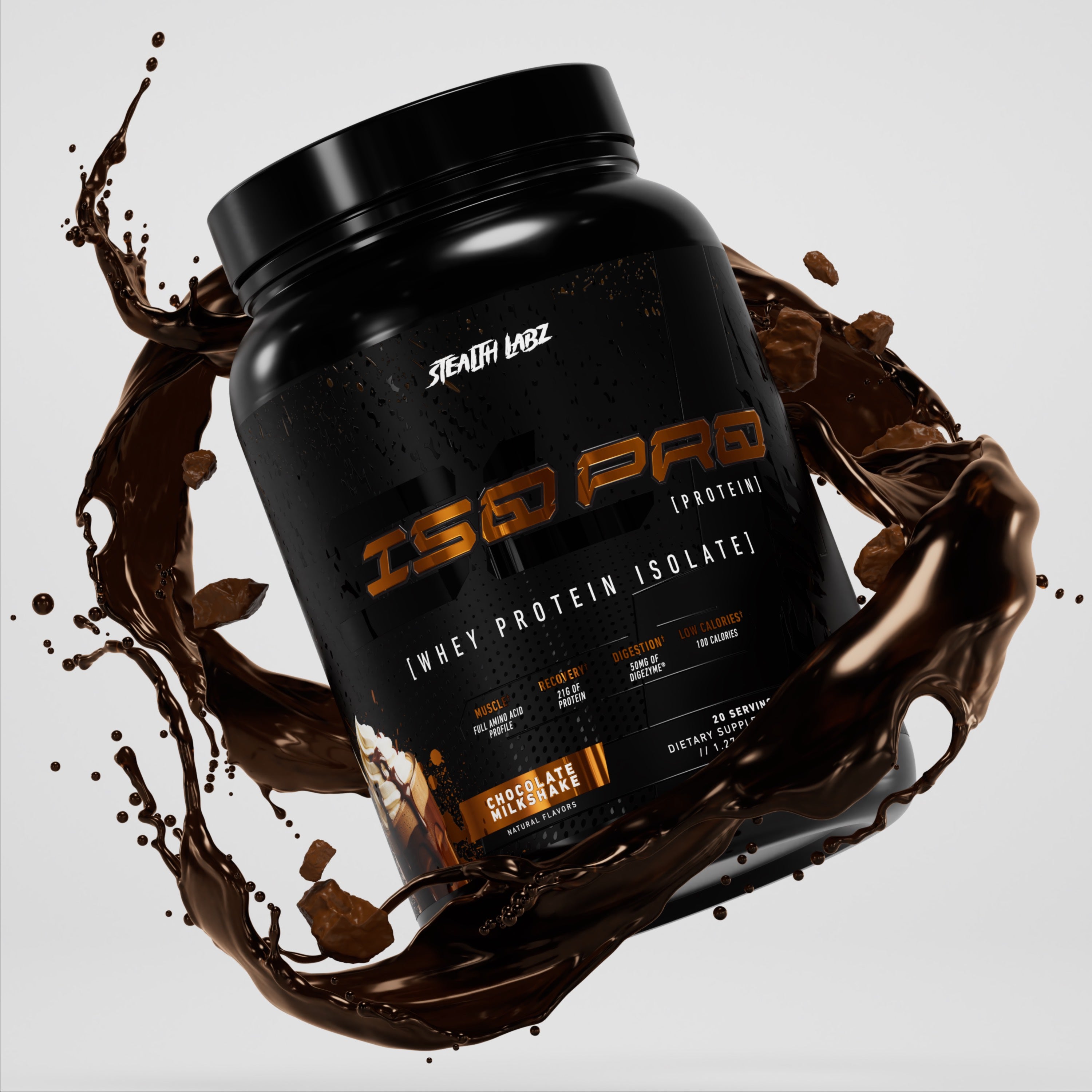
When you're in a calorie deficit, every gram of carbs or fat in your protein source eats into your limited daily calorie budget. Whey isolate is filtered to 90%+ protein with minimal carbs and fat, so you get a high protein hit without spending much of your calorie allowance on the rest of the scoop. Iso Pro delivers around 21g of protein per scoop with under 2g of carbs and under 1g of fat — useful when you're trying to maximize protein per calorie during a cut.
How to Actually Use It for Weight Loss
-
Amount: 20–30g per serving, 1–2 times daily, fitting into your total daily protein target (see our protein needs guide for your specific range).
-
Timing: Post-workout or between meals works well for curbing mid-day hunger — there's no single "magic" time that outperforms the rest.
-
Mixing: Water keeps the calorie count lowest; milk or oats add calories that may or may not fit your deficit.
-
Pairing: Combine with resistance training, not just cardio, so the calorie deficit pulls from fat stores rather than muscle.
What Protein Powder Won't Do
It won't offset a calorie surplus — if your total intake (shakes included) exceeds what you burn, you won't lose weight regardless of the protein source. It also isn't a substitute for whole foods; it's a convenient way to hit a protein target that's genuinely hard to reach from food alone while eating fewer calories overall.
FAQs
Does whey protein isolate actually help you lose fat, or just build muscle?
Neither directly. It helps preserve the muscle you have while you're in a calorie deficit and makes the deficit easier to maintain through satiety — the fat loss itself comes from the deficit, not the protein.
Should I take protein powder on non-training days if I'm cutting?
Yes. Muscle repair and your daily protein target don't pause on rest days, so keeping intake consistent matters more than only supplementing on workout days.
Is whey isolate better than concentrate specifically for weight loss?
Generally yes, because isolate has fewer carbs and fat per gram of protein — which matters more when your total daily calories are limited during a cut.
Will protein shakes make me gain weight if I'm not working out enough?
Only if the added calories push your total intake above what you burn. A protein shake isn't inherently fattening — it follows the same calorie math as any other food.
How much weight can I realistically expect to lose by adding protein to my diet?
Protein alone, without a calorie deficit, won't produce weight loss. Within a well-managed deficit, studies on higher-protein diets generally show better muscle retention and adherence, which supports more consistent fat loss over time — but the deficit itself is what drives the number on the scale.
Related Reading


Leave a comment
This site is protected by hCaptcha and the hCaptcha Privacy Policy and Terms of Service apply.