

What Is Whey Protein Isolate Made Of? Full Breakdown
Whey protein isolate is a highly refined protein powder derived from cow’s milk. During cheese production, milk separates into solid curds and liquid whey. The liquid whey undergoes advanced filtration to remove most fat, lactose (milk sugar), and carbohydrates, resulting in a product that is typically 90% or higher protein by dry weight.
This makes it one of the purest and fastest-absorbing complete protein sources available — ideal for supporting lean muscle growth and post-workout recovery.
Key facts at a glance:
- Primary source: Liquid whey (byproduct of cheese-making from cow’s milk)
- Protein content: ≥90% by weight
- Fat & carbs: Usually <1 g each per serving
- Lactose: Minimal (often <1 g), making it suitable for many with mild lactose sensitivity
- Amino acids: Complete profile including all nine essential amino acids and high levels of leucine (key for muscle protein synthesis)
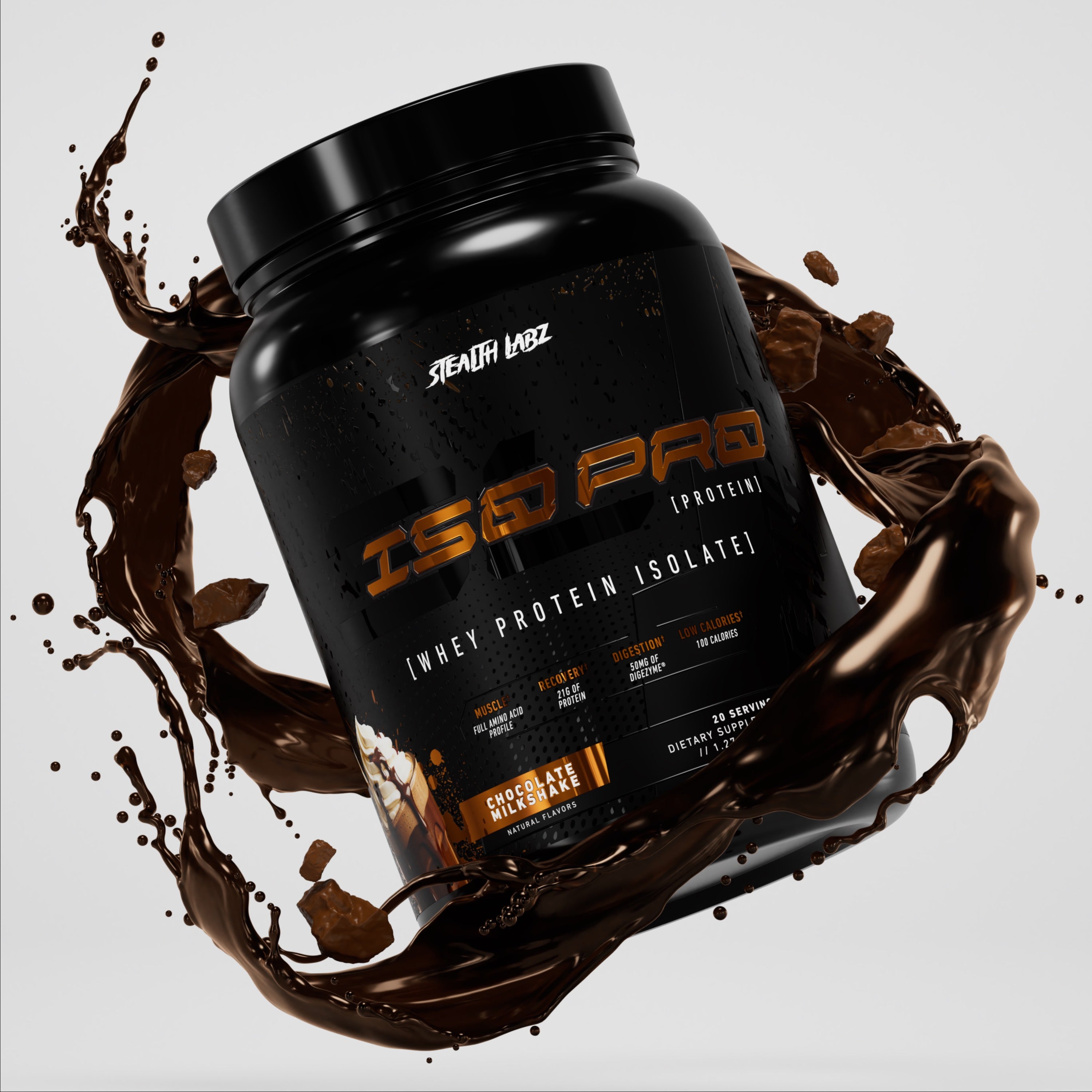
For a clean, high-protein option with added digestive support, see ISO Pro Whey Protein Isolate.

How Whey Protein Isolate Is Made (Production Process)
- Milk is coagulated (using rennet or acid) during cheese production, separating into curds (mostly casein) and liquid whey.
- The liquid whey contains proteins such as beta-lactoglobulin, alpha-lactalbumin, serum albumin, and immunoglobulins, plus residual lactose, fat, and minerals.
- Advanced processing removes non-protein components:
- Membrane filtration (microfiltration/ultrafiltration or cross-flow microfiltration) separates proteins by molecular size.
- Ion exchange selectively binds proteins based on charge for higher purity.
- The concentrated protein is pasteurized and spray-dried into powder.
These steps produce a low-lactose, low-fat powder while retaining the complete amino acid profile. Commercial products may add minor functional ingredients (enzymes, minerals, or emulsifiers) for better digestion and mixability.
Detailed Composition & Nutritional Profile
A typical 25–30 g serving of whey protein isolate delivers:
- Protein: 22–27 g (≈90%+ of the powder)
- Carbohydrates: <1–2 g (mostly residual lactose)
- Fat: <1 g
- Calories: ~100–120
The protein fraction includes:
- Beta-lactoglobulin (most abundant, rich in BCAAs)
- Alpha-lactalbumin
- Bovine serum albumin
- Immunoglobulins
- Glycomacropeptide (in some filtration methods)
It is a complete protein containing all essential amino acids, with especially high leucine content that helps trigger muscle protein synthesis.
Many premium isolates, including ISO Pro, also include digestive enzymes (such as DigeZyme®) and electrolytes/minerals (calcium, magnesium, potassium, sodium) to support absorption and muscle function.
Additional Ingredients in Commercial Products
While pure whey protein isolate is primarily protein, many brands enhance their products with additional ingredients to improve functionality, taste, or nutritional value. For instance, Iso Pro by Stealth Labz includes:
- DigeZyme® Multi-Enzyme Complex (50mg per serving): Contains enzymes like amylase (for carbohydrate digestion), protease (for protein breakdown), lipase (for fat digestion), cellulase (for fiber), and lactase (for lactose), aiding nutrient absorption and reducing digestive discomfort.
-
Essential Minerals:
- Calcium (120mg): Supports muscle contraction and bone health.
- Phosphorus (60mg): Enhances energy production.
- Magnesium (30mg): Helps relieve muscle cramps and speeds recovery.
- Sodium (350mg): Maintains hydration and electrolyte balance.
- Potassium (170mg): Works with sodium to support muscle function and reduce cramps.
These additions make Iso Pro particularly appealing for those seeking a comprehensive supplement for muscle growth and recovery. Other brands may include flavorings, sweeteners (like sucralose), or emulsifiers (like lecithin) to improve taste and mixability.
Benefits for Muscle Growth & Recovery
Because of its purity and rapid digestion, whey protein isolate is widely used by athletes and lifters for:
- Fast delivery of amino acids after training
- Supporting lean muscle gains with minimal extra calories
- Easier digestion for those sensitive to higher-lactose concentrates
- Convenient way to hit daily protein targets
Compare isolate vs concentrate in detail here: Whey Isolate vs Whey Concentrate: Which Builds More Muscle?
For optimal muscle-building results, pair a quality isolate with the rest of a well-rounded stack — explore the Muscle Building Stack.
Considerations
- Higher cost than concentrate due to extra processing
- Still derived from milk (not suitable for dairy allergies or strict vegans)
- Check labels for exact lactose content if highly sensitive
- Sodium levels can vary by brand
Key Takeaways
Whey protein isolate is simply milk whey that has been filtered to remove most fat and lactose, leaving a high-protein powder (≥90%) rich in essential amino acids. Its clean macros and fast absorption make it a preferred choice for muscle recovery and lean gains.
Ready to use a pure isolate? Start with ISO Pro Whey Protein Isolate or build a complete routine with the Muscle Building Stack. For more on timing and daily needs, read How Much Protein Do You Need to Build Muscle? and When to Drink Protein Shakes for Muscle Gain.
FAQs
What is whey protein isolate made of?
Whey protein isolate is made from the liquid whey leftover after cheese production. This whey is filtered (via membrane filtration or ion exchange) to remove most fat, lactose, and carbs, leaving a powder that is at least 90% protein by weight. It contains the natural whey proteins (beta-lactoglobulin, alpha-lactalbumin, etc.) and all essential amino acids.
How is whey protein isolate different from whey concentrate?
Concentrate is typically 70–80% protein and retains more lactose, fat, and carbs. Isolate undergoes extra filtration to reach 90%+ protein with very low lactose and fat. The amino acid profile is essentially the same; the main differences are purity, macros, and digestibility.
Is whey protein isolate lactose-free?
It is very low in lactose (often <1 g per serving) but not always completely lactose-free. Many people with mild lactose sensitivity tolerate it well. Those with severe intolerance or milk allergy should check the specific product label or choose alternatives.
What proteins and amino acids are in whey isolate?
It contains beta-lactoglobulin, alpha-lactalbumin, serum albumin, immunoglobulins, and (in some processes) glycomacropeptide. It is a complete protein with all nine essential amino acids and high levels of BCAAs, especially leucine.
Does pure whey protein isolate contain additives?
Unflavored pure isolate is often just whey protein isolate (sometimes with a small amount of lecithin for mixability). Flavored commercial products may include natural or artificial flavors, sweeteners, enzymes, or minerals. Always read the ingredient list.
Is whey protein isolate better for building muscle?
It provides more protein per scoop with fewer calories from fat/carbs and digests quickly, which is useful post-workout or when tracking macros closely. Total daily protein intake matters more than the form, but isolate is preferred by many for lean gains and easier digestion.
Can people with lactose intolerance take whey protein isolate?
Many can, thanks to the low lactose content, especially when the product includes lactase enzymes. Start with a small serving and monitor tolerance. It is not suitable for those with a true milk protein allergy
A recent article, New Research Explores: Does Whey Protein Isolate Reduce Belly Fat?, looked into exactly that. And the findings are worth paying attention to.



Leave a comment
This site is protected by hCaptcha and the hCaptcha Privacy Policy and Terms of Service apply.